
UAE Minister Highlights Global Health and Environmental Risks from Iranian Attacks at One Health Summit
Here's what it means for you.
The ongoing conflict in the Gulf could disrupt your access to essential goods and services, impacting both health and economic stability.
Why it matters
The Iranian attacks threaten interconnected global supply chains, which could lead to increased prices and reduced availability of food and healthcare products worldwide.
What happened (in 30 seconds)
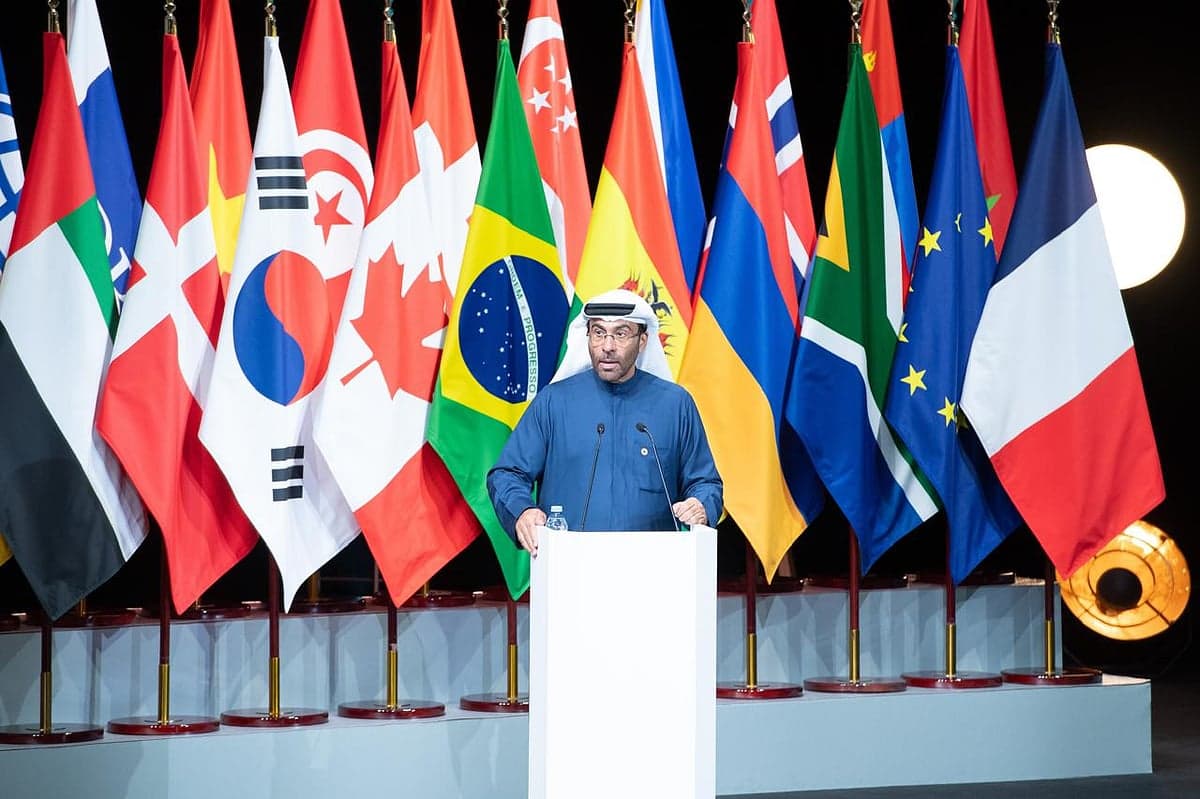
- UAE Minister Ahmed bin Ali Al Sayegh warned at the One Health Summit of the extensive impacts of Iranian attacks on global health and food systems.
- Over 2,700 drones and missiles have been launched by Iran since February 28, 2026, damaging infrastructure and ecosystems.
- UAE air defenses intercepted numerous attacks, but fatalities and injuries continue to rise, prompting international concern.
The context you actually need
- The attacks began as a response to U.S. strikes on Iranian military targets, escalating tensions in the region.
- The One Health Summit aimed to address interconnected health, environmental, and food security issues, underscoring the global ramifications of regional conflicts.
- Dubai residents have already faced significant disruptions, including airport closures and rising food prices, highlighting the immediate local impact of these geopolitical tensions.
What's really happening
The recent Iranian strikes on the UAE represent a significant escalation in a long-standing regional conflict, rooted in a complex web of historical grievances, geopolitical maneuvering, and economic sanctions. Since February 28, 2026, Iran has launched over 2,700 drones and missiles targeting both military and civilian infrastructure in the UAE, particularly in major cities like Abu Dhabi and Dubai. This aggressive military posture is viewed by the UAE as an unprovoked act of terrorism and economic warfare, exacerbating already strained relations in the Gulf region.
The One Health Summit, held in Lyon, France, served as a critical platform for Minister Al Sayegh to articulate the far-reaching implications of these attacks. He emphasized that the assaults are not merely a regional issue but a global health crisis, threatening interconnected systems that underpin food security, environmental health, and public safety. The environmental degradation caused by missile strikes—such as air pollution from fires and destruction of ecosystems—poses direct health risks not just to those in the UAE but to populations worldwide.
As the UAE continues to intercept incoming threats, the cumulative toll of these attacks has already resulted in fatalities and injuries, further straining public resources and healthcare systems. The UAE's response has included airspace restrictions, embassy closures, and heightened security measures. Economically, the conflict has led to disruptions in oil production and food supply chains, with significant implications for global markets. For instance, the shutdown of the Ruwais refinery halted production of 922,000 barrels per day, contributing to rising energy prices and food security alerts globally.
The interconnectedness of today's global economy means that disruptions in one region can ripple across the world, affecting everything from energy prices to food availability. As the UAE endorses the One Health and Beyond Declaration, the call for integrated prevention strategies becomes increasingly urgent, highlighting the need for international cooperation to mitigate the effects of such conflicts on global health and environmental systems.
Who feels it first (and how)
- Residents of Dubai: Experiencing immediate disruptions in daily life, including airport closures and increased food prices.
- Healthcare providers: Facing heightened demand for services due to injuries from attacks and environmental health issues.
- Global supply chain managers: Encountering challenges in sourcing food and energy products, leading to potential shortages and price hikes.
- Tourism sector: Suffering declines in visitor numbers due to safety concerns, impacting local economies.
What to watch next
- International diplomatic efforts: Watch for potential ceasefire negotiations or peace talks that could stabilize the region and restore supply chains.
- Market reactions: Monitor fluctuations in global energy prices and food costs as the conflict evolves, which could directly impact your wallet.
- Health advisories: Keep an eye on public health announcements regarding air quality and safety measures in affected regions, as these could influence travel and trade.
The Iranian attacks are ongoing and have already caused fatalities and injuries.
Continued disruptions in global supply chains, particularly in food and energy sectors, as the conflict persists.
The long-term geopolitical ramifications and potential for escalation or de-escalation of military actions in the region.
Frequently Asked Questions
- Why it matters?
- The Iranian attacks threaten interconnected global supply chains, which could lead to increased prices and reduced availability of food and healthcare products worldwide.
- What happened (in 30 seconds)?
- UAE Minister Ahmed bin Ali Al Sayegh warned at the One Health Summit of the extensive impacts of Iranian attacks on global health and food systems. Over 2,700 drones and missiles have been launched by Iran since February 28, 2026, damaging infrastructure and ecosystems. UAE air defenses intercepted numerous attacks, but fatalities and injuries continue to rise, prompting international concern.
- What's really happening?
- The recent Iranian strikes on the UAE represent a significant escalation in a long-standing regional conflict, rooted in a complex web of historical grievances, geopolitical maneuvering, and economic sanctions. Since February 28, 2026, Iran has launched over 2,700 drones and missiles targeting both military and civilian infrastructure in the UAE, particularly in major cities like Abu Dhabi and Dubai. This aggressive military posture is viewed by the UAE as an unprovoked act of terrorism and econ
- Who feels it first (and how)?
- Residents of Dubai: Experiencing immediate disruptions in daily life, including airport closures and increased food prices. Healthcare providers: Facing heightened demand for services due to injuries from attacks and environmental health issues. Global supply chain managers: Encountering challenges in sourcing food and energy products, leading to potential shortages and price hikes. Tourism sector: Suffering declines in visitor numbers due to safety concerns, impacting local economies.
- What to watch next?
- International diplomatic efforts: Watch for potential ceasefire negotiations or peace talks that could stabilize the region and restore supply chains. Market reactions: Monitor fluctuations in global energy prices and food costs as the conflict evolves, which could directly impact your wallet. Health advisories: Keep an eye on public health announcements regarding air quality and safety measures in affected regions, as these could influence travel and trade.
Arabic-language local coverage focused on UAE domestic issues, civic affairs, and community reporting.
"Emarat Al Youm local coverage emphasizes UAE institutions, public services, and community-level developments."
— A47 Editor
الإمارات تُحذّر من تداعيات الهجمات الإيرانية على الصحة العالمية والبيئة والغذاء الإمارات تُحذّر من تداعيات الهجمات الإيرانية على الصحة العالمية والبيئة والغذاء
The United Arab Emirates issued a clear warning regarding the long-term consequences of illegal and provocative regional attacks, specifically addressing Iranian actions, during its address to international leaders at the One Health Global Summit in ...
UAE-based newspaper covering Gulf politics, society, and international developments.
"Gulf News is one of the UAE’s most prominent English-language publications."
— A47 Editor
UAE warns of impact of Iranian attacks on global health, environment, food systems
The United Arab Emirates (UAE) has issued a warning regarding the potential impacts of Iranian attacks on global health, the environment, and food systems, highlighting the escalating military tensions in the Gulf region. This statement comes amid on...
Arabic-language UAE newspaper coverage focused on domestic affairs, public institutions, business, society, and regional developments.
"Al Khaleej coverage generally reflects a mainstream UAE editorial lens with strong attention to public affairs, institutions, and regional developments."
— A47 Editor
الإمارات تحذر من تداعيات الاعتداءات الإيرانية على الصحة والبيئة والأمن الغذائي
The United Arab Emirates has issued a clear warning regarding the long-term repercussions of ongoing illegal and unjust regional attacks, specifically highlighting the Iranian aggressions that threaten public health, the environment, and food securit...