
Tisza Party Wins Supermajority in Hungary, Ending Orbán's 16-Year Rule
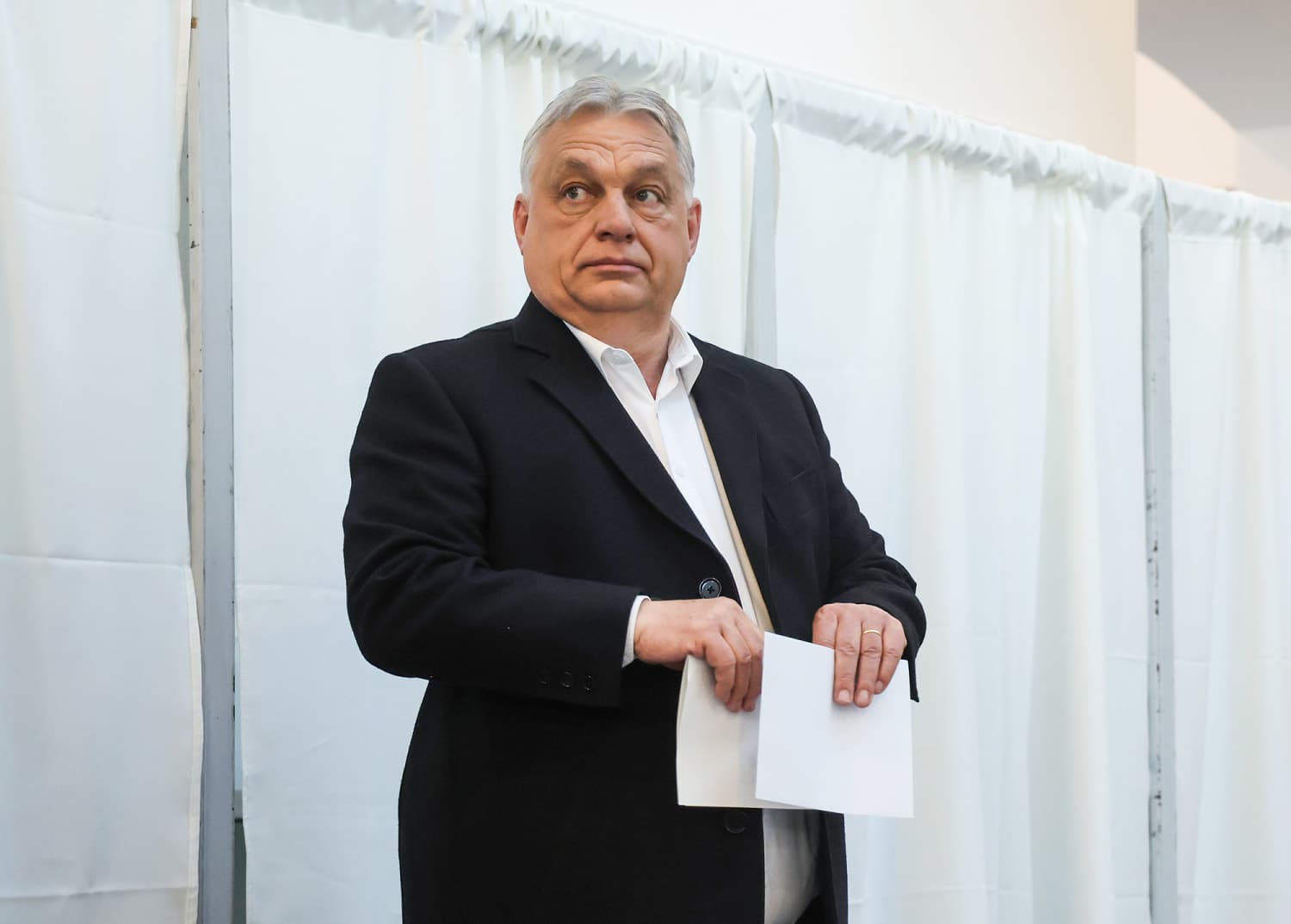
Here's what it means for you.
A new era in Hungary may reshape European energy dynamics and influence economic stability across the continent.
The Vibe
Hungary's political landscape has dramatically shifted, with the Tisza Party ending Viktor Orbán's 16-year rule amid record voter turnout.
What it signals
This election reflects a broader discontent with authoritarian governance and a pivot towards pro-European values. As Hungary seeks to reintegrate into the EU fold, it hints at a potential realignment of power that could affect investment flows and diplomatic relations across Europe.
Why it's happening now
1. A surge in public dissatisfaction: Economic stagnation, corruption scandals, and crumbling public services galvanized voters, leading to a historic turnout of 79.46%. 2. The rise of a unified opposition: Péter Magyar's Tisza Party emerged as a credible alternative, consolidating fragmented opposition forces and appealing to a pro-European sentiment. 3. Geopolitical pressures: Orbán's pro-Russian stance faced increasing scrutiny amid the Ukraine conflict, prompting voters to seek a government aligned with EU values and interests.
Who it's for (and who it leaves out)
The core beneficiaries are pro-European Hungarians and businesses looking for stability and investment opportunities. Conversely, those aligned with Orbán's policies and the pro-Russian faction may find themselves sidelined in this new political climate.
What to watch next
1. Economic reforms: Watch for Tisza's proposed anti-corruption measures and judicial independence initiatives, which could unlock EU funds and stimulate growth. 2. Energy policy shifts: Monitor Hungary's approach to energy imports and EU relations, as a move away from Russian dependency could stabilize regional markets.
Visual Directive: A bold graphic illustrating the shift in Hungary's political landscape with a focus on the Tisza Party's supermajority and its implications for EU relations.
Tisza Party holds a supermajority in Hungary's parliament.
Economic liberalization and EU fund releases are anticipated under the new government.
The long-term impact on Hungary's foreign policy and its relationship with Russia remains uncertain.
Pan-Arab news coverage spanning politics, business, sports, and regional affairs.
"Asharq Al-Awsat reflects a broad Arab editorial perspective with strong attention to regional geopolitics."
— A47 Editor
انتخابات في المجر قد تطيح بأوربان أو تمنحه ولاية خامسة
Hungarian voters began casting their ballots on Sunday in legislative elections that could potentially end the 16-year rule of Prime Minister Viktor Orbán. The elections are seen as a critical moment for the country's political landscape, with signif...
Comprehensive coverage of global events, politics, and international issues.
"NBC News is a mainstream outlet known for comprehensive national and international coverage with a centrist to slightly left-leaning editorial tone."
— A47 Editor
After 16 years in power, Putin's closest friend in Europe faces a pivotal election
Hungarian Prime Minister Viktor Orbán is facing a pivotal election after 16 years in power, with significant challenges from opposition leader Péter Magyar and declining support in the polls. This election is critical for Orbán, who has been a key fi...
European current affairs, EU politics, and regional developments.
"France 24 is viewed as a globally focused outlet with balanced coverage and a European perspective."
— A47 Editor
Hungary: Is Viktor Orban Russia's 'Trojan horse' in the EU?
Hungarian Prime Minister Viktor Orban is facing scrutiny over his close ties with Russia, particularly following a phone call where he reportedly told President Vladimir Putin, 'I am at your service.' This relationship raises concerns as Hungary appr...