
U.S. Senate Votes on Resolution to Limit Trump's Military Powers Amid Iran Conflict
Here's what it means for you.
As geopolitical tensions escalate, your energy costs and economic stability may be directly impacted by U.S. military actions abroad.
Why it matters
The ongoing conflict in Iran is straining global oil supplies, which could lead to increased prices and economic instability worldwide.
What happened (in 30 seconds)
- On April 15, 2026, the U.S. Senate voted on a Democratic resolution aimed at restricting President Trump's military powers in the Iran conflict.
- Senate Minority Leader Chuck Schumer criticized Republicans for bypassing Congress after 45 days of conflict initiated without legislative approval.
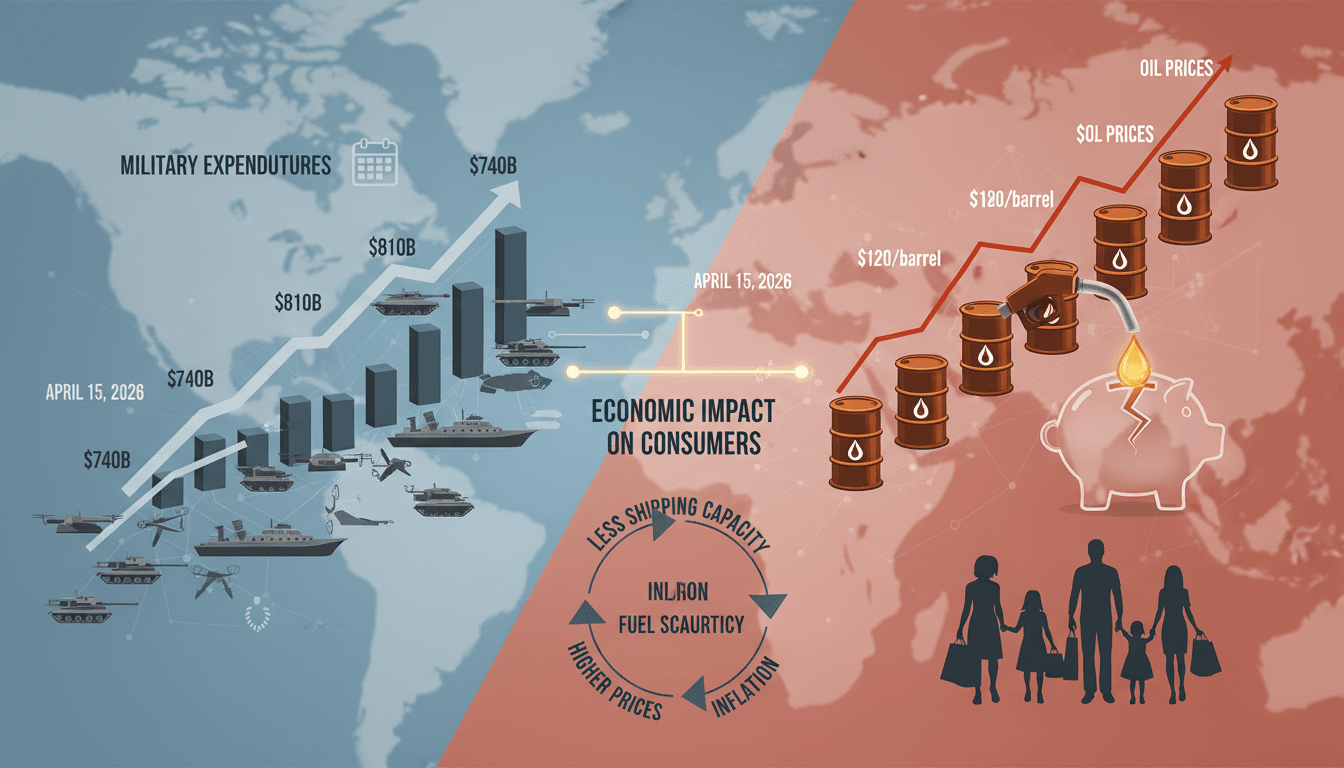
- Oil prices surged past $120 per barrel, affecting domestic fuel costs and global commodities.
The context you actually need
- The 2026 Iran war began on February 28 with U.S.-Israeli airstrikes targeting Iranian military and nuclear sites, escalating tensions in the region.
- Democrats have repeatedly invoked the War Powers Resolution to demand congressional approval for military actions, reflecting concerns over executive overreach.
- Economic fallout from the conflict includes disrupted oil shipments through the Strait of Hormuz, impacting global energy prices and local economies, particularly in oil-dependent regions like Dubai.
What's really happening
The U.S. military engagement in Iran, initiated under Operation Epic Fury, has sparked a significant political and economic response both domestically and internationally. The conflict began with airstrikes aimed at destabilizing the Iranian regime, which has led to retaliatory actions from Iran, including missile strikes and a blockade of its ports. This escalation has prompted Democrats to challenge President Trump's authority to conduct military operations without congressional approval, citing the War Powers Resolution as a necessary check on executive power.
The Senate's recent vote reflects a broader concern among Democrats about the implications of prolonged military engagement. With the conflict now entering its third month, the urgency to rein in presidential war powers has intensified, especially as the economic ramifications of the war become more pronounced. The estimated military expenditure of $11.3 billion for just the first six days of conflict underscores the financial burden of the war, which is likely to escalate further if hostilities continue.
As oil prices soar due to disruptions in the Strait of Hormuz, the economic impact is felt globally. In Dubai, for instance, fuel prices have surged by up to 33%, directly affecting transportation and living costs for residents. This economic strain is compounded by the fact that the U.S. gasoline prices have risen by over $1 per gallon, further burdening consumers. The Democrats' push to limit Trump's military powers is not just a political maneuver; it is a response to the tangible economic pressures that military actions can impose on everyday citizens.
The ongoing conflict and the political maneuvering surrounding it highlight a critical tension in U.S. governance: the balance of power between the executive and legislative branches during wartime. As negotiations for a ceasefire continue to falter, the likelihood of further military escalation remains high, which could lead to even greater economic instability. The Democrats' insistence on transparency and accountability in military decisions reflects a growing awareness of the interconnectedness of foreign policy and domestic economic health.
Who feels it first (and how)
- Consumers in the U.S.: Rising gasoline prices and increased costs of goods due to higher transportation expenses.
- Residents of Dubai: Increased fuel prices affecting daily living costs and transportation.
- Investors in energy markets: Volatility in oil prices impacting investment strategies and market stability.
What to watch next
- Future Senate votes on war powers resolutions: These will indicate the level of bipartisan support for limiting presidential military authority.
- Oil price fluctuations: Continued disruptions in the Strait of Hormuz could lead to further price increases, affecting global markets.
- Negotiation outcomes with Iran: Any progress or setbacks in diplomatic talks could significantly alter the conflict's trajectory and economic implications.
The U.S. military is engaged in ongoing operations in Iran, with significant financial implications.
Oil prices will remain volatile as the conflict continues, impacting global economies.
The long-term effects of the Democrats' legislative efforts on U.S. foreign policy and military engagement.
Frequently Asked Questions
- Why it matters?
- The ongoing conflict in Iran is straining global oil supplies, which could lead to increased prices and economic instability worldwide.
- What happened (in 30 seconds)?
- On April 15, 2026, the U.S. Senate voted on a Democratic resolution aimed at restricting President Trump's military powers in the Iran conflict. Senate Minority Leader Chuck Schumer criticized Republicans for bypassing Congress after 45 days of conflict initiated without legislative approval. Oil prices surged past $120 per barrel, affecting domestic fuel costs and global commodities.
- What's really happening?
- The U.S. military engagement in Iran, initiated under Operation Epic Fury, has sparked a significant political and economic response both domestically and internationally. The conflict began with airstrikes aimed at destabilizing the Iranian regime, which has led to retaliatory actions from Iran, including missile strikes and a blockade of its ports. This escalation has prompted Democrats to challenge President Trump's authority to conduct military operations without congressional approval, citi
- Who feels it first (and how)?
- Consumers in the U.S.: Rising gasoline prices and increased costs of goods due to higher transportation expenses. Residents of Dubai: Increased fuel prices affecting daily living costs and transportation. Investors in energy markets: Volatility in oil prices impacting investment strategies and market stability.
- What to watch next?
- Future Senate votes on war powers resolutions: These will indicate the level of bipartisan support for limiting presidential military authority. Oil price fluctuations: Continued disruptions in the Strait of Hormuz could lead to further price increases, affecting global markets. Negotiation outcomes with Iran: Any progress or setbacks in diplomatic talks could significantly alter the conflict's trajectory and economic implications.
Arabic-language UAE newspaper coverage focused on domestic affairs, public institutions, business, society, and regional developments.
"Al Khaleej coverage generally reflects a mainstream UAE editorial lens with strong attention to public affairs, institutions, and regional developments."
— A47 Editor
الديمقراطيون يواصلون السعي لكبح سلطات ترامب في حرب إيران
The U.S. Senate is set to vote on Wednesday on the latest effort led by Democratic members to limit President Donald Trump's war powers, as party leaders pledged on Tuesday to continue introducing such measures as long as the conflict with Iran persi...
Regional coverage and analysis focused on politics, diplomacy, and business across the Middle East.
"Al-Monitor is known for analytical reporting on Middle East politics and policy developments."
— A47 Editor
US Democrats will try, and try again, to rein in Trump's Iran war powers
The U.S. Senate is set to vote on a Democratic-led resolution aimed at limiting President Donald Trump's war powers regarding Iran, with party leaders indicating they will continue to pursue such measures as long as military actions persist. Democrat...
Conservative-leaning political and national coverage.
"The Washington Times is a conservative-leaning newspaper known for its political coverage and advocacy of right-of-center viewpoints."
— A47 Editor
Democrats vow to flood Senate floor with war powers resolutions 'every week'
Senate Minority Leader Charles E. Schumer is spearheading an initiative among Democrats to introduce multiple war powers resolutions in the Senate, aiming to compel President Trump to seek congressional approval for any further military actions in Ir...