
Trump Issues Warning to Iran Over Proposed Shipping Tolls in Strait of Hormuz
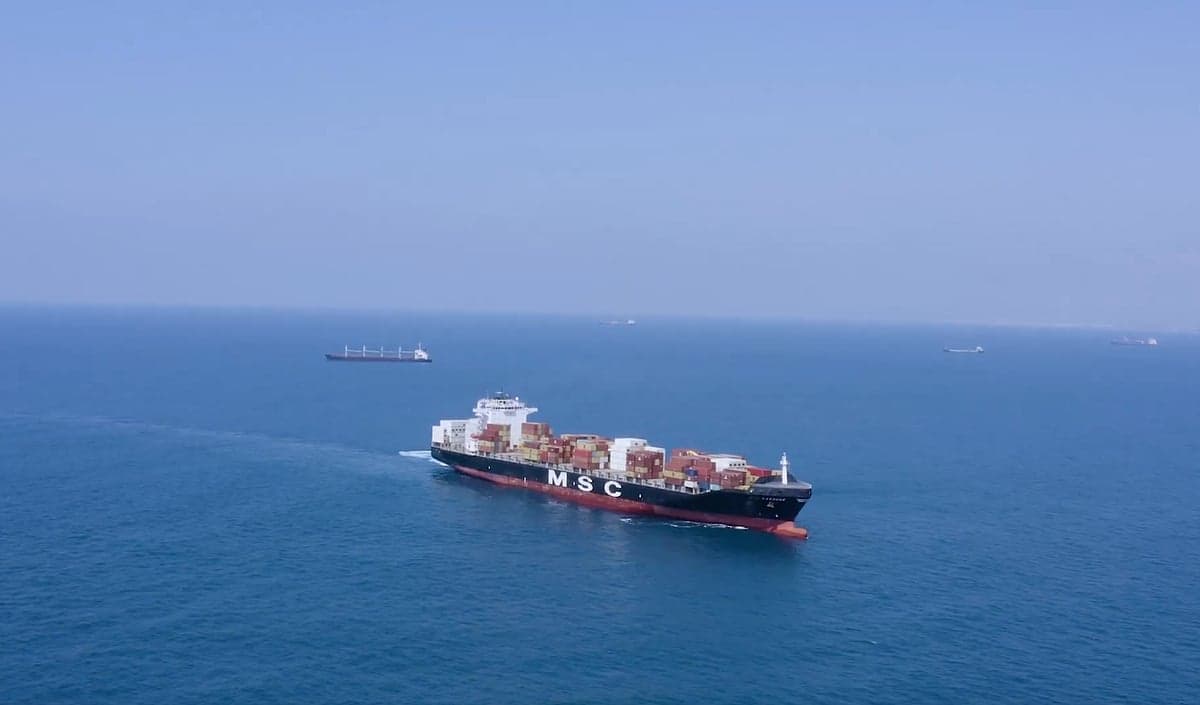
Here's what it means for you.
If you're in the energy sector or rely on global shipping, this situation could directly impact your costs and operations.
Why it matters
The Strait of Hormuz is a critical chokepoint for global oil supply, and any disruption can lead to significant economic repercussions worldwide.
What happened (in 30 seconds)
- On April 9, 2026, U.S. President Donald Trump warned Iran against imposing toll fees on commercial vessels in the Strait of Hormuz.
- Iran proposed tolls of up to $2 million per vessel or $1 per barrel, citing security and reparations, amid a fragile ceasefire.
- Global oil prices surged above $100 per barrel as governments opposed the tolls, emphasizing the need for toll-free navigation.
The context you actually need
- The Strait of Hormuz is a 21-mile-wide passage critical for approximately 20% of global seaborne oil and LNG exports, making it vital for energy security.
- Tensions escalated in March 2026 due to conflicts involving the U.S., Israel, and Iran, leading to disruptions and threats that spiked global oil prices.
- The recent ceasefire announced on April 8, 2026, aimed to ensure safe passage but was complicated by Iran's push for toll legislation, drawing international condemnation.
What's really happening
The Strait of Hormuz is a linchpin in the global energy market, facilitating the transit of around 20 million barrels of oil daily. The recent warning from President Trump comes in the wake of heightened tensions between the U.S. and Iran, which have been exacerbated by military conflicts and diplomatic disputes. Following the U.S.-Israel-Iran conflict in March 2026, Iranian forces threatened shipping routes, leading to partial closures and increased military presence in the region.
In response to the fragile ceasefire established on April 8, Iran's proposal to impose tolls on vessels transiting the strait has raised alarm among global stakeholders. The tolls, framed as reparations for security provision, could amount to $2 million per vessel or $1 per barrel. This move is perceived as an attempt by Iran to leverage its strategic position to generate revenue while simultaneously asserting control over a critical maritime route.
The international community, including the EU and Greece, has firmly rejected Iran's toll proposal, insisting on the principle of toll-free navigation under the United Nations Convention on the Law of the Sea (UNCLOS). This stance reflects a broader concern about the implications of such tolls on global energy prices and supply chains. The immediate market reaction has been significant, with oil prices surging above $100 per barrel, reflecting the uncertainty surrounding shipping routes and energy supply.
As the situation unfolds, the U.S. administration has prioritized the reopening of the Strait of Hormuz without tolls, with Trump suggesting potential U.S.-controlled tolls as an alternative. This could lead to a complex negotiation landscape, where both Iran and the U.S. may seek to assert their interests while navigating international opposition. The dynamics of this situation will likely influence global oil markets, shipping costs, and energy security for the foreseeable future.
Who feels it first (and how)
- Energy companies: Increased operational costs due to potential toll fees and higher oil prices.
- Shipping firms: Disruptions in transit schedules and increased shipping costs affecting profitability.
- Consumers: Higher gasoline prices and transportation costs, particularly in regions reliant on oil imports.
- Governments: Pressure to manage rising energy costs and potential economic fallout from increased oil prices.
What to watch next
- Iran's legislative progress: Monitor developments regarding the proposed toll legislation and its potential implementation, as this will directly impact shipping operations.
- Global oil prices: Keep an eye on fluctuations in oil prices, which may indicate market reactions to ongoing tensions and shipping disruptions.
- Diplomatic negotiations: Watch for any shifts in U.S.-Iran relations and international diplomatic efforts aimed at resolving the toll dispute, as these could influence regional stability.
The Strait of Hormuz is critical for global oil transit, handling approximately 20% of seaborne oil.
Continued international opposition to Iran's toll proposal, which may lead to further diplomatic tensions.
The long-term impact on global oil prices and shipping routes if tolls are implemented.
Frequently Asked Questions
- Why it matters?
- The Strait of Hormuz is a critical chokepoint for global oil supply, and any disruption can lead to significant economic repercussions worldwide.
- What happened (in 30 seconds)?
- On April 9, 2026, U.S. President Donald Trump warned Iran against imposing toll fees on commercial vessels in the Strait of Hormuz. Iran proposed tolls of up to $2 million per vessel or $1 per barrel, citing security and reparations, amid a fragile ceasefire. Global oil prices surged above $100 per barrel as governments opposed the tolls, emphasizing the need for toll-free navigation.
- What's really happening?
- The Strait of Hormuz is a linchpin in the global energy market, facilitating the transit of around 20 million barrels of oil daily. The recent warning from President Trump comes in the wake of heightened tensions between the U.S. and Iran, which have been exacerbated by military conflicts and diplomatic disputes. Following the U.S.-Israel-Iran conflict in March 2026, Iranian forces threatened shipping routes, leading to partial closures and increased military presence in the region. In respons
- Who feels it first (and how)?
- Energy companies: Increased operational costs due to potential toll fees and higher oil prices. Shipping firms: Disruptions in transit schedules and increased shipping costs affecting profitability. Consumers: Higher gasoline prices and transportation costs, particularly in regions reliant on oil imports. Governments: Pressure to manage rising energy costs and potential economic fallout from increased oil prices.
- What to watch next?
- Iran's legislative progress: Monitor developments regarding the proposed toll legislation and its potential implementation, as this will directly impact shipping operations. Global oil prices: Keep an eye on fluctuations in oil prices, which may indicate market reactions to ongoing tensions and shipping disruptions. Diplomatic negotiations: Watch for any shifts in U.S.-Iran relations and international diplomatic efforts aimed at resolving the toll dispute, as these could influence regional s
UAE-based newspaper covering Gulf politics, society, and international developments.
"Gulf News is one of the UAE’s most prominent English-language publications."
— A47 Editor
Trump cautions Iran against imposing Hormuz 'toll fees' on commercial ships
U.S. President Donald Trump has cautioned Iran against imposing toll fees on commercial ships passing through the Strait of Hormuz, a vital maritime route for global oil transport. This warning follows reports of Iran's proposal to charge fees, which...
A curated Gulf News feed featuring major stories across news, business, opinion, and lifestyle.
"Gulf News is a major UAE newspaper whose featured stories feed reflects a broad editorial mix shaped for a Gulf audience."
— A47 Editor
Trump cautions Iran against imposing Hormuz 'toll fees' on commercial ships
U.S. President Donald Trump has cautioned Iran against imposing toll fees on commercial ships passing through the Strait of Hormuz, a vital maritime route for global oil transport. This warning follows reports of Iran's proposal to charge fees, which...
Arabic-language political and world news coverage for UAE readers.
"Emarat Al Youm world coverage usually presents international developments through a UAE and Arab audience lens."
— A47 Editor
ترامب: على إيران عدم فرض رسوم على ناقلات النفط التي تعبر مضيق هرمز ترامب: على إيران عدم فرض رسوم على ناقلات النفط التي تعبر مضيق هرمز
U.S. President Donald Trump stated that Iran should not impose fees on oil tankers passing through the Strait of Hormuz. This remark highlights ongoing tensions in the region regarding oil transportation and trade routes.
UAE-based English-language newspaper covering regional politics, economics, and global affairs.
"The National reflects Emirati policy perspectives while maintaining international editorial standards."
— A47 Editor
UK campaigns for free navigation in Strait of Hormuz as Trump calls for tolls
The UK is actively campaigning for toll-free navigation through the Strait of Hormuz, a crucial maritime route for global oil and gas transport, in response to U.S. President Donald Trump's suggestion to impose tolls on vessels passing through. This ...