
U.S. State Department Revokes Green Cards of Iranian Nationals Linked to Tehran Regime
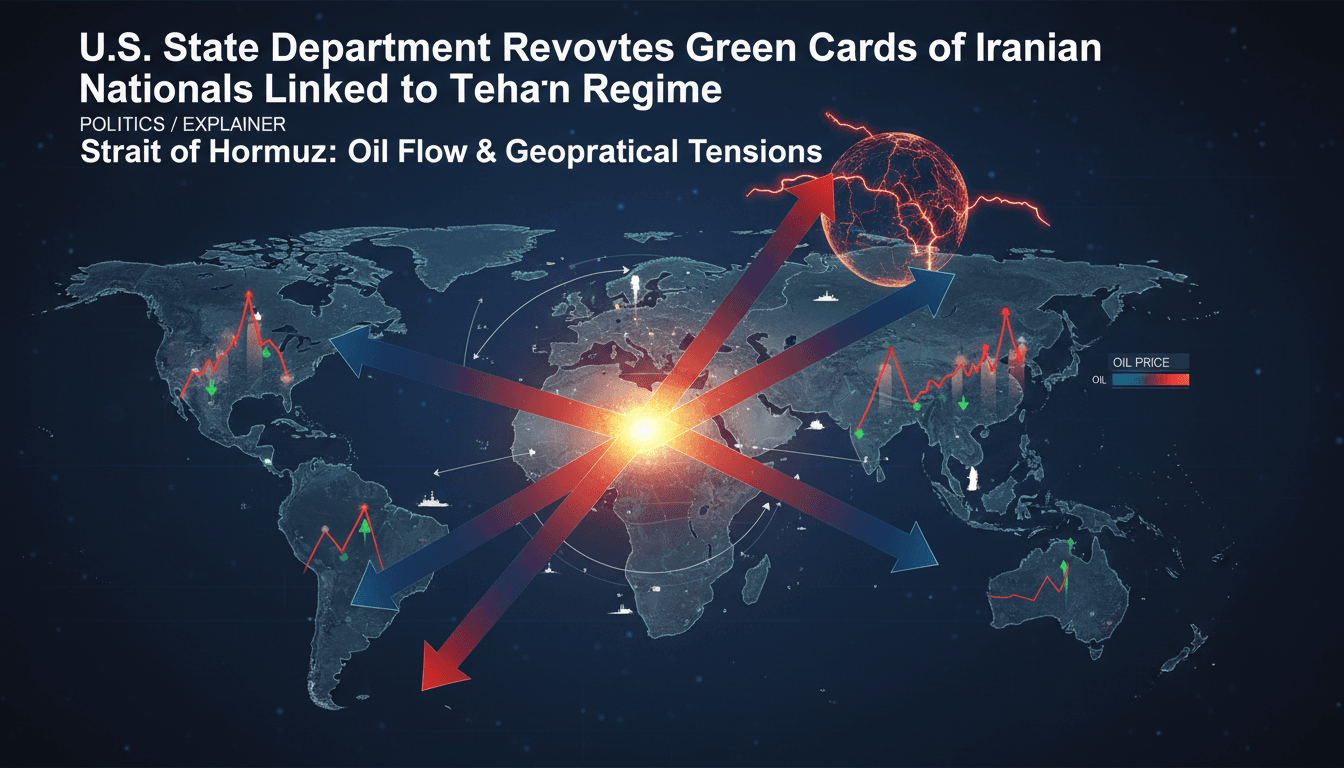
Here's what it means for you.
If you have ties to the Iranian community or work in sectors affected by global oil supply, this situation could impact your professional landscape.
Why it matters
This action signals a tightening of U.S. immigration policy amid escalating geopolitical tensions, potentially affecting global markets and oil prices.
What happened (in 30 seconds)
- On April 11, 2026: U.S. federal agents arrested three Iranian nationals after their green cards were revoked due to familial ties to the Iranian regime.
- This is part of a broader campaign: The Trump administration is intensifying scrutiny of Iranian nationals amid ongoing military operations against Iran.
- The backdrop includes: A fragile ceasefire in a U.S.-Israel war against Iran that began in late February 2026, with significant implications for global oil supply.
The context you actually need
- Tensions escalated: Military operations against Iran began in late February 2026, disrupting the Strait of Hormuz, a critical chokepoint for global oil supply.
- Historical precedents: The current actions echo past U.S. responses to Iranian provocations, including the 2020 drone strike that killed Qasem Soleimani.
- Policy shifts: The Trump administration has ended the diversity visa program and is now focusing on national security risks associated with Iranian permanent residents.
What's really happening
The recent revocation of green cards for Iranian nationals affiliated with the Tehran regime is a strategic move by the U.S. government, reflecting heightened national security concerns amid escalating military conflicts. The U.S. and Israel initiated military operations against Iran in late February 2026, aiming to curb Iranian influence in the region, particularly concerning the Strait of Hormuz, which is crucial for global oil transport. Approximately 20% of the world's oil supply passes through this chokepoint, making it a focal point of geopolitical tensions.
The revocation of residency status for individuals like Seyed Eissa Hashemi and his family, linked to the Iranian regime, underscores a broader strategy to deter support for what the U.S. labels as a terrorist regime. The Trump administration's policies have intensified scrutiny on Iranian nationals, particularly following the termination of the diversity visa program, which previously allowed for more lenient immigration pathways. This move is not just about individual cases; it reflects a systematic approach to immigration enforcement that prioritizes national security over humanitarian considerations.
The implications of these actions extend beyond the immediate arrests. They signal a potential shift in U.S. immigration policy that could affect thousands of Iranian nationals living in the U.S. and abroad. Moreover, the geopolitical landscape is shifting, with the U.S. taking a firmer stance against Iran amid fears of non-compliance with international agreements regarding oil passage. As tensions rise, the potential for further military engagement looms, which could have cascading effects on global oil prices and economic stability.
In the broader context, the situation is exacerbated by the ongoing conflict in the region, which has already led to increased oil prices. The U.S. government's actions are likely to provoke a reaction from Iran, potentially leading to further escalations in military operations or retaliatory measures. This creates a volatile environment for businesses and individuals connected to the oil market or the Iranian diaspora, as uncertainty can lead to market fluctuations and shifts in investment strategies.
Who feels it first (and how)
- Iranian nationals in the U.S.: Facing increased scrutiny and potential deportation, impacting their livelihoods and family stability.
- Oil and gas sector professionals: Those reliant on stable oil prices may experience volatility in their markets, affecting jobs and investments.
- U.S. businesses with ties to Iran: Companies engaged in trade or partnerships with Iranian entities may face disruptions and increased regulatory hurdles.
What to watch next
- Geopolitical developments: Monitor any escalations in military actions between the U.S., Israel, and Iran, as these could directly impact oil prices and market stability.
- U.S. immigration policy changes: Watch for further announcements regarding immigration enforcement, particularly concerning nationals from countries deemed security risks.
- Market reactions: Keep an eye on global oil prices and stock market fluctuations, as tensions in the Strait of Hormuz could lead to significant economic impacts.
The U.S. has revoked green cards for Iranian nationals with regime ties, leading to arrests and deportation proceedings.
Increased scrutiny of Iranian nationals in the U.S. and potential policy shifts affecting immigration.
The long-term effects on global oil prices and the stability of the Iranian regime in response to U.S. actions.
Frequently Asked Questions
- Why it matters?
- This action signals a tightening of U.S. immigration policy amid escalating geopolitical tensions, potentially affecting global markets and oil prices.
- What happened (in 30 seconds)?
- On April 11, 2026: U.S. federal agents arrested three Iranian nationals after their green cards were revoked due to familial ties to the Iranian regime. This is part of a broader campaign: The Trump administration is intensifying scrutiny of Iranian nationals amid ongoing military operations against Iran. The backdrop includes: A fragile ceasefire in a U.S.-Israel war against Iran that began in late February 2026, with significant implications for global oil supply.
- What's really happening?
- The recent revocation of green cards for Iranian nationals affiliated with the Tehran regime is a strategic move by the U.S. government, reflecting heightened national security concerns amid escalating military conflicts. The U.S. and Israel initiated military operations against Iran in late February 2026, aiming to curb Iranian influence in the region, particularly concerning the Strait of Hormuz, which is crucial for global oil transport. Approximately 20% of the world's oil supply passes thro
- Who feels it first (and how)?
- Iranian nationals in the U.S.: Facing increased scrutiny and potential deportation, impacting their livelihoods and family stability. Oil and gas sector professionals: Those reliant on stable oil prices may experience volatility in their markets, affecting jobs and investments. U.S. businesses with ties to Iran: Companies engaged in trade or partnerships with Iranian entities may face disruptions and increased regulatory hurdles.
- What to watch next?
- Geopolitical developments: Monitor any escalations in military actions between the U.S., Israel, and Iran, as these could directly impact oil prices and market stability. U.S. immigration policy changes: Watch for further announcements regarding immigration enforcement, particularly concerning nationals from countries deemed security risks. Market reactions: Keep an eye on global oil prices and stock market fluctuations, as tensions in the Strait of Hormuz could lead to significant economic
News from the United States including domestic politics, society, and culture.
"The Guardian is known for its progressive editorial stance and in-depth analysis, often advocating for social justice, environmental issues, and liberal values."
— A47 Editor
US state department revokes green cards of three Iranian nationals it links to regime
The U.S. State Department has revoked the green cards of three Iranian nationals, including Seyed Eissa Hashemi, whose mother was a spokesperson for Iran during the 1979 hostage crisis. The revocation follows their arrest by federal agents, indicatin...
International coverage from The Guardian's global desks.
"The Guardian is known for its progressive editorial stance and in-depth analysis."
— A47 Editor
US state department revokes green cards of three Iranian nationals it links to regime
The U.S. State Department has revoked the green cards of three Iranian nationals, including Seyed Eissa Hashemi, whose mother was a spokesperson for Iran during the 1979 hostage crisis. The revocation follows their arrest by federal agents, indicatin...
English-language reporting on Saudi politics, policy, and society.
"Saudi Gazette reflects mainstream Saudi institutional perspectives."
— A47 Editor
US revokes residency of three Iranians over alleged regime links
The U.S. Secretary of State Marco Rubio has ordered the revocation of lawful permanent resident status for three Iranian nationals, Seyed Eissa Hashemi, Maryam Tahmasebi, and their son, due to alleged ties with Iran's regime. This decision follows th...
UAE-based English-language newspaper covering regional politics, economics, and global affairs.
"The National reflects Emirati policy perspectives while maintaining international editorial standards."
— A47 Editor
US arrests and revokes green card of son of 'infamous' Iran hostage crisis spokeswoman
The United States has arrested the son of a prominent spokeswoman from the Iran hostage crisis and revoked his green card, marking a significant legal action tied to historical tensions between the two nations. This incident highlights ongoing issues...
Arabic-language coverage of political affairs and current events.
"Okaz political coverage typically follows mainstream Saudi framing on national and regional affairs."
— A47 Editor
بعد عائلة «سليماني».. أمريكا تلغي إقامة 3 إيرانيين وتحتجزهم
The U.S. State Department has revoked the permanent residency of three Iranians connected to the Tehran regime and has detained them pending deportation. The individuals, identified as Seyed Eissa Hashemi, Maryam Tahmasbi, and their son, are currentl...