
Iran's Parliament Debates Legislation for Tolls on Strait of Hormuz Transit
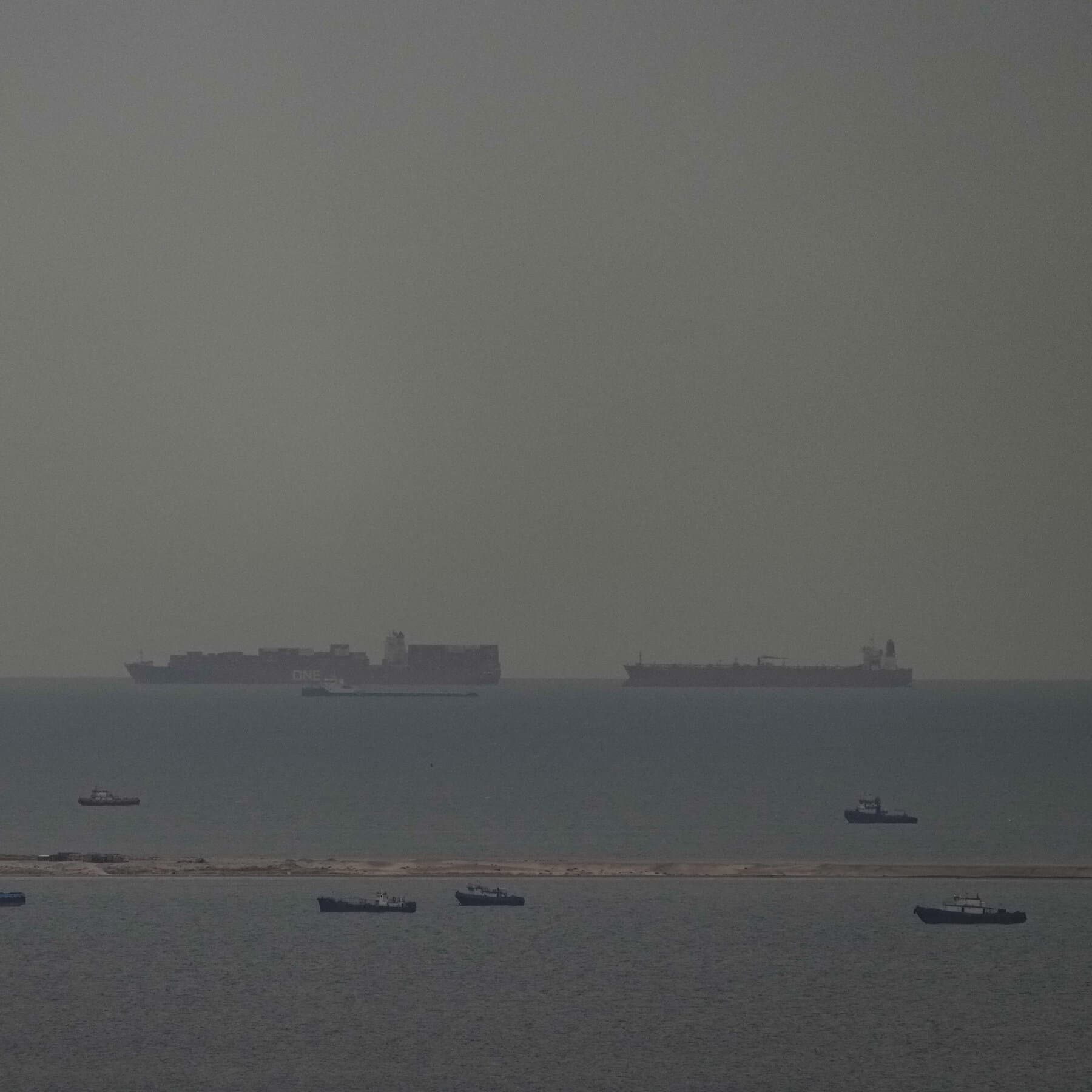
Here's what it means for you.
Rising transit costs in a critical shipping lane could impact global supply chains and fuel prices.
What happened
On March 27, 2026, Iran's Parliament began debating a bill to impose formal tolls on vessels transiting the Strait of Hormuz.
The Context
- Strategic chokepoint: The Strait of Hormuz is vital, handling approximately 20.3 million barrels per day, which accounts for about 25% of global oil consumption.
- De facto tolls already in place: Since February 28, 2026, the Islamic Revolutionary Guards Corps has enforced a 'toll booth' regime, requiring fees and documentation for safe passage.
- Economic implications: With traffic at historic lows and fuel prices soaring, the legislation could exacerbate economic strains in the Gulf region and beyond.
The Number
This figure represents the barrels of petroleum and crude oil transiting the Strait daily, underscoring its significance in global energy markets.
Takeaway
As tensions escalate, expect further disruptions and potential shifts in global shipping routes and energy prices.
Markets, economy, and company analysis from NYT’s business desk.
"The New York Times is a globally recognized newspaper offering authoritative reporting with a center-left editorial stance."
— A47 Editor
Iran Moves to Formalize Toll Plan in Strait of Hormuz
Iran has effectively closed the Strait of Hormuz, a crucial maritime route, by turning back container ships and is considering formalizing a toll plan for vessels passing through. This move has left thousands of ships idling on either side of the str...
Global coverage of politics, crises, and international affairs.
"HuffPost provides progressive-oriented reporting on international developments, often focusing on humanitarian and social justice issues."
— A47 Editor
Iran Starts To Formalize Its Chokehold On The Strait Of Hormuz With A 'Toll Booth' Regime
Iran has begun to formalize its control over the Strait of Hormuz by implementing a toll system for oil tankers, significantly impacting maritime traffic, which has plummeted by 90% since the onset of the Iran conflict. This new 'Tehran toll booth' c...
Markets, economy, and company analysis from NYT’s business desk.
"The New York Times is a globally recognized newspaper offering authoritative reporting with a center-left editorial stance."
— A47 Editor
Iran Keeps a Tight Grip on Strait of Hormuz, Pressuring Shipping and Energy Sectors
Iran has maintained a tight control over the Strait of Hormuz, allowing only a limited number of vessels to pass, which continues to exert pressure on the shipping industry and energy markets. This de facto closure enhances Iran's leverage against th...