
JD Vance Visits Hungary to Support Orbán Ahead of Parliamentary Elections
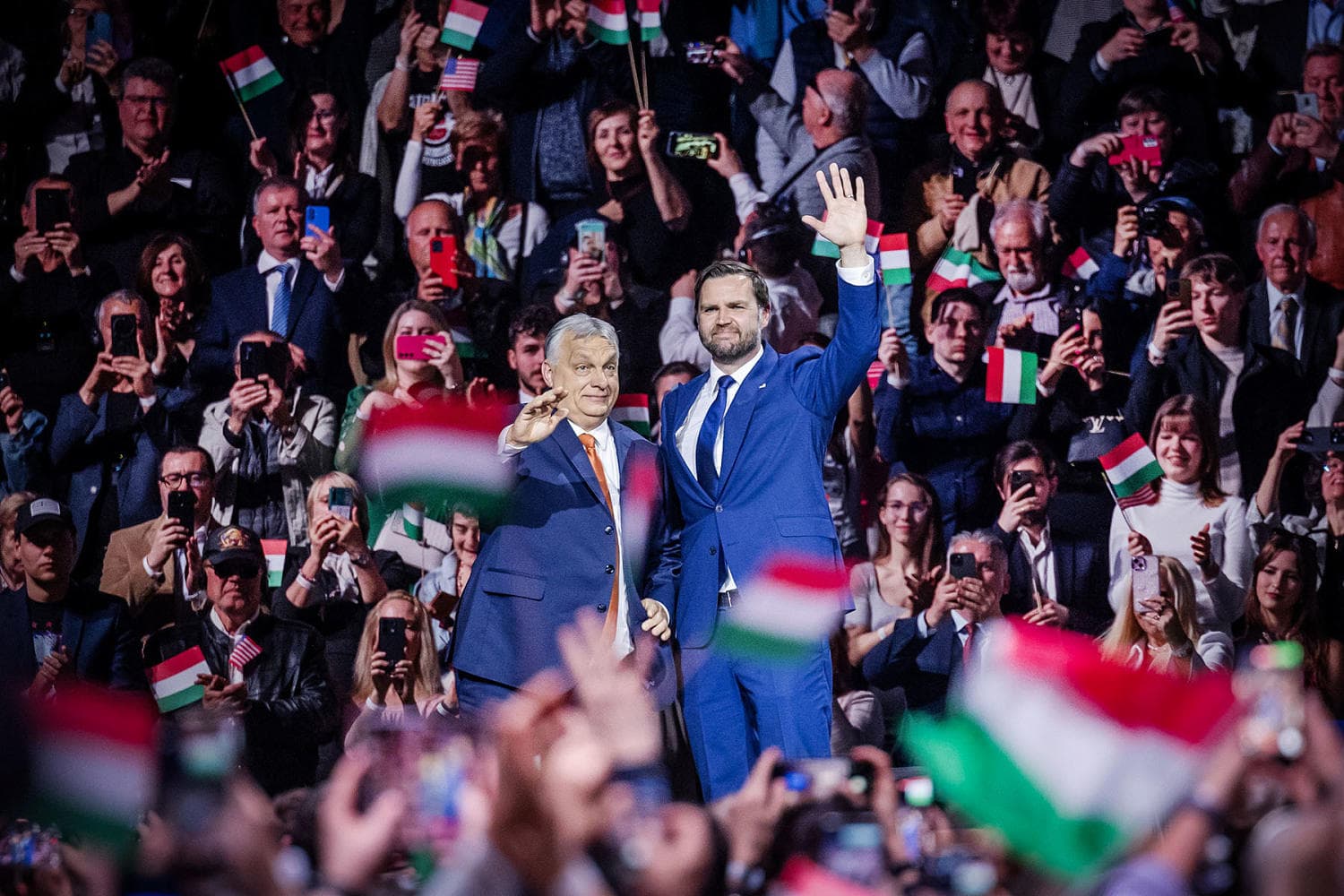
Here's what it means for you.
As political alliances shift in Europe, understanding their implications can help you navigate potential market and diplomatic changes.
Why it matters
This visit underscores the growing influence of U.S. political figures in European elections, which could reshape transatlantic relations and impact global markets.
What happened (in 30 seconds)
- JD Vance visited Budapest on April 7, 2026, to support Prime Minister Viktor Orbán ahead of Hungary's parliamentary election.
- Vance criticized the EU for alleged election interference and urged Hungarians to back Orbán as a defender of sovereignty.
- Orbán's Fidesz party is trailing in polls against the Tisza party, led by former Fidesz member Péter Magyar, amid economic and corruption challenges.
The context you actually need
- Orbán has led Hungary since 2010, implementing policies that have drawn criticism for undermining democratic institutions, leading to EU sanctions and funding freezes.
- The upcoming election is pivotal, with recent polls showing the Tisza party leading Fidesz, marking Orbán's toughest electoral challenge to date.
- Vance's visit highlights U.S. support for Orbán, positioning him as a bulwark against perceived leftist threats, which could influence Hungary's political landscape and its relations with the EU.
What's really happening
JD Vance's visit to Budapest is not just a diplomatic gesture; it reflects a strategic alignment between U.S. and Hungarian leadership that could have significant implications for both nations. Vance's vocal support for Viktor Orbán at a rally, alongside Donald Trump's endorsement via speakerphone, signals a concerted effort to bolster Orbán's position amid rising challenges. The timing of this visit, just days before the April 12 parliamentary elections, is critical as Orbán's Fidesz party faces a serious threat from the Tisza party, which is gaining traction among voters disillusioned by corruption and economic stagnation.
The backdrop of this political rally is essential to understanding the stakes involved. Orbán's government has been characterized by a shift towards what he describes as "illiberal democracy," which has drawn the ire of the European Union. The EU has withheld billions in funding over concerns regarding Hungary's adherence to democratic norms and rule of law. Vance's comments framing the EU's actions as interference resonate with Orbán's narrative of defending national sovereignty against external pressures. This narrative is particularly potent in Hungary, where historical grievances against foreign influence remain strong.
Moreover, Vance's remarks invoking Hungary's 1956 revolution and the legacy of King Saint Stephen are designed to rally nationalistic sentiments, positioning Orbán as a protector of Western values against leftist ideologies. This framing not only seeks to galvanize support for Orbán but also aligns with broader trends in U.S. politics where nationalism and populism are increasingly prominent.
The implications of this visit extend beyond Hungary's borders. If Orbán secures reelection, it could embolden similar nationalist movements across Europe, potentially leading to further friction with the EU. Conversely, a loss for Orbán could signal a shift towards more reformist policies in Hungary, impacting bilateral relations with the U.S. and the EU's approach to Hungary's governance.
Who feels it first (and how)
- Hungarian voters: They face a choice between continued nationalist governance or a shift towards reformist policies.
- EU officials: They will need to navigate the implications of either a strengthened Orbán or a new government that could alter Hungary's stance within the EU.
- Investors: Market sentiment may shift based on the election outcome, affecting investment strategies in Hungary and potentially the broader EU.
What to watch next
- Polls leading up to the election: Continued tracking of voter sentiment will indicate whether Tisza can maintain its lead or if Fidesz can rally support.
- Reactions from the EU: How the EU responds to the election results could signal its future approach to Hungary and its governance.
- Economic indicators: Watch for shifts in Hungary's economic performance and corruption perceptions post-election, which could affect investor confidence.
JD Vance's support for Orbán is part of a broader strategy to align U.S. interests with nationalist movements in Europe.
The election results will have significant implications for Hungary's relationship with the EU and its internal political dynamics.
The long-term impact of Vance's visit on U.S.-Hungarian relations and broader European politics remains to be seen.
Frequently Asked Questions
- Why it matters?
- This visit underscores the growing influence of U.S. political figures in European elections, which could reshape transatlantic relations and impact global markets.
- What happened (in 30 seconds)?
- JD Vance visited Budapest on April 7, 2026, to support Prime Minister Viktor Orbán ahead of Hungary's parliamentary election. Vance criticized the EU for alleged election interference and urged Hungarians to back Orbán as a defender of sovereignty. Orbán's Fidesz party is trailing in polls against the Tisza party, led by former Fidesz member Péter Magyar, amid economic and corruption challenges.
- What's really happening?
- JD Vance's visit to Budapest is not just a diplomatic gesture; it reflects a strategic alignment between U.S. and Hungarian leadership that could have significant implications for both nations. Vance's vocal support for Viktor Orbán at a rally, alongside Donald Trump's endorsement via speakerphone, signals a concerted effort to bolster Orbán's position amid rising challenges. The timing of this visit, just days before the April 12 parliamentary elections, is critical as Orbán's Fidesz party face
- Who feels it first (and how)?
- Hungarian voters: They face a choice between continued nationalist governance or a shift towards reformist policies. EU officials: They will need to navigate the implications of either a strengthened Orbán or a new government that could alter Hungary's stance within the EU. Investors: Market sentiment may shift based on the election outcome, affecting investment strategies in Hungary and potentially the broader EU.
- What to watch next?
- Polls leading up to the election: Continued tracking of voter sentiment will indicate whether Tisza can maintain its lead or if Fidesz can rally support. Reactions from the EU: How the EU responds to the election results could signal its future approach to Hungary and its governance. Economic indicators: Watch for shifts in Hungary's economic performance and corruption perceptions post-election, which could affect investor confidence.
Comprehensive coverage of Middle Eastern and global issues.
"Al Jazeera is a prominent voice from the Global South, especially the Middle East, with an emphasis on underreported stories."
— A47 Editor
JD Vance slams Zelenskyy comments on Orban ahead of Hungary election
U.S. Vice President JD Vance criticized Ukrainian President Volodymyr Zelensky's recent comments perceived as a threat to Hungarian Prime Minister Viktor Orban, labeling them as 'completely scandalous' during a visit to Hungary ahead of the parliamen...
International coverage from The Guardian's global desks.
"The Guardian is known for its progressive editorial stance and in-depth analysis."
— A47 Editor
JD Vance claims US is not interfering in Hungary election
U.S. Vice President JD Vance visited Budapest to express support for Hungarian Prime Minister Viktor Orbán ahead of the parliamentary elections, asserting that the U.S. is not interfering in Hungary's political landscape despite claims to the contrar...
International coverage from The Guardian's global desks.
"The Guardian is known for its progressive editorial stance and in-depth analysis."
— A47 Editor
EU to ‘convey concerns’ to US about Vance’s Hungary intervention – as it happened
U.S. Vice President JD Vance visited Budapest to support Hungarian Prime Minister Viktor Orbán ahead of parliamentary elections, praising Orbán's leadership while criticizing the European Union's influence on Hungary's sovereignty and economy. Vance ...
Comprehensive coverage of global events, politics, and international issues.
"NBC News is a mainstream outlet known for comprehensive national and international coverage with a centrist to slightly left-leaning editorial tone."
— A47 Editor
JD Vance tries to boost ailing MAGA ally ahead of Hungary election
U.S. Vice President JD Vance visited Hungary to support Prime Minister Viktor Orbán ahead of the parliamentary elections, emphasizing that he did not come to dictate how Hungarians should vote. Vance praised Orbán as a 'model' for Europe and accused ...