
NanoClaw partners with Docker to isolate AI agents in sandboxes
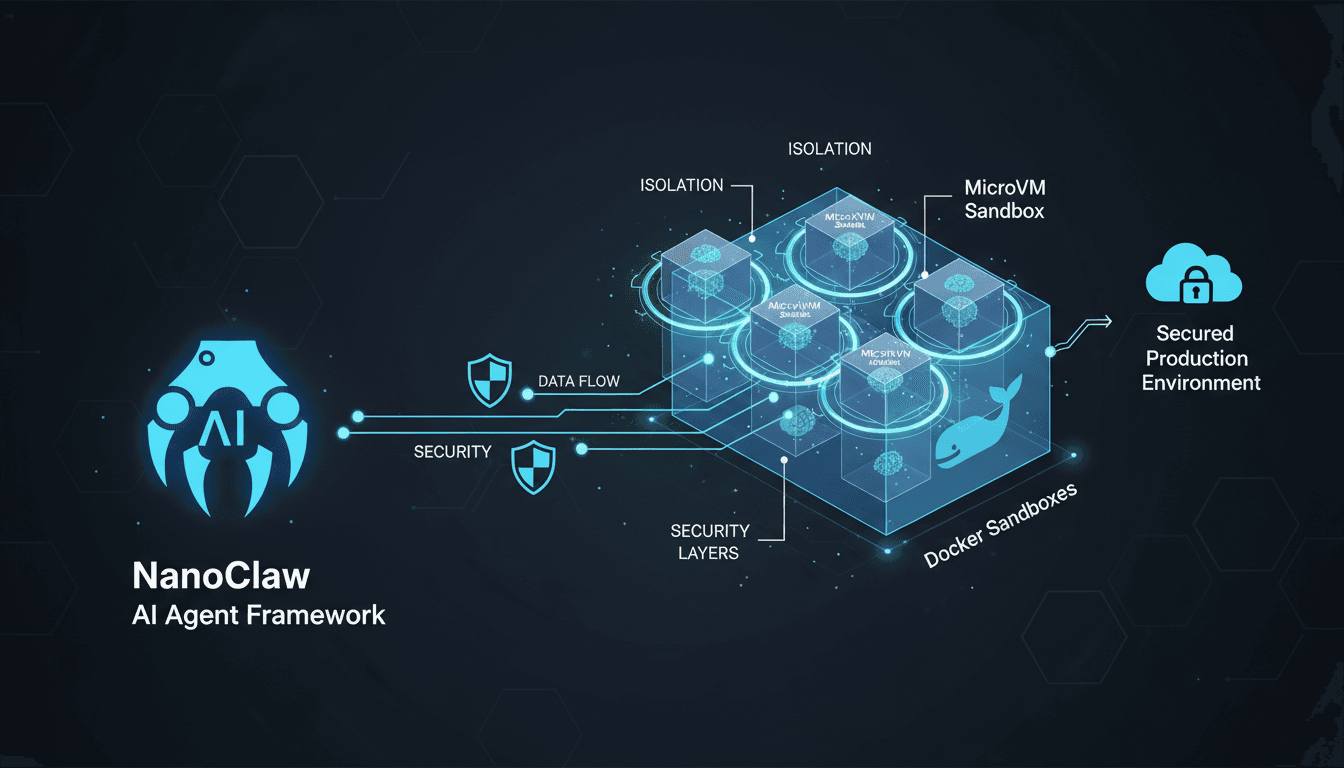
Here's what it means for you.
The partnership between NanoClaw and Docker could redefine how businesses deploy AI agents securely, impacting your operational risk management.
Why it matters
This integration addresses critical security vulnerabilities in autonomous AI systems, which could affect enterprises relying on AI for communication and task automation.
What happened (in 30 seconds)
- NanoClaw announced a partnership with Docker to enhance the security of its AI agent platform by utilizing isolated MicroVM sandboxes.
- The integration is live in the NanoClaw GitHub repository, allowing developers to access the updated codebase immediately.
- Gavriel Cohen, the creator of NanoClaw, pivoted from a successful AI marketing startup to focus on this project after identifying significant security flaws in existing platforms.
The context you actually need
- Security flaws in AI agents have been a growing concern, with many platforms vulnerable to issues like prompt injection and unauthorized access.
- NanoClaw's lightweight architecture has gained traction, achieving over 22,600 GitHub stars, indicating strong community interest and potential for rapid adoption.
- Docker's role in providing a disposable MicroVM layer enhances the isolation of AI agents, making it a compelling solution for enterprises looking to mitigate risks.
What's really happening
The integration of NanoClaw with Docker represents a strategic move to bolster the security of AI agents deployed across various platforms. NanoClaw, developed by Gavriel Cohen, emerged from a need to address vulnerabilities found in existing AI frameworks, particularly OpenClaw. These vulnerabilities included plain-text message storage and unvalidated dependencies, which could lead to data breaches and unauthorized access.
By leveraging Docker's containerization technology, NanoClaw can now run AI agents in isolated environments known as MicroVMs. This setup allows for granular control over resource access, significantly reducing the risk of cross-agent interference and prompt injection attacks. The partnership not only enhances security but also positions NanoClaw as a robust option for enterprises that require reliable and secure AI solutions.
The core narrative of NanoClaw revolves around its ability to manage AI agents through per-group isolated containers. This architecture is particularly relevant for businesses that utilize messaging applications like WhatsApp and Telegram, as well as those that require scheduled task automation. The skills system embedded within NanoClaw allows for flexible deployment, catering to diverse operational needs while maintaining a high security standard.
The integration has garnered attention from the tech community, with over 50 contributors actively participating in the project. Discussions on platforms like Hacker News have highlighted the importance of isolation granularity, indicating a strong interest in the technical aspects of the integration. Furthermore, Docker President Mark Cavage emphasized the control this partnership provides over agent access, reinforcing the commitment to security.
As NanoCo, the company behind NanoClaw, seeks to commercialize its services, venture capital interest is likely to grow. The successful implementation of this partnership could pave the way for more enterprises to adopt containerized AI solutions, ultimately reshaping the landscape of AI deployment in business environments.
Who feels it first (and how)
- Tech startups: They will benefit from enhanced security for AI applications, reducing the risk of data breaches.
- Enterprise IT departments: They will need to adapt to new deployment strategies that prioritize security and isolation.
- Developers: They will have access to a more secure framework for building and deploying AI agents, potentially increasing productivity and innovation.
What to watch next
- Adoption rates of NanoClaw: Monitoring how quickly businesses integrate NanoClaw into their operations will indicate its market acceptance.
- Security incidents in AI deployments: Tracking any breaches or vulnerabilities in competing platforms could highlight the effectiveness of NanoClaw's security measures.
- Venture capital investments in AI security: Increased funding in this sector may signal a growing recognition of the importance of secure AI solutions.
NanoClaw's integration with Docker is live and accessible on GitHub.
Increased interest from enterprises in adopting secure AI solutions as the market evolves.
The long-term impact of this partnership on the competitive landscape of AI agent platforms.
Frequently Asked Questions
- Why it matters?
- This integration addresses critical security vulnerabilities in autonomous AI systems, which could affect enterprises relying on AI for communication and task automation.
- What happened (in 30 seconds)?
- NanoClaw announced a partnership with Docker to enhance the security of its AI agent platform by utilizing isolated MicroVM sandboxes. The integration is live in the NanoClaw GitHub repository, allowing developers to access the updated codebase immediately. Gavriel Cohen, the creator of NanoClaw, pivoted from a successful AI marketing startup to focus on this project after identifying significant security flaws in existing platforms.
- What's really happening?
- The integration of NanoClaw with Docker represents a strategic move to bolster the security of AI agents deployed across various platforms. NanoClaw, developed by Gavriel Cohen, emerged from a need to address vulnerabilities found in existing AI frameworks, particularly OpenClaw. These vulnerabilities included plain-text message storage and unvalidated dependencies, which could lead to data breaches and unauthorized access. By leveraging Docker's containerization technology, NanoClaw can now ru
- Who feels it first (and how)?
- Tech startups: They will benefit from enhanced security for AI applications, reducing the risk of data breaches. Enterprise IT departments: They will need to adapt to new deployment strategies that prioritize security and isolation. Developers: They will have access to a more secure framework for building and deploying AI agents, potentially increasing productivity and innovation.
- What to watch next?
- Adoption rates of NanoClaw: Monitoring how quickly businesses integrate NanoClaw into their operations will indicate its market acceptance. Security incidents in AI deployments: Tracking any breaches or vulnerabilities in competing platforms could highlight the effectiveness of NanoClaw's security measures. Venture capital investments in AI security: Increased funding in this sector may signal a growing recognition of the importance of secure AI solutions.
Enterprise-focused AI news and analysis.
"Practical AI strategies and tools for IT leaders."
— A47 Editor
Is your AI agent a security risk? NanoClaw wants to put it in a virtual cage
NanoClaw has announced a partnership to integrate its open-source AI agent platform with Docker containers, according to ZDNet.
Business tech news, enterprise IT, and innovation analysis.
"ZDNet offers enterprise IT news, reviews, and strategy guidance."
— A47 Editor
Is your AI agent a security risk? NanoClaw wants to put it in a virtual cage
NanoClaw has announced a partnership to integrate its open-source AI agent platform with Docker containers, according to ZDNet.
Biting coverage of AI/ML software and vendors.
"Known for skeptical, incisive reporting on enterprise tech."
— A47 Editor
NanoClaw latches onto Docker Sandboxes for safer AI agents
NanoClaw, an open-source AI agent platform, has announced integration with Docker Sandboxes, enhancing its security features and reinforcing its commitment to safer AI deployment.