
Trump Issues Warning to Iran Over Proposed Toll Fees in Strait of Hormuz
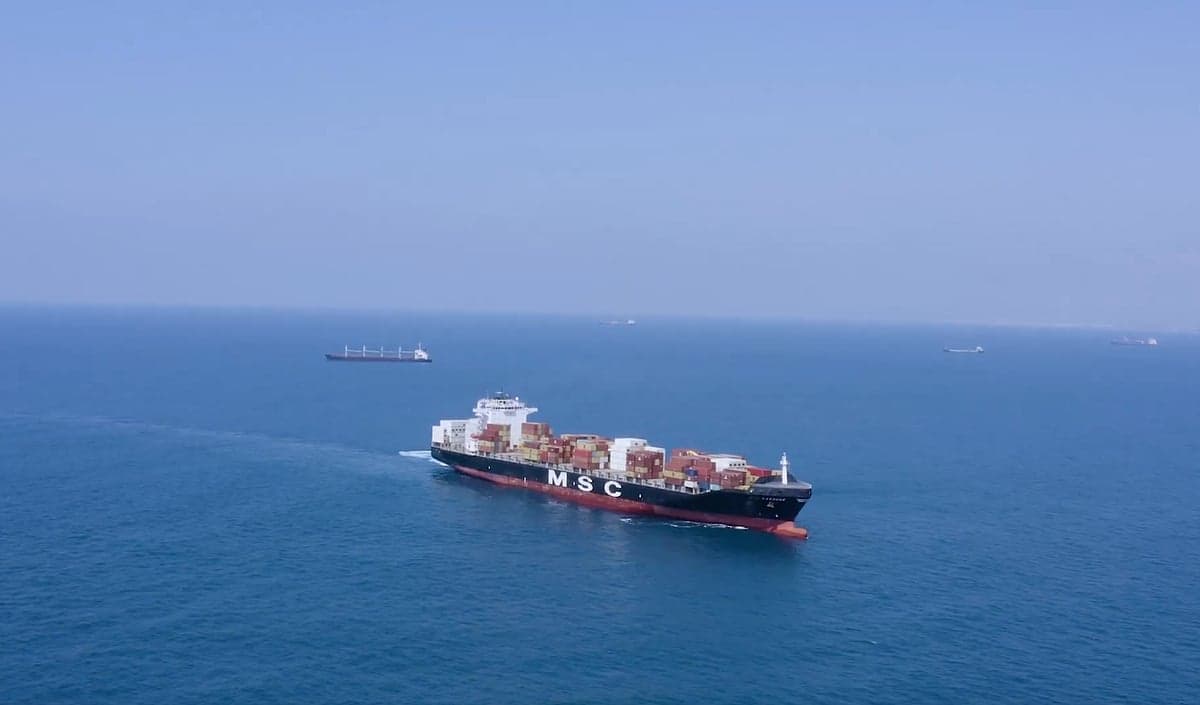
Here's what it means for you.
If you rely on global oil markets, the stability of shipping routes through the Strait of Hormuz directly impacts energy prices and supply chains.
Why it matters
The Strait of Hormuz is a critical chokepoint for global oil, with 20% of the world's petroleum passing through it.
What happened (in 30 seconds)
- April 8: Trump announces a conditional ceasefire with Iran, requiring unrestricted passage through the Strait of Hormuz.
- April 9: Trump warns Iran against imposing toll fees on commercial vessels, emphasizing U.S. commitment to maritime norms.
- Post-announcement: Reports emerge of Iranian toll collections, leading to concerns over compliance with the ceasefire.
The context you actually need
- Escalating tensions: Prior to the ceasefire, U.S. strikes on Iranian nuclear sites heightened hostilities, resulting in Iran restricting access to the Strait.
- Economic implications: The Strait of Hormuz is vital for oil transport, with an average of 20.9 million barrels per day flowing through it, affecting global energy prices.
- Geopolitical stakes: Iran's reported demands for tolls payable in cryptocurrency or yuan signal a potential shift in maritime trade norms and economic power dynamics.
What's really happening
The Strait of Hormuz serves as a vital artery for global oil transportation, making any disruptions a significant concern for international markets. The U.S. has a vested interest in maintaining open and free passage through this chokepoint, as any Iranian tolls could set a dangerous precedent for other strategic waterways. The recent ceasefire, mediated by Pakistan, was a response to escalating tensions following U.S. military actions against Iranian nuclear facilities.
Iran's insistence on toll fees, reportedly payable in cryptocurrency or yuan, reflects its attempts to leverage its geopolitical position amidst economic sanctions and international isolation. This move could disrupt the established norms of maritime trade, where free passage has historically been the standard. The U.S. warning underscores a commitment to uphold these norms, but it also highlights the fragility of the ceasefire and the potential for renewed conflict.
The implications of Iranian toll fees extend beyond immediate economic concerns. If Iran successfully implements these fees, it could embolden other nations to impose similar charges, leading to a fragmented maritime landscape where access to critical shipping routes is contingent on payment. This would not only increase shipping costs but could also lead to higher energy prices globally, affecting consumers and businesses alike.
Moreover, the situation puts pressure on the Gulf Cooperation Council (GCC) countries, which rely heavily on stable oil prices and free shipping routes. The UAE and Qatar have already expressed concerns over Iran's actions, as any disruptions could elevate shipping insurance premiums and create uncertainties in supply chains. The U.S. response, framed as a diplomatic warning, is also a signal to its allies in the region that it remains committed to protecting their economic interests.
Who feels it first (and how)
- Oil producers: Countries reliant on oil exports could see price fluctuations and reduced revenues.
- Shipping companies: Increased shipping insurance costs and potential delays in transit could impact profitability.
- Consumers: Higher energy prices could lead to increased costs for goods and services.
- UAE residents: As a major trade hub, disruptions could affect local businesses and employment in logistics and trade sectors.
What to watch next
- Iran's compliance with the ceasefire: Monitoring whether Iran adheres to the ceasefire terms will be crucial for regional stability and oil prices.
- Global oil prices: Watch for fluctuations in oil prices in response to any developments regarding toll fees or shipping disruptions.
- International diplomatic responses: The reactions from other nations, particularly those in the GCC, will indicate the broader geopolitical ramifications of Iran's actions.
The Strait of Hormuz is essential for global oil transportation, with 20% of oil flows passing through it.
Iran will continue to assert its influence over the Strait, potentially leading to further tensions or negotiations regarding toll fees.
The long-term impact of Iranian toll fees on global shipping norms and energy prices remains uncertain.
Frequently Asked Questions
- Why it matters?
- The Strait of Hormuz is a critical chokepoint for global oil, with 20% of the world's petroleum passing through it.
- What happened (in 30 seconds)?
- April 8: Trump announces a conditional ceasefire with Iran, requiring unrestricted passage through the Strait of Hormuz. April 9: Trump warns Iran against imposing toll fees on commercial vessels, emphasizing U.S. commitment to maritime norms. Post-announcement: Reports emerge of Iranian toll collections, leading to concerns over compliance with the ceasefire.
- What's really happening?
- The Strait of Hormuz serves as a vital artery for global oil transportation, making any disruptions a significant concern for international markets. The U.S. has a vested interest in maintaining open and free passage through this chokepoint, as any Iranian tolls could set a dangerous precedent for other strategic waterways. The recent ceasefire, mediated by Pakistan, was a response to escalating tensions following U.S. military actions against Iranian nuclear facilities. Iran's insistence on t
- Who feels it first (and how)?
- Oil producers: Countries reliant on oil exports could see price fluctuations and reduced revenues. Shipping companies: Increased shipping insurance costs and potential delays in transit could impact profitability. Consumers: Higher energy prices could lead to increased costs for goods and services. UAE residents: As a major trade hub, disruptions could affect local businesses and employment in logistics and trade sectors.
- What to watch next?
- Iran's compliance with the ceasefire: Monitoring whether Iran adheres to the ceasefire terms will be crucial for regional stability and oil prices. Global oil prices: Watch for fluctuations in oil prices in response to any developments regarding toll fees or shipping disruptions. International diplomatic responses: The reactions from other nations, particularly those in the GCC, will indicate the broader geopolitical ramifications of Iran's actions.
UAE-based newspaper covering Gulf politics, society, and international developments.
"Gulf News is one of the UAE’s most prominent English-language publications."
— A47 Editor
Trump cautions Iran against imposing Hormuz 'toll fees' on commercial ships
U.S. President Donald Trump has cautioned Iran against imposing toll fees on commercial ships passing through the Strait of Hormuz, a vital maritime route for global oil transport. This warning follows reports of Iran's proposal to charge fees, which...
A curated Gulf News feed featuring major stories across news, business, opinion, and lifestyle.
"Gulf News is a major UAE newspaper whose featured stories feed reflects a broad editorial mix shaped for a Gulf audience."
— A47 Editor
Trump cautions Iran against imposing Hormuz 'toll fees' on commercial ships
U.S. President Donald Trump has cautioned Iran against imposing toll fees on commercial ships passing through the Strait of Hormuz, a vital maritime route for global oil transport. This warning follows reports of Iran's proposal to charge fees, which...
Regional coverage and analysis focused on politics, diplomacy, and business across the Middle East.
"Al-Monitor is known for analytical reporting on Middle East politics and policy developments."
— A47 Editor
Shipping toll for Hormuz passage sharply divides nations
Iran's recent decision to impose a toll on ships passing through the Strait of Hormuz has emerged as a significant point of contention, particularly as discussions are set to commence in Pakistan. This follows a period of heightened tensions after th...