
Iran's IRGC Attacks Commercial Vessels in Strait of Hormuz Amid Renewed Blockade
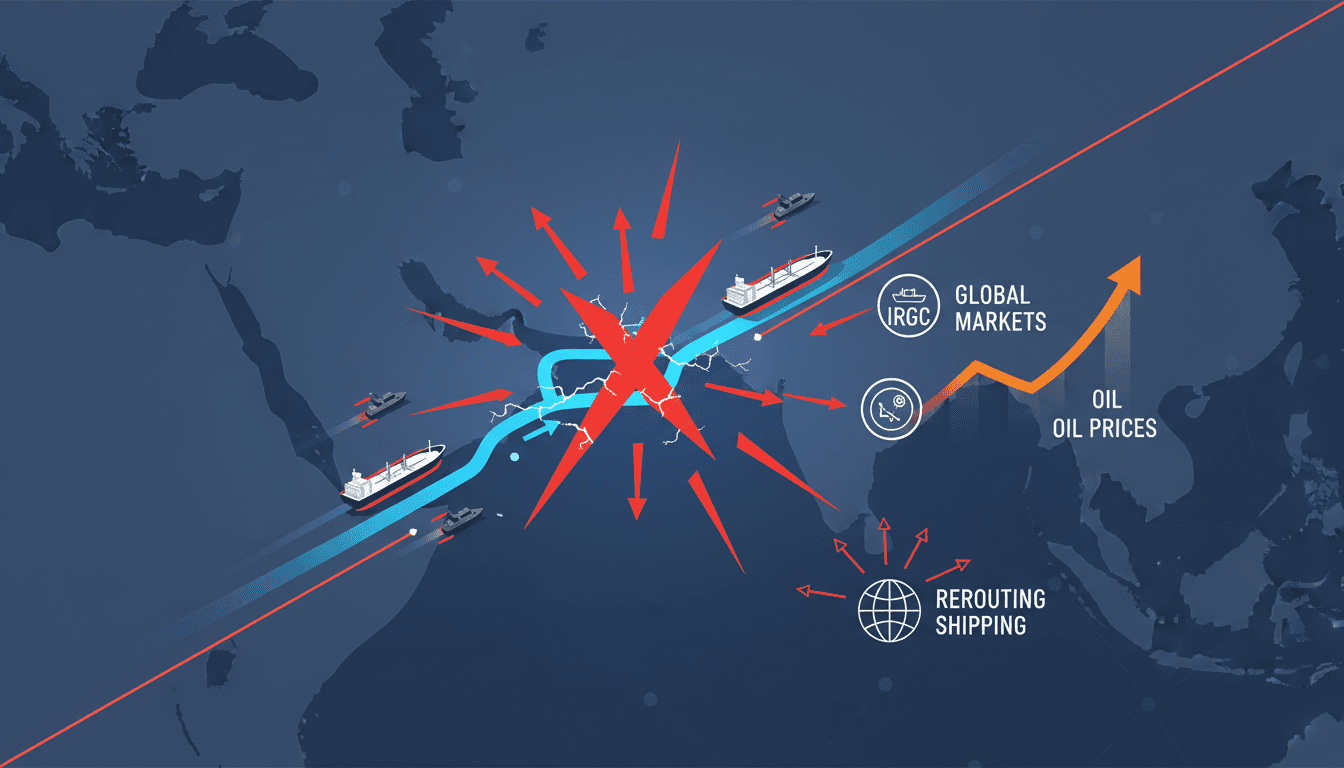
Here's what it means for you.
If you rely on global shipping routes, expect delays and rising costs in the near future.
Why it matters
The Strait of Hormuz is a critical chokepoint for global oil and goods, impacting prices and supply chains worldwide.
What happened (in 30 seconds)
- On April 18, 2026, Iran's Islamic Revolutionary Guard Corps (IRGC) attacked two commercial vessels in the Strait of Hormuz.
- The attacks occurred as Iran reimposed strict control over the strait, which handles 20% of global oil trade.
- Shipping firms have suspended transits, leading to rerouted vessels and increased logistics costs.
The context you actually need
- The Strait of Hormuz crisis is rooted in escalating U.S.-Iran tensions, including military strikes and retaliatory blockades.
- Iran's intermittent closures of the strait have historically targeted vessels linked to adversaries, impacting global oil supply.
- A brief reopening on April 17 was quickly reversed, with Iran citing U.S. violations as justification for renewed enforcement.
What's really happening
The recent attacks by the IRGC on commercial vessels in the Strait of Hormuz are a direct response to heightened tensions between Iran and the U.S. Following a brief ceasefire that allowed limited shipping activity, Iran's sudden reimposition of control signals a strategic maneuver to assert dominance over this vital maritime route. The Strait of Hormuz is not just a passageway; it is a critical artery for global oil trade, with approximately 20% of the world's oil passing through it.
Iran's actions are driven by a combination of national security concerns and economic leverage. By enforcing a blockade, Iran aims to deter U.S. military presence and assert its influence in the region. The IRGC's attacks on commercial vessels serve as a warning to foreign shipping companies and a demonstration of Iran's military capabilities. This tactic is designed to instill fear and uncertainty, compelling vessels to reconsider their routes and operations in the area.
The implications of these attacks extend beyond immediate maritime safety. Shipping firms are now faced with the decision to reroute their vessels, which adds significant time and cost to their operations. For example, rerouting via the Cape of Good Hope can add weeks to transit times, disrupting supply chains and increasing logistics expenses. As a result, oil futures have surged toward $110 per barrel, reflecting market fears over supply disruptions.
Moreover, the UAE has issued navigation warnings, and the UK Maritime Trade Operations (UKMTO) has advised vessels to avoid the area. This creates a ripple effect in global markets, as shipping delays can lead to increased prices for consumers, particularly in regions heavily reliant on imports. In Dubai, residents may soon face fuel price hikes and grocery import delays due to the disrupted shipping routes.
As Iran continues to assert its control over the Strait of Hormuz, the potential for further escalation remains high. The U.S. is monitoring the situation closely but has not indicated immediate retaliation, which leaves the door open for Iran to continue its aggressive maritime enforcement.
Who feels it first (and how)
- Shipping companies: Facing increased costs and operational delays due to rerouted vessels.
- Oil traders: Experiencing price volatility as futures surge in response to supply fears.
- Consumers in the UAE: Likely to see rising fuel prices and potential shortages in imported goods.
- Logistics firms: Encountering higher costs and longer transit times, impacting overall supply chain efficiency.
What to watch next
- Shipping routes: Monitor changes in commercial shipping patterns and any further announcements from shipping firms regarding transits through the Strait of Hormuz.
- Oil prices: Keep an eye on fluctuations in oil futures, as sustained tensions could lead to significant price increases.
- U.S. military response: Watch for any shifts in U.S. naval presence in the region, which could indicate a potential escalation or de-escalation of tensions.
The IRGC has attacked at least three commercial vessels since the morning of April 18.
Shipping firms will continue to reroute vessels, leading to increased logistics costs and delays.
The potential for further military escalation between Iran and the U.S. remains uncertain.
Frequently Asked Questions
- Why it matters?
- The Strait of Hormuz is a critical chokepoint for global oil and goods, impacting prices and supply chains worldwide.
- What happened (in 30 seconds)?
- On April 18, 2026, Iran's Islamic Revolutionary Guard Corps (IRGC) attacked two commercial vessels in the Strait of Hormuz. The attacks occurred as Iran reimposed strict control over the strait, which handles 20% of global oil trade. Shipping firms have suspended transits, leading to rerouted vessels and increased logistics costs.
- What's really happening?
- The recent attacks by the IRGC on commercial vessels in the Strait of Hormuz are a direct response to heightened tensions between Iran and the U.S. Following a brief ceasefire that allowed limited shipping activity, Iran's sudden reimposition of control signals a strategic maneuver to assert dominance over this vital maritime route. The Strait of Hormuz is not just a passageway; it is a critical artery for global oil trade, with approximately 20% of the world's oil passing through it. Iran's a
- Who feels it first (and how)?
- Shipping companies: Facing increased costs and operational delays due to rerouted vessels. Oil traders: Experiencing price volatility as futures surge in response to supply fears. Consumers in the UAE: Likely to see rising fuel prices and potential shortages in imported goods. Logistics firms: Encountering higher costs and longer transit times, impacting overall supply chain efficiency.
- What to watch next?
- Shipping routes: Monitor changes in commercial shipping patterns and any further announcements from shipping firms regarding transits through the Strait of Hormuz. Oil prices: Keep an eye on fluctuations in oil futures, as sustained tensions could lead to significant price increases. U.S. military response: Watch for any shifts in U.S. naval presence in the region, which could indicate a potential escalation or de-escalation of tensions.
Arabic-language political and world news coverage for UAE readers.
"Emarat Al Youm world coverage usually presents international developments through a UAE and Arab audience lens."
— A47 Editor
الحرس الثوري الإيراني يهاجم سفينتين تجاريتين حاولتا عبور مضيق هرمز الحرس الثوري الإيراني يهاجم سفينتين تجاريتين حاولتا عبور مضيق هرمز
Iranian Revolutionary Guard Corps has reportedly attacked at least two commercial vessels attempting to navigate the Strait of Hormuz, according to three sources in maritime security and shipping. The incident involved gunfire directed at the ships, ...
Pan-Arab political news and analysis.
"Al-Quds Al-Arabi is a London-based Arabic newspaper known for political coverage."
— A47 Editor
عاجل.. الحرس الثوري: سيظل مضيق هرمز تحت سيطرة صارمة ما لم تضمن أمريكا حرية الملاحة الكاملة للسفن
The Islamic Revolutionary Guard Corps (IRGC) has announced that the Strait of Hormuz will remain under strict control unless the United States guarantees complete freedom of navigation for ships. This statement underscores ongoing tensions in the reg...
Arabic-language coverage of international news and geopolitics.
"RT Arabic is a Russian state-funded outlet often criticized for promoting Kremlin-aligned narratives."
— A47 Editor
الألغام في مضيق هرمز.. كابوس السفن
The Iranian Revolutionary Guard announced that the passage of ships through the Strait of Hormuz is permitted by its forces, while the U.S. Navy warned that the threat of underwater mines remains significant. This situation highlights ongoing tension...