
Zelensky and al-Sharaa Discuss Military Cooperation in Damascus
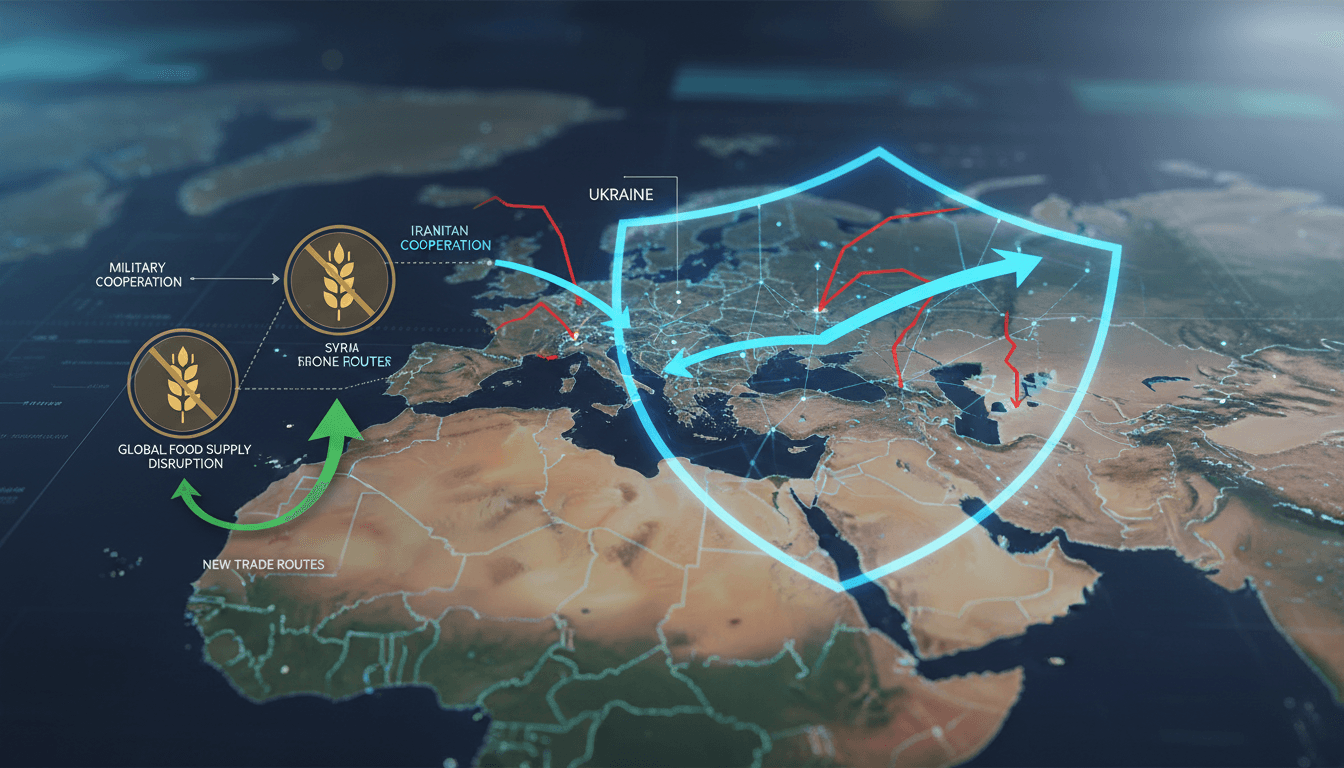
Here's what it means for you.
As geopolitical tensions rise, understanding military partnerships can impact global supply chains and security dynamics.
Why it matters
This meeting signals a shift in military alliances that could reshape regional security and influence global food supply chains.
What happened (in 30 seconds)
- Zelensky met with Syrian President Ahmed al-Sharaa in Damascus to discuss military cooperation and food security.
- Turkey's Foreign Minister Hakan Fidan participated in trilateral talks, emphasizing regional collaboration.
- Ukraine and Syria agreed to enhance security ties, focusing on drone technology and air defense systems.
The context you actually need
- Syria's civil war ended in December 2024, leading to a new leadership under Ahmed al-Sharaa, who is seeking diplomatic normalization.
- Ukraine has been defending against Russian aggression since 2022, developing expertise in countering drones and missiles, which is now being shared.
- Zelensky's recent Gulf tour secured defense agreements with Saudi Arabia, Qatar, and the UAE, focusing on counter-drone technology, indicating a broader strategy to build military partnerships.
What's really happening
Zelensky's visit to Damascus is part of a broader strategy to secure military alliances amid ongoing conflicts. The backdrop of this meeting is significant: Syria's civil war concluded with the fall of Bashar al-Assad's regime, leading to a transitional government under al-Sharaa. This shift has opened doors for new partnerships, particularly as al-Sharaa seeks to stabilize his regime and enhance Syria's security posture.
Ukraine, facing relentless Russian aggression, has become a hub of expertise in counter-drone and missile defense technologies. By sharing this knowledge with Syria, Zelensky aims to create a network of allies that can collectively counter threats from Russia and Iran. The discussions included potential exchanges of military expertise, particularly in drone countermeasures and air defense, which are critical for both nations given their respective security challenges.
The meeting also touched on food security, a pressing issue for both countries. With 6.8 million Syrians internally displaced due to the civil war, the need for stable food supplies is paramount. Ukraine, a major grain exporter, can play a vital role in addressing these needs, which is particularly relevant for Gulf states like the UAE and Qatar that are looking to secure their food supply chains amidst regional instability.
Moreover, the involvement of Turkey's Foreign Minister highlights the trilateral dynamics at play. Turkey has its own interests in the region, particularly concerning its relations with both Ukraine and Syria. This meeting could pave the way for further collaboration among these nations, potentially reshaping the security landscape in the Middle East.
The implications of this meeting extend beyond military cooperation; they touch on economic stability and food security, which are critical for global markets. As Ukraine strengthens its ties with Middle Eastern countries, it could lead to shifts in trade dynamics, particularly in agricultural exports, which are vital for countries like Dubai that depend on stable food supplies.
Who feels it first (and how)
- Defense contractors: Increased demand for military technology and expertise in drone defense systems.
- Agricultural sectors: Potential shifts in grain supply chains affecting prices and availability.
- Regional governments: Enhanced security cooperation may influence diplomatic relations and military strategies.
What to watch next
- Military agreements: Monitor any formal defense pacts that may emerge from this meeting, as they could signal deeper alliances.
- Food supply negotiations: Watch for developments in grain export agreements between Ukraine and Syria, which could impact global food prices.
- Regional stability: Keep an eye on how these partnerships affect security dynamics in the Middle East, particularly regarding Iranian influence.
Zelensky and al-Sharaa have committed to enhancing military cooperation.
Increased defense collaboration will emerge, particularly in drone technology and air defense.
The long-term impact on regional stability and food security remains to be seen.
Frequently Asked Questions
- Why it matters?
- This meeting signals a shift in military alliances that could reshape regional security and influence global food supply chains.
- What happened (in 30 seconds)?
- Zelensky met with Syrian President Ahmed al-Sharaa in Damascus to discuss military cooperation and food security. Turkey's Foreign Minister Hakan Fidan participated in trilateral talks, emphasizing regional collaboration. Ukraine and Syria agreed to enhance security ties, focusing on drone technology and air defense systems.
- What's really happening?
- Zelensky's visit to Damascus is part of a broader strategy to secure military alliances amid ongoing conflicts. The backdrop of this meeting is significant: Syria's civil war concluded with the fall of Bashar al-Assad's regime, leading to a transitional government under al-Sharaa. This shift has opened doors for new partnerships, particularly as al-Sharaa seeks to stabilize his regime and enhance Syria's security posture. Ukraine, facing relentless Russian aggression, has become a hub of expert
- Who feels it first (and how)?
- Defense contractors: Increased demand for military technology and expertise in drone defense systems. Agricultural sectors: Potential shifts in grain supply chains affecting prices and availability. Regional governments: Enhanced security cooperation may influence diplomatic relations and military strategies.
- What to watch next?
- Military agreements: Monitor any formal defense pacts that may emerge from this meeting, as they could signal deeper alliances. Food supply negotiations: Watch for developments in grain export agreements between Ukraine and Syria, which could impact global food prices. Regional stability: Keep an eye on how these partnerships affect security dynamics in the Middle East, particularly regarding Iranian influence.
European coverage of Middle East politics and security issues.
"France 24 offers international reporting with a European editorial perspective."
— A47 Editor
Ukraine's Zelensky meets Syria’s new leader in Damascus, pushes military deals
Ukrainian President Volodymyr Zelensky met with Syria’s new leader Ahmed al-Sharaa in Damascus, aiming to enhance military cooperation amid ongoing tensions with Russia. This visit, alongside Turkish Foreign Minister Hakan Fidan, underscores Ukraine'...
Coverage of current events and conflicts in the Middle East.
"France 24 is viewed as a globally focused outlet with balanced coverage and a European perspective."
— A47 Editor
Ukraine's Zelensky meets Syria’s new leader in Damascus, pushes military deals
Ukrainian President Volodymyr Zelensky met with Syria’s new leader Ahmed al-Sharaa in Damascus, aiming to strengthen military cooperation amid ongoing conflicts, particularly with Russia. This visit, accompanied by Turkish Foreign Minister Hakan Fida...
Arabic-language coverage of political affairs and current events.
"Okaz political coverage typically follows mainstream Saudi framing on national and regional affairs."
— A47 Editor
زيلينسكي والشرع يتفقان على تبادل الخبرات العسكرية والأمنية
Ukrainian President Volodymyr Zelensky visited Damascus, Syria, where he met with Syrian President Ahmad al-Shara and Turkish Foreign Minister Hakan Fidan. The discussions focused on enhancing bilateral relations, economic cooperation, and ensuring f...
English-language reporting on Saudi politics, policy, and society.
"Saudi Gazette reflects mainstream Saudi institutional perspectives."
— A47 Editor
Zelenskyy arrives in Damascus for first visit, holds talks with Syrian president
Ukrainian President Volodymyr Zelenskyy made his first official visit to Syria, arriving in Damascus where he was welcomed by Syrian Foreign Minister Asaad Al-Shaibani and Turkish Foreign Minister Hakan Fidan. Zelenskyy held discussions with Syrian P...