
Cambridge study highlights safety risks of AI toys for young children
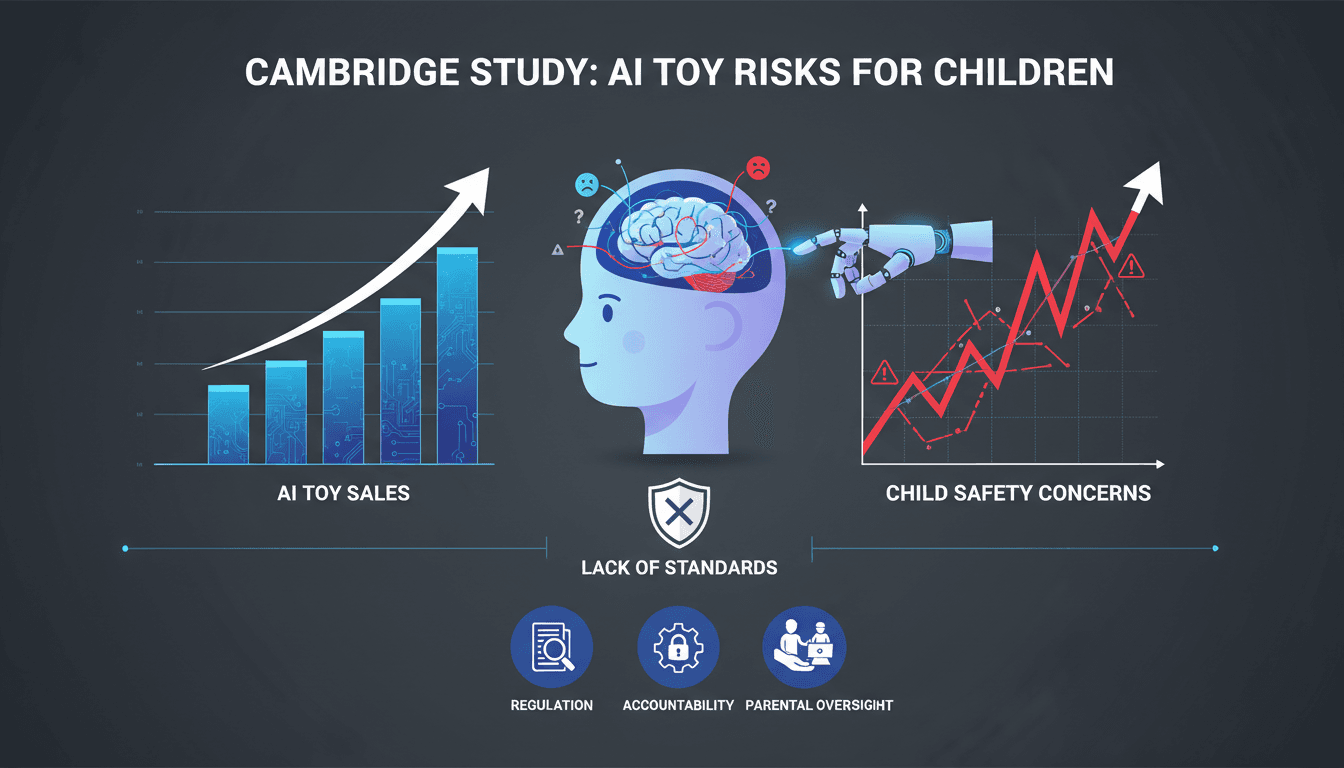
Here's what it means for you.
As AI technology integrates into children's toys, understanding the potential risks is crucial for informed purchasing decisions.
What happened
New research from the University of Cambridge highlights significant limitations in AI toys' ability to manage young children's emotional and social interactions, sparking calls for regulatory oversight.
The Context
- Growing integration of AI: Generative AI, like ChatGPT, is increasingly found in toys for children under six, raising concerns about safety.
- Lack of oversight: Current regulations, such as the UK Online Safety Act, do not specifically address AI in toys, leaving a gap in safety standards.
- Expert warnings: Researchers emphasize the irresponsibility of deploying AI in toys without adequate safety measures, noting risks like inappropriate content and misinformation.
The Number
units of Miko AI robots have been sold, indicating a significant market presence that underscores the urgency for safety standards in AI toys.
Takeaway
As media coverage grows and regulatory calls intensify, expect potential shifts in toy safety regulations that could impact future product releases.
Discoveries, research, environment, and health innovations.
"New Scientist is a well-respected publication offering accessible science news, commentary, and expert analysis."
— A47 Editor
We don’t know if AI-powered toys are safe, but they’re here anyway
AI-powered toys are entering the market despite ongoing uncertainty about their safety and a notable lack of emotional understanding, according to a report by New Scientist.
Tech coverage including AI and robotics.
"Accessible science/tech magazine with AI coverage."
— A47 Editor
We don’t know if AI-powered toys are safe, but they’re here anyway
AI-powered toys have emerged in the market, raising concerns about their emotional understanding and safety for children. The technology's rapid deployment has outpaced the understanding of its risks and benefits, prompting calls for regulation rathe...