
Congress Investigates Potential Insider Trading on Polymarket Ahead of U.S.-Iran Ceasefire Announcement
Here's what it means for you.
If you engage in prediction markets, the scrutiny on Polymarket could reshape how you approach betting on geopolitical events.
Why it matters
The potential for insider trading in prediction markets raises significant concerns about market integrity and national security.
What happened (in 30 seconds)
- On April 7, 2026, over 50 new accounts on Polymarket placed large bets on a U.S.-Iran ceasefire just before President Trump announced it.
- These accounts, created that same day, profited hundreds of thousands, echoing previous suspicious trades linked to the Iran conflict.
- U.S. lawmakers are now demanding investigations into these trades, citing risks of exploiting sensitive national security information.
The context you actually need
- Polymarket is a cryptocurrency-based prediction market that allows global betting on geopolitical outcomes, but it has faced scrutiny for its vulnerability to insider information.
- The 2026 Iran war began after escalating tensions and U.S. strikes, disrupting global oil supplies and leading to significant economic fallout, especially in the UAE.
- Harvard researchers estimated $143 million in anomalous profits from potentially insider-informed trades on Polymarket, raising alarms about the platform's operations.
What's really happening
The recent surge in suspicious betting activity on Polymarket highlights a troubling intersection of financial speculation and geopolitical events. As tensions escalated between the U.S. and Iran, the prediction market became a focal point for traders looking to capitalize on insider information. The platform, which has been banned for U.S. users since 2022, allows global participants to bet on various outcomes, including political events and military actions.
On April 7, 2026, just hours before President Trump announced a ceasefire with Iran, over 50 newly created accounts placed substantial bets on this outcome. This sudden influx of betting activity raised eyebrows, especially since these accounts had no prior history on the platform. The trades yielded significant profits, echoing a pattern observed in previous events, such as a $550,000 gain made just before the onset of the Iran war on February 28, 2026.
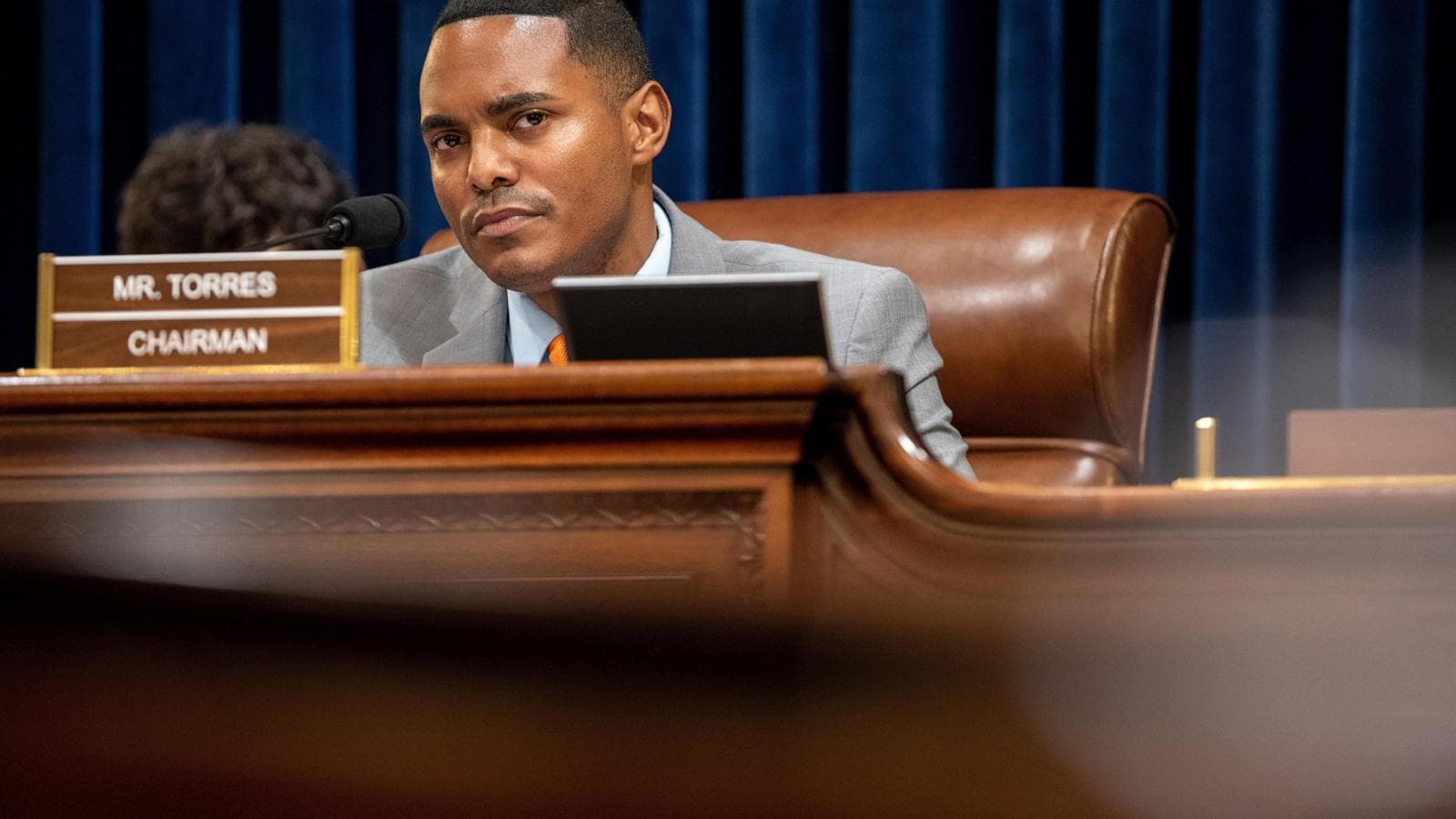
The implications of these trades are profound. Lawmakers, including Rep. Ritchie Torres and Sen. Richard Blumenthal, have called for investigations into the potential exploitation of nonpublic information. They argue that such activities pose a risk not only to market integrity but also to national security, as adversaries could leverage insider knowledge to anticipate U.S. military actions.
Furthermore, the ongoing scrutiny of Polymarket may lead to stricter regulations on prediction markets, particularly those involving war-related bets. Bipartisan bills are already in the works to ban such wagers, reflecting a growing consensus on the need to protect sensitive information from being monetized by traders.
As the investigations unfold, the future of prediction markets like Polymarket hangs in the balance. The platform's attempts to reenter the U.S. market may face significant hurdles, especially as the Commodity Futures Trading Commission (CFTC) intensifies its scrutiny of these operations. The broader implications for global financial markets and national security are yet to be fully understood, but the potential for insider trading in these contexts raises critical questions about accountability and transparency.
Who feels it first (and how)
- Traders on prediction markets who may face increased regulation and scrutiny.
- Investors in geopolitical sectors, particularly those tied to oil and defense, who could see volatility in their markets.
- U.S. lawmakers and regulators who will need to navigate the complexities of market oversight and national security concerns.
What to watch next
- Regulatory actions: Keep an eye on the CFTC's response to the investigations, as new regulations could reshape prediction markets.
- Bipartisan bills: Watch for developments in Congress regarding proposed bans on war-related betting, which could impact market dynamics significantly.
- Market reactions: Observe how traders adjust their strategies in response to heightened scrutiny and potential changes in the legality of prediction markets.
There were suspicious betting activities on Polymarket prior to the U.S.-Iran ceasefire announcement.
Increased regulatory scrutiny will affect the operations of prediction markets and their participants.
The long-term impact on market integrity and national security from these investigations remains to be seen.
Frequently Asked Questions
- Why it matters?
- The potential for insider trading in prediction markets raises significant concerns about market integrity and national security.
- What happened (in 30 seconds)?
- On April 7, 2026, over 50 new accounts on Polymarket placed large bets on a U.S.-Iran ceasefire just before President Trump announced it. These accounts, created that same day, profited hundreds of thousands, echoing previous suspicious trades linked to the Iran conflict. U.S. lawmakers are now demanding investigations into these trades, citing risks of exploiting sensitive national security information.
- What's really happening?
- The recent surge in suspicious betting activity on Polymarket highlights a troubling intersection of financial speculation and geopolitical events. As tensions escalated between the U.S. and Iran, the prediction market became a focal point for traders looking to capitalize on insider information. The platform, which has been banned for U.S. users since 2022, allows global participants to bet on various outcomes, including political events and military actions. On April 7, 2026, just hours befor
- Who feels it first (and how)?
- Traders on prediction markets who may face increased regulation and scrutiny. Investors in geopolitical sectors, particularly those tied to oil and defense, who could see volatility in their markets. U.S. lawmakers and regulators who will need to navigate the complexities of market oversight and national security concerns.
- What to watch next?
- Regulatory actions: Keep an eye on the CFTC's response to the investigations, as new regulations could reshape prediction markets. Bipartisan bills: Watch for developments in Congress regarding proposed bans on war-related betting, which could impact market dynamics significantly. Market reactions: Observe how traders adjust their strategies in response to heightened scrutiny and potential changes in the legality of prediction markets.
Real-time updates, analysis, and reports on the blockchain and cryptocurrency sectors.
"Crypto News delivers real-time updates, analysis, and reports on the blockchain and cryptocurrency sectors."
— A47 Editor
Polymarket Investigation Demanded by Congress After 50 New Accounts Bet on Iran Ceasefire Before Trump Announced It
Congress has demanded an investigation into Polymarket after over 50 new accounts placed bets on a U.S.-Iran ceasefire moments before President Trump announced it on social media on April 9. This incident raises concerns about potential insider tradi...
Public radio coverage of American news and issues.
"NPR is an American public media organization known for thoughtful reporting and a slightly left-leaning editorial tone."
— A47 Editor
Well-timed bets on Polymarket tied to the Iran war draw calls for investigations from lawmakers
Calls for investigations into the prediction market platform Polymarket are intensifying within Congress following reports of anonymous traders making well-timed bets on significant geopolitical events, particularly related to the Iran war. This scru...
Major U.S. developments and regional news.
"ABC News delivers broad national coverage with a mainstream editorial stance, focusing on accessibility and balanced reporting."
— A47 Editor
Well-timed bets on Polymarket tied to Iran war draw calls for investigations
Calls for investigations into the prediction market platform Polymarket are escalating within Congress, particularly following controversial bets related to the Iran war. The platform has faced backlash for allowing users to wager on the fate of U.S....