
US and Iran Resume Direct Negotiations in Islamabad Amid Strait of Hormuz Tensions
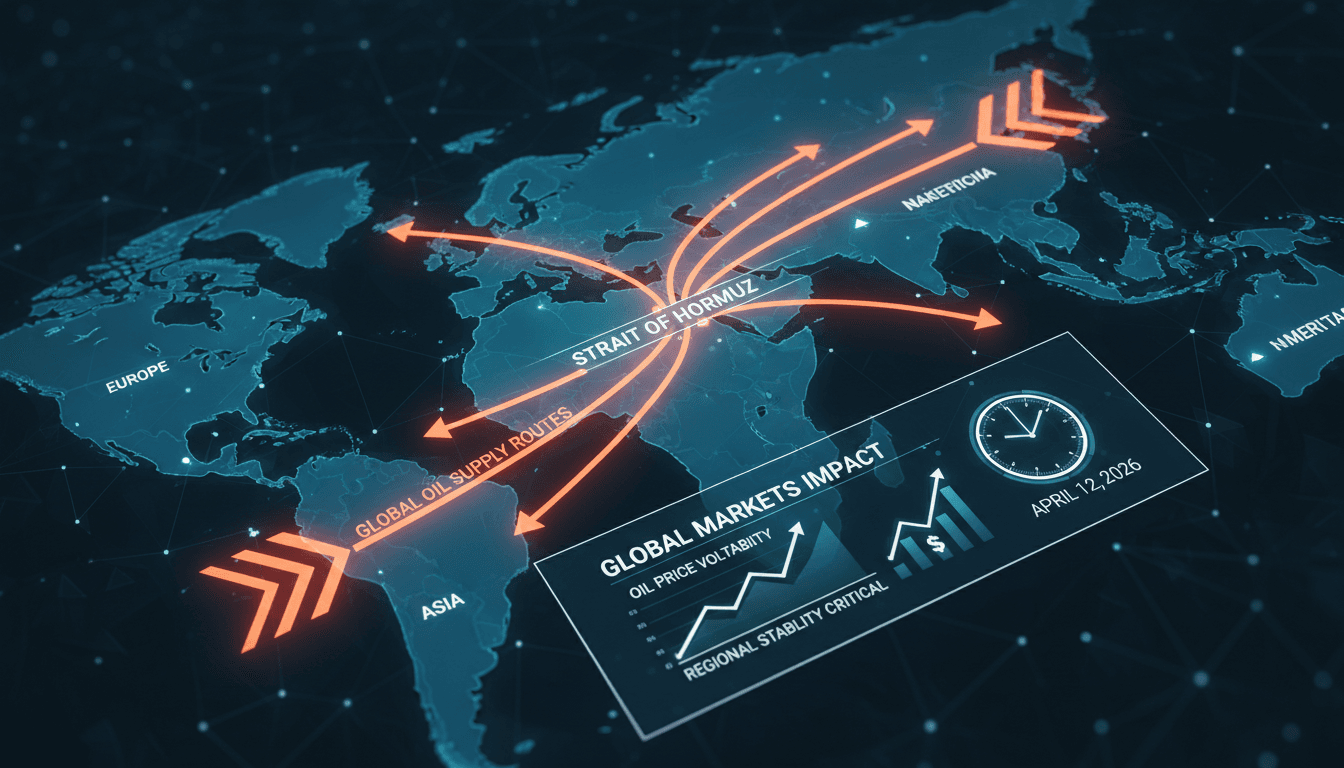
Here's what it means for you.
The outcome of these negotiations could significantly impact global oil prices and maritime security, affecting businesses and consumers worldwide.
Why it matters
The Strait of Hormuz is a critical chokepoint for global oil supplies, with 25% of the world's oil transiting through it.
What happened (in 30 seconds)
- Direct negotiations between the United States and Iran resumed on April 12, 2026, in Islamabad, Pakistan.
- Technical progress was reported on various issues, but significant divisions remain over control of the Strait of Hormuz.
- Regional tensions are heightened due to military activities, including Israeli strikes and US operations, amid a fragile ceasefire.
The context you actually need
- Fragile ceasefire: The negotiations occur in a context of recent escalations between Iran, Israel, and US forces, complicating diplomatic efforts.
- Economic stakes: The Strait of Hormuz is vital for global oil transport, making stability in the region crucial for energy markets and economies worldwide.
- Mediation role: Pakistan is mediating the talks, reflecting its strategic position and interest in regional stability.
What's really happening
The resumption of direct US-Iran negotiations marks a pivotal moment in a long-standing geopolitical standoff. Following a previous round of talks that ended on April 11, 2026, delegations from both nations have returned to the table, facilitated by Pakistani mediation. The discussions focus on critical issues such as regional de-escalation, missile programs, and maritime security, with both sides engaging in technical exchanges to clarify positions.
Despite these efforts, the negotiations are stymied by deep-rooted divisions, particularly regarding the Strait of Hormuz. This waterway is not only a strategic military point but also a vital artery for global oil transport, with 25% of the world's oil supplies passing through it. The US has pressured Iran to ensure safe navigation in the strait, especially after reports of Iranian mines disrupting maritime traffic. In contrast, Iran insists on protecting its national interests and has warned of potential military responses to perceived threats.
The backdrop of these negotiations is a fragile regional ceasefire following escalations involving Iranian and Israeli military actions, as well as US operations in the region. President Donald Trump’s administration has made demands for Iran to reopen the Strait of Hormuz, which has added urgency to the talks. The stakes are high, as any disruption in this area could lead to significant fluctuations in global oil prices, impacting economies worldwide.
As the negotiations progress, both sides have reported some technical advancements, with an Iranian participant describing the talks as "going well." However, US sources have labeled some Iranian demands as "unacceptable," indicating that the path to a resolution remains fraught with challenges. The potential for a deadlock looms, with discussions possibly extending beyond the initial schedule.
The outcome of these negotiations will have far-reaching implications, not only for US-Iran relations but also for global energy markets and regional security dynamics. As the situation evolves, stakeholders across various sectors will need to monitor developments closely, as they could influence everything from oil prices to shipping insurance rates.
Who feels it first (and how)
- Energy companies: Fluctuations in oil prices directly affect profitability and operational costs.
- Shipping and logistics firms: Increased shipping insurance premiums and potential disruptions in maritime routes impact operational efficiency.
- Consumers: Rising fuel costs can lead to higher prices for goods and services, affecting household budgets.
What to watch next
- Negotiation outcomes: Keep an eye on the results of the ongoing talks, particularly regarding the Strait of Hormuz, as they will influence global oil prices.
- Military activities: Monitor any escalations in military operations in the region, as they could derail negotiations and impact maritime security.
- Market reactions: Watch for fluctuations in oil markets and shipping costs, which will signal the broader economic impact of these negotiations.
The Strait of Hormuz is crucial for global oil transport, with 25% of supplies passing through it.
Continued tensions and military activities may affect the negotiation process and regional stability.
The final outcomes of the negotiations and their long-term implications for US-Iran relations remain uncertain.
Frequently Asked Questions
- Why it matters?
- The Strait of Hormuz is a critical chokepoint for global oil supplies, with 25% of the world's oil transiting through it.
- What happened (in 30 seconds)?
- Direct negotiations between the United States and Iran resumed on April 12, 2026, in Islamabad, Pakistan. Technical progress was reported on various issues, but significant divisions remain over control of the Strait of Hormuz. Regional tensions are heightened due to military activities, including Israeli strikes and US operations, amid a fragile ceasefire.
- What's really happening?
- The resumption of direct US-Iran negotiations marks a pivotal moment in a long-standing geopolitical standoff. Following a previous round of talks that ended on April 11, 2026, delegations from both nations have returned to the table, facilitated by Pakistani mediation. The discussions focus on critical issues such as regional de-escalation, missile programs, and maritime security, with both sides engaging in technical exchanges to clarify positions. Despite these efforts, the negotiations are
- Who feels it first (and how)?
- Energy companies: Fluctuations in oil prices directly affect profitability and operational costs. Shipping and logistics firms: Increased shipping insurance premiums and potential disruptions in maritime routes impact operational efficiency. Consumers: Rising fuel costs can lead to higher prices for goods and services, affecting household budgets.
- What to watch next?
- Negotiation outcomes: Keep an eye on the results of the ongoing talks, particularly regarding the Strait of Hormuz, as they will influence global oil prices. Military activities: Monitor any escalations in military operations in the region, as they could derail negotiations and impact maritime security. Market reactions: Watch for fluctuations in oil markets and shipping costs, which will signal the broader economic impact of these negotiations.
Arabic-language coverage of international news and geopolitics.
"RT Arabic is a Russian state-funded outlet often criticized for promoting Kremlin-aligned narratives."
— A47 Editor
استئناف المفاوضات الأمريكية الإيرانية اليوم الأحد وسط تقدم في "تفاصيل" وخلاف عميق حول مضيق هرمز
Direct negotiations between Iran and the United States, currently taking place in Islamabad, are set to resume today, following a proposal from the Pakistani side and agreement from both parties. This round of talks comes amid ongoing discussions abo...
Arabic-language digital news outlet covering UAE, regional, and international developments with broad general-news coverage.
"Al Ain News coverage typically blends UAE-focused reporting with wider Arab regional and international news."
— A47 Editor
محادثات أمريكا وإيران في إسلام آباد.. نصوص مكتوبة وفرص نجاح «ضئيلة»
Talks between the United States and Iran commenced in Islamabad, Pakistan, with expectations that discussions may extend late into the night or into Sunday. The negotiations are characterized by written texts and a cautious outlook on their potential...
Arabic-language coverage of political affairs and current events.
"Okaz political coverage typically follows mainstream Saudi framing on national and regional affairs."
— A47 Editor
جولة مفاوضات ثالثة بين أمريكا وإيران.. وتشاؤم إسرائيلي من نجاحها
A third round of negotiations between the United States and Iran is reportedly taking place in Islamabad, Pakistan, amid Israeli skepticism regarding their success. An Israeli official expressed concerns over Iran's nuclear program and the fragile ce...
Arabic-language coverage of international news and geopolitics.
"RT Arabic is a Russian state-funded outlet often criticized for promoting Kremlin-aligned narratives."
— A47 Editor
مفاوضات إسلام آباد.. تشدد أمريكي إيراني
Recent negotiations in Islamabad have highlighted a growing tension between the United States and Iran, reflecting the complexities of their diplomatic relations. The discussions are set against a backdrop of longstanding geopolitical issues that con...
Arabic-language coverage of international news and geopolitics.
"RT Arabic is a Russian state-funded outlet often criticized for promoting Kremlin-aligned narratives."
— A47 Editor
مفاوضات إسلام آباد.. اجتماع مباشر بين المفاوضين الإيرانيين والأمريكيين ينعقد الآن
Ongoing negotiations are taking place in Islamabad between Iranian and American negotiators in a direct meeting format. Reports indicate that this face-to-face dialogue is currently underway, highlighting a significant moment in diplomatic relations ...
Arabic-language reporting on global and regional news.
"BBC Arabic is part of the BBC, generally regarded for editorial standards and broad international coverage."
— A47 Editor
ما هي النقاط الخلافية الخمس الكبرى في المحادثات بين الولايات المتحدة وإيران؟
Negotiations between the United States and Iran aimed at ending the conflict have commenced in the Pakistani capital, highlighting a range of contentious issues that need to be addressed. The discussions are critical as both nations seek to navigate ...
Pan-Arab news coverage spanning politics, business, sports, and regional affairs.
"Asharq Al-Awsat reflects a broad Arab editorial perspective with strong attention to regional geopolitics."
— A47 Editor
فانس وقاليباف يفتتحان مساراً مباشراً لإنهاء الحرب
High-level American and Iranian leaders initiated a negotiation process in Islamabad on Saturday, aimed at ending the six-week-long conflict between the two nations. This development marks a significant step towards diplomatic engagement and conflict...
Arabic-language political and world news coverage for UAE readers.
"Emarat Al Youm world coverage usually presents international developments through a UAE and Arab audience lens."
— A47 Editor
سي إن إن: المفاوضات بين واشنطن وطهران ستكون غير مباشرة ثم مباشرة سي إن إن: المفاوضات بين واشنطن وطهران ستكون غير مباشرة ثم مباشرة
CNN reported that negotiations between the United States and Iran are expected to take place in Islamabad, initially in an indirect format before transitioning to direct talks. This development highlights ongoing diplomatic efforts aimed at addressin...
Egyptian politics, economy, and society coverage.
"Al Masry Al Youm is a major Egyptian newspaper with broad national coverage."
— A47 Editor
باكستان تستضيف المفاوضات «الأمريكية- الإيرانية» وسط هدنة هشة وحشد عسكرى
Amid a fragile ceasefire described by the U.S. as 'tenuous', crucial negotiations between the United States and Iran are set to commence today in Islamabad, Pakistan, against the backdrop of a significant military buildup by the U.S. in the Middle Ea...
Egyptian politics, economy, and society coverage.
"Al Masry Al Youm is a major Egyptian newspaper with broad national coverage."
— A47 Editor
«المطالب القصوى» تهدد «مفاوضات باكستان».. صراع السيادة والساحات يشعل الأجواء بين واشنطن وطهران
A critical series of negotiations between the United States and Iran is set to begin today in Islamabad, Pakistan, amid a U.S. insistence on reopening the Strait of Hormuz and efforts to separate various conflict arenas.