
Strait of Hormuz Shipping Traffic Plummets Amid US-Iran Tensions
Here's what it means for you.
If you rely on global oil supplies, the ongoing disruptions in the Strait of Hormuz could lead to higher fuel prices and increased shipping costs.
Why it matters
The Strait of Hormuz is a critical chokepoint for approximately 20% of the world's oil supply, making its stability essential for global energy markets.
What happened (in 30 seconds)
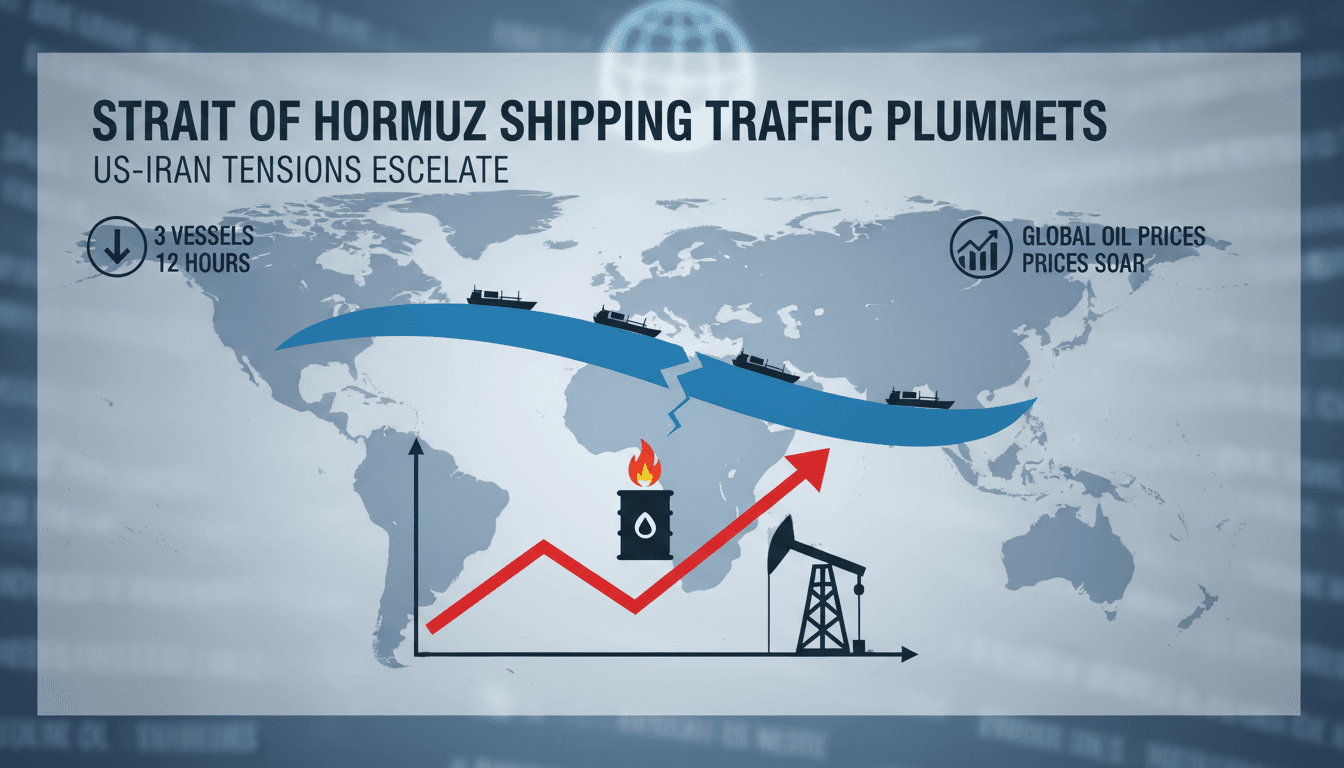
- Shipping traffic through the Strait of Hormuz is at a virtual standstill, with only three vessel transits recorded in 12 hours on April 20, 2026.
- The US Navy seized an Iranian cargo ship, escalating tensions and jeopardizing a fragile ceasefire in the ongoing US-Iran conflict.
- Iran has vowed retaliation and rejected further peace talks, exacerbating disruptions to this vital maritime route.
The context you actually need
- The crisis began on February 28, 2026, when US-Israeli military actions prompted Iran to restrict shipping through the Strait of Hormuz.
- Daily vessel traffic has plummeted over 95% from a pre-war baseline of 100-140 transits, severely impacting global oil supply chains.
- A ceasefire on April 8 allowed for limited recovery, but subsequent US naval blockades have further complicated the situation, leading to a significant drop in shipping activity.
What's really happening
The current standstill in the Strait of Hormuz is a direct consequence of escalating military tensions between the United States and Iran, which began with US-Israeli strikes on Iranian targets in late February 2026. Following these strikes, Iran declared a naval blockade, effectively closing the Strait to most international shipping. This declaration was accompanied by threats of mine deployment, which further deterred commercial vessels from transiting the area.
The situation deteriorated further when the US Navy intercepted an Iranian-flagged cargo ship on April 19, 2026, which was attempting to breach the blockade. This seizure not only heightened tensions but also led Iran to vow retaliation and refuse any further peace negotiations. As a result, shipping traffic has dwindled to a mere three vessels in a 12-hour period, compared to the normal rate of approximately 140 transits per day.
The implications of this standstill are profound. The Strait of Hormuz is a crucial artery for global oil supplies, and disruptions here can lead to significant price fluctuations. Following the recent events, Brent crude oil prices surged by 5-7%, reaching approximately $95-96 per barrel. This spike reflects market anxiety over potential supply shortages, which could ripple through to consumers in the form of higher gasoline prices.
Moreover, the economic impact extends beyond oil prices. Freight rates in the UAE have escalated by 50-500% since the onset of the conflict, stranding thousands of vessels in the Gulf and disrupting trade at key ports like Jebel Ali. The rising costs of shipping and fuel are likely to affect various sectors, from transportation to manufacturing, as businesses grapple with increased operational expenses.
The ongoing conflict and the resulting shipping disruptions are not just a regional issue; they have global ramifications. As the situation evolves, the interconnectedness of global supply chains means that any sustained disruption in the Strait of Hormuz will be felt far beyond the Persian Gulf.
Who feels it first (and how)
- Commercial shipping operators: Facing skyrocketing freight rates and operational uncertainties.
- Oil-dependent industries: Experiencing increased costs and potential supply shortages.
- Consumers: Likely to see higher gasoline prices and increased costs for goods.
- UAE businesses: Struggling with disrupted trade and inflated shipping costs.
What to watch next
- Iran's response to US actions: Any military retaliation could further escalate tensions and disrupt shipping.
- Global oil prices: Continued fluctuations will indicate market reactions to the ongoing conflict and supply chain disruptions.
- Diplomatic efforts: Watch for any renewed negotiations or interventions that could stabilize the situation.
Shipping traffic through the Strait of Hormuz has drastically decreased.
Oil prices will continue to rise as tensions persist.
The timeline for resolution or stabilization of the situation remains uncertain.
Frequently Asked Questions
- Why it matters?
- The Strait of Hormuz is a critical chokepoint for approximately 20% of the world's oil supply, making its stability essential for global energy markets.
- What happened (in 30 seconds)?
- Shipping traffic through the Strait of Hormuz is at a virtual standstill, with only three vessel transits recorded in 12 hours on April 20, 2026. The US Navy seized an Iranian cargo ship, escalating tensions and jeopardizing a fragile ceasefire in the ongoing US-Iran conflict. Iran has vowed retaliation and rejected further peace talks, exacerbating disruptions to this vital maritime route.
- What's really happening?
- The current standstill in the Strait of Hormuz is a direct consequence of escalating military tensions between the United States and Iran, which began with US-Israeli strikes on Iranian targets in late February 2026. Following these strikes, Iran declared a naval blockade, effectively closing the Strait to most international shipping. This declaration was accompanied by threats of mine deployment, which further deterred commercial vessels from transiting the area. The situation deteriorated fur
- Who feels it first (and how)?
- Commercial shipping operators: Facing skyrocketing freight rates and operational uncertainties. Oil-dependent industries: Experiencing increased costs and potential supply shortages. Consumers: Likely to see higher gasoline prices and increased costs for goods. UAE businesses: Struggling with disrupted trade and inflated shipping costs.
- What to watch next?
- Iran's response to US actions: Any military retaliation could further escalate tensions and disrupt shipping. Global oil prices: Continued fluctuations will indicate market reactions to the ongoing conflict and supply chain disruptions. Diplomatic efforts: Watch for any renewed negotiations or interventions that could stabilize the situation.
Regional coverage and analysis focused on politics, diplomacy, and business across the Middle East.
"Al-Monitor is known for analytical reporting on Middle East politics and policy developments."
— A47 Editor
Shipping traffic remains at virtual standstill through Hormuz, data shows
Shipping traffic through the Strait of Hormuz has reached a near standstill, with only three crossings recorded in a 12-hour period, as indicated by shipping data. The oil products tanker Nero, under British sanctions, was one of the few vessels navi...
Oil, metals, and agriculture: supply/demand headlines, OPEC chatter, inventories, and price action.
"Solid tape for energy and metals traders tracking macro and micro catalysts."
— A47 Editor
Shipping traffic remains at virtual standstill through Hormuz, data shows
Shipping traffic through the Strait of Hormuz has reached a virtual standstill, reflecting ongoing geopolitical tensions and the impact of recent U.S. announcements regarding a blockade. This situation has resulted in a significant reduction in tanke...