
Federal Reserve Signals Caution on Rate Cuts Amid Ongoing Iran War
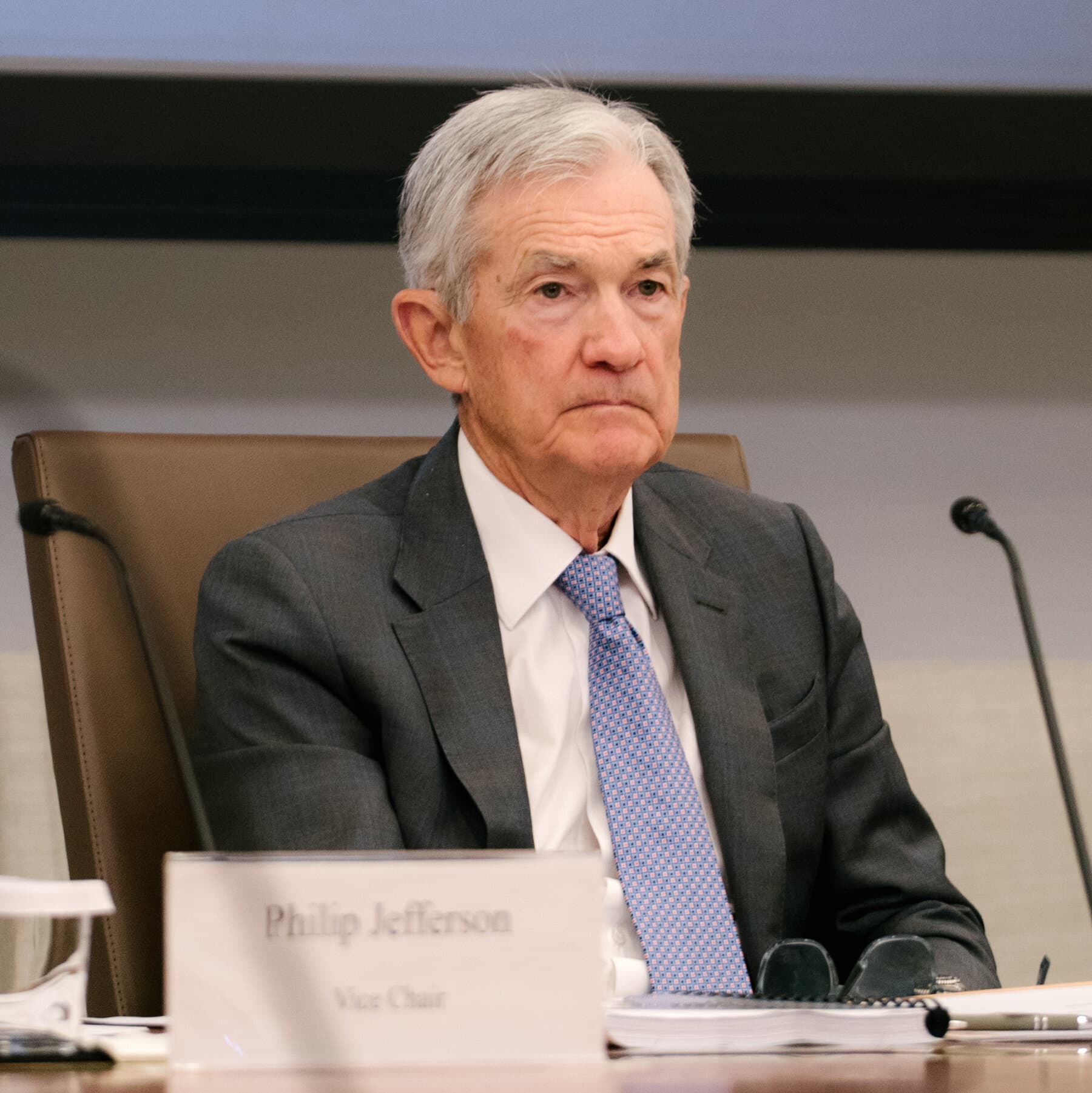
Here's what it means for you.
Your financial decisions could be impacted by the Fed's approach to interest rates in response to global conflicts.
Why it matters
The Federal Reserve's stance on interest rates directly influences borrowing costs and economic stability, affecting everything from mortgages to business loans.
What happened (in 30 seconds)
- Federal Reserve minutes from the March 2026 FOMC meeting indicate a reluctance to accelerate rate cuts due to inflation risks tied to the ongoing Iran War.
- Energy prices have surged following military actions, leading to concerns over persistent inflation that the Fed has struggled to control for five years.
- Market reactions post-release show recalibrated expectations for rate cuts, with some analysts suggesting renewed chances for hikes if inflation pressures continue.
The context you actually need
- The Iran War, which began with U.S.-Israeli strikes on February 28, has disrupted oil supplies, causing a significant spike in energy prices globally.
- Inflation rates have remained above the Fed's 2% target for nearly five years, complicating the central bank's monetary policy decisions.
- UAE's economy, particularly in Dubai, faces compounded pressures from rising oil-linked costs, with growth forecasts slashed amid market volatility.
What's really happening
The Federal Reserve's recent minutes reveal a cautious approach to interest rate cuts, primarily due to the economic fallout from the ongoing Iran War. The conflict, which erupted on February 28, 2026, has led to significant disruptions in global oil supplies, particularly affecting production in Gulf states. By March 10, oil production had dropped by 6.7 million barrels per day, resulting in soaring energy prices that have exacerbated inflationary pressures.
As the Fed grapples with its dual mandate of promoting maximum employment and stable prices, the current inflation rate remains stubbornly above the 2% target. This has forced policymakers to adopt a "wait-and-see" stance, pausing rate cuts initiated earlier in the year and even considering potential rate hikes if inflation persists. The minutes from the March FOMC meeting reflect a consensus among officials to avoid rushing into cuts, especially given the dual-sided risks of rising inflation and weakening demand.
The economic implications of the Iran War extend beyond the U.S. borders, with Dubai experiencing a direct impact. The UAE, despite being a major oil producer, is not insulated from the effects of skyrocketing oil prices. Economic growth forecasts for Dubai have been slashed to 1.5% for 2026, with markets losing approximately $120 billion in value. The aviation and property sectors are particularly vulnerable, with anticipated price corrections of around 15%, further eroding Dubai's status as a safe haven for investors.
As the Fed continues to monitor the situation, its decisions will be heavily influenced by incoming data on inflation and economic growth. Analysts emphasize that the war's dual risks—persistent inflation and potential demand weakening—will prolong the Fed's high rate environment, complicating the path to achieving its inflation targets.
Who feels it first (and how)
- Consumers: Higher borrowing costs for mortgages and loans as interest rates remain elevated.
- Businesses: Increased costs of financing and potential slowdown in investment due to economic uncertainty.
- Investors: Market volatility affecting asset values, particularly in real estate and aviation sectors in Dubai.
- UAE residents: Rising costs of living linked to inflation and oil price hikes, impacting disposable income.
What to watch next
- Inflation data releases: Key indicators on consumer prices will inform the Fed's next moves and market expectations.
- Geopolitical developments: Any signs of de-escalation in the Iran War could shift the Fed's stance on rate cuts.
- Economic growth forecasts: Updates from the UAE and global markets will provide insight into the broader economic impact of the conflict.
The Fed is currently holding off on rate cuts and is open to potential hikes if inflation persists.
Continued volatility in oil prices and inflation rates will influence Fed policy decisions in the near term.
The long-term economic impact of the Iran War on global markets and the Fed's ability to achieve its inflation targets.
Frequently Asked Questions
- Why it matters?
- The Federal Reserve's stance on interest rates directly influences borrowing costs and economic stability, affecting everything from mortgages to business loans.
- What happened (in 30 seconds)?
- Federal Reserve minutes from the March 2026 FOMC meeting indicate a reluctance to accelerate rate cuts due to inflation risks tied to the ongoing Iran War. Energy prices have surged following military actions, leading to concerns over persistent inflation that the Fed has struggled to control for five years. Market reactions post-release show recalibrated expectations for rate cuts, with some analysts suggesting renewed chances for hikes if inflation pressures continue.
- What's really happening?
- The Federal Reserve's recent minutes reveal a cautious approach to interest rate cuts, primarily due to the economic fallout from the ongoing Iran War. The conflict, which erupted on February 28, 2026, has led to significant disruptions in global oil supplies, particularly affecting production in Gulf states. By March 10, oil production had dropped by 6.7 million barrels per day, resulting in soaring energy prices that have exacerbated inflationary pressures. As the Fed grapples with its dual m
- Who feels it first (and how)?
- Consumers: Higher borrowing costs for mortgages and loans as interest rates remain elevated. Businesses: Increased costs of financing and potential slowdown in investment due to economic uncertainty. Investors: Market volatility affecting asset values, particularly in real estate and aviation sectors in Dubai. UAE residents: Rising costs of living linked to inflation and oil price hikes, impacting disposable income.
- What to watch next?
- Inflation data releases: Key indicators on consumer prices will inform the Fed's next moves and market expectations. Geopolitical developments: Any signs of de-escalation in the Iran War could shift the Fed's stance on rate cuts. Economic growth forecasts: Updates from the UAE and global markets will provide insight into the broader economic impact of the conflict.
Real-time updates, analysis, and reports on the blockchain and cryptocurrency sectors.
"Crypto News delivers real-time updates, analysis, and reports on the blockchain and cryptocurrency sectors."
— A47 Editor
Fed divided on rate cuts as Middle East tensions add to policy uncertainty
Minutes from the recent Federal Open Market Committee meeting revealed a divided stance among policymakers regarding potential rate cuts, particularly in light of escalating tensions in the Middle East. The discussions suggest that geopolitical facto...
Covers blockchain, cryptocurrency news, project analysis, and market insights.
"Cointelegraph is a leading crypto-focused media outlet known for timely news, analysis, and educational content related to blockchain and digital assets."
— A47 Editor
Fed minutes open door to further rate cuts amid Iran war
Recent Federal Reserve minutes indicate a potential for further interest rate cuts by year-end, as some officials express concern over inflation remaining above target levels amidst ongoing geopolitical tensions, particularly related to the Iran conf...
UAE-based English-language newspaper covering regional politics, economics, and global affairs.
"The National reflects Emirati policy perspectives while maintaining international editorial standards."
— A47 Editor
Fed minutes: US central bank still sees rate cut despite Iran war uncertainty
The US central bank's recent minutes indicate a continued expectation for interest rate cuts, despite uncertainties stemming from the ongoing war in Iran. This situation is compounded by a two-week ceasefire between the US and Iran, which aims to eas...
Markets, economy, and company analysis from NYT’s business desk.
"The New York Times is a globally recognized newspaper offering authoritative reporting with a center-left editorial stance."
— A47 Editor
Fed Minutes Show Officials in No Rush to Cut as Iran War Scrambled Outlook
The Federal Reserve's recent minutes reveal that officials are not in a hurry to cut interest rates, as the ongoing conflict in the Middle East, particularly the war in Iran, has complicated economic forecasts and raised concerns about inflation. Cha...