
Trump Agrees to Two-Week Ceasefire with Iran Following Threats of Annihilation
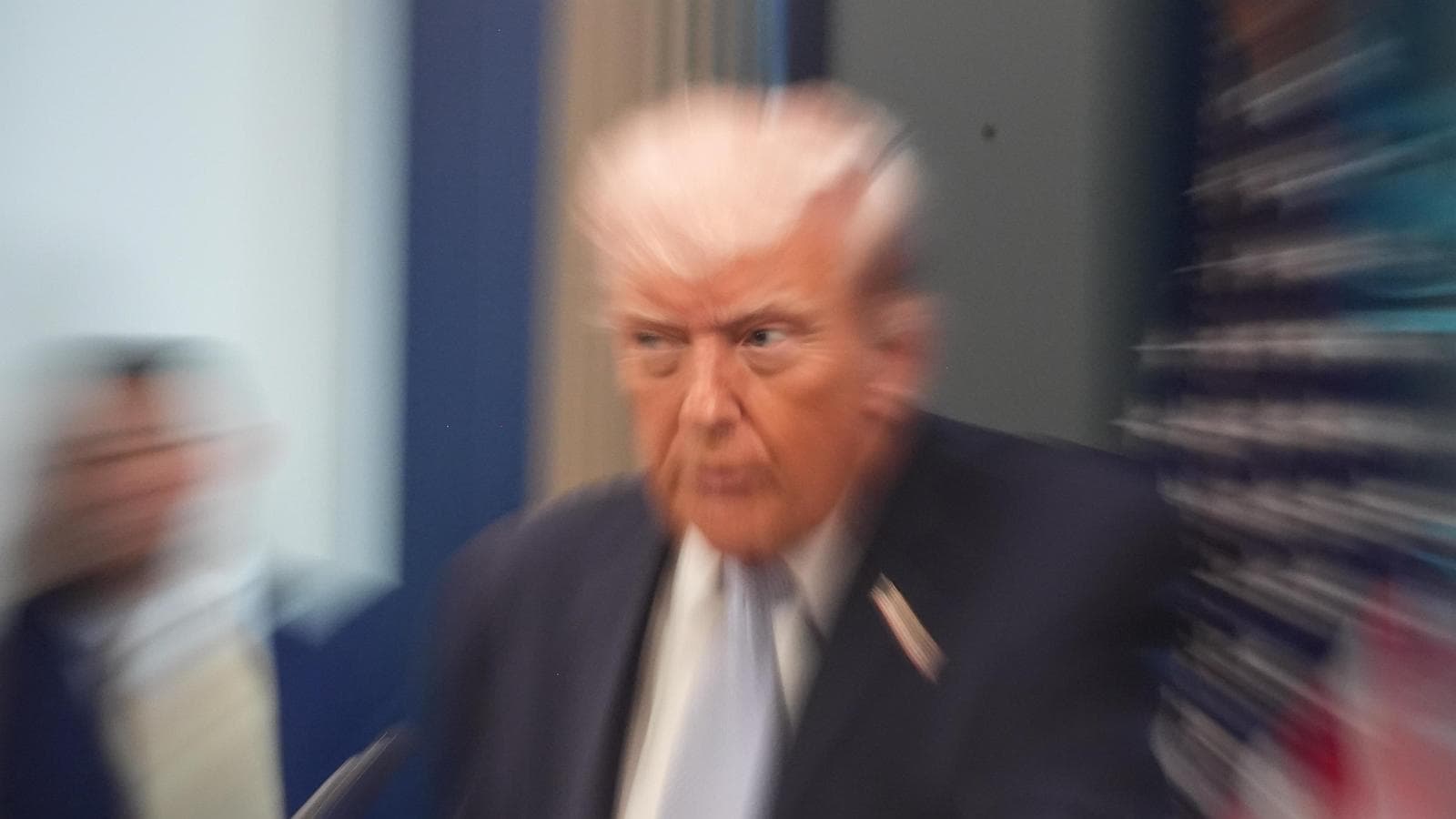
Here's what it means for you.
If you rely on oil markets or are affected by geopolitical tensions, this ceasefire could impact your costs and stability.
Why it matters
The ceasefire agreement has significant implications for global oil supply and geopolitical stability, affecting markets and consumers worldwide.
What happened (in 30 seconds)
- Trump announced a two-week ceasefire with Iran after escalating threats of annihilation, following a nearly six-week conflict.
- The ceasefire is conditional on the safe reopening of the Strait of Hormuz, a critical passage for global oil transport.
- Global oil prices dropped sharply after the announcement, providing relief to markets and consumers.
The context you actually need
- The conflict originated from Iran's support for Hamas and subsequent military actions by the U.S. and Israel, which included the killing of Iran's Supreme Leader.
- Iran's closure of the Strait of Hormuz disrupted 20% of global oil supplies, leading to heightened tensions and military threats from the U.S.
- Mediation by Pakistan and involvement from China facilitated the ceasefire, showcasing the complex international dynamics at play.
What's really happening
The recent ceasefire agreement between the U.S. and Iran marks a significant pivot in a conflict that has escalated over the past several months. The war began in response to Iran's support for Hamas following the October 7, 2023, attack on Israel, which led to a series of retaliatory strikes by the U.S. and Israel. The conflict reached a critical point when the U.S. targeted Iranian leadership, resulting in the death of Supreme Leader Ayatollah Ali Khamenei. In retaliation, Iran closed the Strait of Hormuz, a vital maritime route for global oil, which accounts for approximately 20% of the world's petroleum liquids consumption.
Trump's initial threats of annihilation were part of a broader negotiation strategy, characterized by ultimatums and tight deadlines. On April 7, 2026, he warned that Iran's "whole civilization will die tonight" unless a deal was reached by 8:00 PM ET. This high-stakes rhetoric was met with a counter-offer from Iran, which presented a 10-point plan deemed "workable" by U.S. negotiators. The involvement of Pakistan as a mediator, with backing from China, highlights the shifting alliances and diplomatic efforts in the region.
The ceasefire agreement suspends U.S. bombing for 14 days, contingent upon the safe reopening of the Strait of Hormuz. This reopening is critical not only for the flow of oil but also for regional stability. The agreement allocates fees to Iran and Oman for reconstruction efforts, indicating a potential shift towards long-term peace negotiations. The military successes achieved by U.S. and Israeli forces have provided leverage in these negotiations, allowing for a temporary pause in hostilities.
The immediate aftermath saw a significant drop in global oil prices, with U.S. crude falling 13.3% to $96 per barrel. This decline is expected to ease inflationary pressures on consumers and businesses alike, as oil prices directly influence transportation and production costs. However, the situation remains fluid, with ongoing security concerns regarding Iran's military capabilities and the potential for renewed conflict.
Who feels it first (and how)
- Oil consumers: Individuals and businesses relying on oil will see fluctuations in prices, impacting transportation and energy costs.
- Investors in energy markets: Traders and investors will react to price volatility, affecting stock portfolios and market stability.
- Geopolitical analysts: Professionals monitoring international relations will need to reassess risk factors and potential future conflicts.
- Residents of the UAE and surrounding regions: Heightened security alerts and military actions have immediate effects on daily life and economic stability.
What to watch next
- Verification of the ceasefire conditions: Monitoring whether Iran safely reopens the Strait of Hormuz will be crucial for oil market stability.
- Reactions from regional powers: Observing how countries like Israel and Saudi Arabia respond to the ceasefire will indicate future geopolitical tensions.
- Long-term negotiations: The progress of Iran's 10-point plan and any subsequent agreements will shape the future of U.S.-Iran relations.
The ceasefire agreement is currently active, suspending U.S. bombing for 14 days.
Global oil prices will remain volatile as the situation develops and negotiations unfold.
The long-term implications of the ceasefire on U.S.-Iran relations and regional stability remain uncertain.
Frequently Asked Questions
- Why it matters?
- The ceasefire agreement has significant implications for global oil supply and geopolitical stability, affecting markets and consumers worldwide.
- What happened (in 30 seconds)?
- Trump announced a two-week ceasefire with Iran after escalating threats of annihilation, following a nearly six-week conflict. The ceasefire is conditional on the safe reopening of the Strait of Hormuz, a critical passage for global oil transport. Global oil prices dropped sharply after the announcement, providing relief to markets and consumers.
- What's really happening?
- The recent ceasefire agreement between the U.S. and Iran marks a significant pivot in a conflict that has escalated over the past several months. The war began in response to Iran's support for Hamas following the October 7, 2023, attack on Israel, which led to a series of retaliatory strikes by the U.S. and Israel. The conflict reached a critical point when the U.S. targeted Iranian leadership, resulting in the death of Supreme Leader Ayatollah Ali Khamenei. In retaliation, Iran closed the Stra
- Who feels it first (and how)?
- Oil consumers: Individuals and businesses relying on oil will see fluctuations in prices, impacting transportation and energy costs. Investors in energy markets: Traders and investors will react to price volatility, affecting stock portfolios and market stability. Geopolitical analysts: Professionals monitoring international relations will need to reassess risk factors and potential future conflicts. Residents of the UAE and surrounding regions: Heightened security alerts and military actions ha
- What to watch next?
- Verification of the ceasefire conditions: Monitoring whether Iran safely reopens the Strait of Hormuz will be crucial for oil market stability. Reactions from regional powers: Observing how countries like Israel and Saudi Arabia respond to the ceasefire will indicate future geopolitical tensions. Long-term negotiations: The progress of Iran's 10-point plan and any subsequent agreements will shape the future of U.S.-Iran relations.
International coverage from The Guardian's global desks.
"The Guardian is known for its progressive editorial stance and in-depth analysis."
— A47 Editor
Trump vents frustation with Nato – as it happened
A provisional two-week ceasefire has been agreed upon between the United States and Iran, allowing for the reopening of the strategically vital Strait of Hormuz. This agreement follows escalating tensions and threats from President Donald Trump, who ...
International coverage from The Guardian's global desks.
"The Guardian is known for its progressive editorial stance and in-depth analysis."
— A47 Editor
Oil prices plunge and stocks jump after Trump announces conditional ceasefire with Iran
Oil prices experienced a significant decline on April 8, 2026, following the announcement of a two-week conditional ceasefire between the U.S. and Iran, as declared by President Donald Trump. The agreement allows Iran to manage the reopening of the s...
News from the United States including domestic politics, society, and culture.
"The Guardian is known for its progressive editorial stance and in-depth analysis, often advocating for social justice, environmental issues, and liberal values."
— A47 Editor
Oil prices plunge and stocks jump after Trump announces conditional ceasefire with Iran
Oil prices experienced a significant decline on April 8, 2026, following the announcement of a two-week conditional ceasefire between the U.S. and Iran, as declared by President Donald Trump. The agreement allows Iran to manage the reopening of the s...
UK and international business news, economics, and corporate coverage.
"The Guardian’s business section covers finance and markets with a progressive editorial tone."
— A47 Editor
Oil prices plunge and stocks jump after Trump announces conditional ceasefire with Iran
Oil prices experienced a significant decline on April 8, 2026, following the announcement of a two-week conditional ceasefire between the U.S. and Iran, as declared by President Donald Trump. The agreement allows Iran to manage the reopening of the s...
Top international stories selected by The Guardian editors.
"The Guardian is known for its progressive editorial stance and in-depth analysis."
— A47 Editor
US and Iran agree to provisional ceasefire as Tehran says it will reopen strait of Hormuz
The United States and Iran have reached a provisional two-week ceasefire, allowing for the reopening of the strategically important Strait of Hormuz. This agreement was facilitated by a last-minute diplomatic intervention from Pakistan, which came af...
Real-time updates, analysis, and reports on the blockchain and cryptocurrency sectors.
"Crypto News delivers real-time updates, analysis, and reports on the blockchain and cryptocurrency sectors."
— A47 Editor
Trump secures two week ceasefire with Iran, Bitcoin reclaims $70k
President Donald Trump announced a two-week ceasefire between the United States and Iran, indicating significant progress towards a definitive peace agreement. This announcement follows discussions with Pakistani Prime Minister Shehbaz Sharif and aim...
A curated Gulf News feed featuring major stories across news, business, opinion, and lifestyle.
"Gulf News is a major UAE newspaper whose featured stories feed reflects a broad editorial mix shaped for a Gulf audience."
— A47 Editor
US-Iran war: What we know so far about the ceasefire deal
The United States and Iran have agreed to a two-week ceasefire, marking a significant pause in escalating military tensions that had threatened further conflict in the Middle East. This truce was reached just before a deadline set by President Donald...
UAE-based newspaper covering Gulf politics, society, and international developments.
"Gulf News is one of the UAE’s most prominent English-language publications."
— A47 Editor
US-Iran war: What we know so far about the ceasefire deal
The United States and Iran have agreed to a two-week ceasefire, marking a significant pause in escalating military tensions that had threatened further conflict in the Middle East. This truce was reached just before a deadline set by President Donald...
Major U.S. developments and regional news.
"ABC News delivers broad national coverage with a mainstream editorial stance, focusing on accessibility and balanced reporting."
— A47 Editor
How Trump went from threatening Iran's annihilation to agreeing to a two-week ceasefire with Tehran
President Donald Trump transitioned from issuing threats of annihilation against Iran to agreeing to a two-week ceasefire, following a diplomatic intervention from Pakistan. This ceasefire is contingent upon Iran's commitment to reopen the strategica...
News from the United States including domestic politics, society, and culture.
"The Guardian is known for its progressive editorial stance and in-depth analysis, often advocating for social justice, environmental issues, and liberal values."
— A47 Editor
US and Iran agree to provisional ceasefire with Tehran saying it will reopen strait of Hormuz
The United States and Iran have reached a provisional two-week ceasefire, facilitated by a last-minute diplomatic intervention from Pakistan, which effectively canceled an ultimatum from President Donald Trump demanding Iran's surrender or face sever...