
US and Iran Reach Two-Week Ceasefire Agreement Amid Escalating Conflict
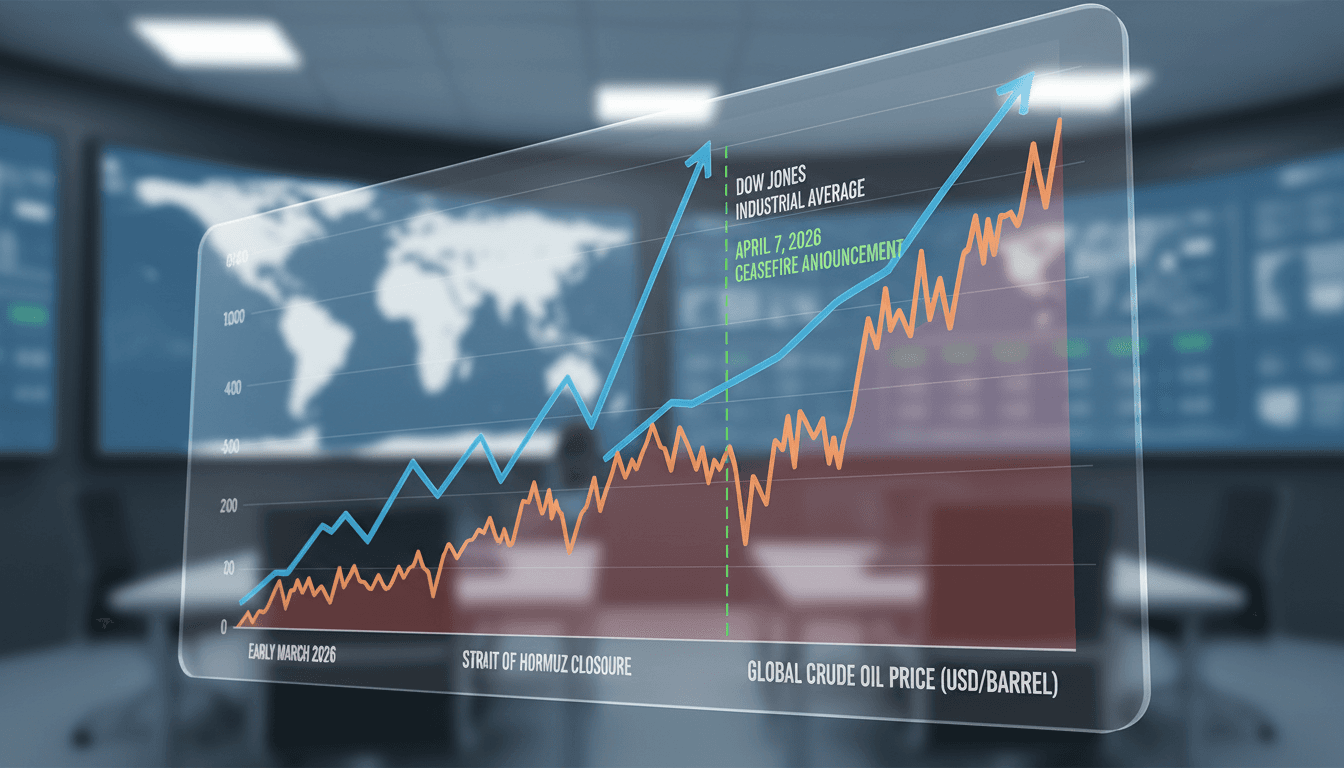
Here's what it means for you.
The recent ceasefire between the U.S. and Iran could stabilize global markets and impact energy prices, affecting your investments and travel costs.
Why it matters
This ceasefire alleviates immediate geopolitical tensions, which can influence global economic stability and market performance.
What happened (in 30 seconds)
- On April 7, 2026, a two-week ceasefire was agreed upon between the U.S. and Iran, mediated by Pakistan.
- The Dow Jones Industrial Average surged by 2.9%, marking its largest daily gain in a year following the announcement.
- Iran's reopening of the Strait of Hormuz is a key condition of the ceasefire, crucial for global oil transit.
The context you actually need
- The ceasefire follows a period of heightened conflict that began with U.S.-Israeli strikes on Iran in February 2026, leading to significant disruptions in oil supply.
- Iran's closure of the Strait of Hormuz on March 4, 2026, had already impacted 20% of global oil transit, causing energy prices to spike.
- The ceasefire is fragile, with ongoing tensions, particularly regarding Israeli operations against Hezbollah, which could influence future negotiations.
What's really happening
The ceasefire agreement between the U.S. and Iran is a significant development in a long-standing conflict that has escalated dramatically in recent months. The catalyst for this agreement was a series of military actions that began in late February 2026, when joint U.S.-Israeli strikes targeted Iranian military infrastructure in an attempt to instigate regime change. This aggressive posture led Iran to retaliate by closing the Strait of Hormuz, a vital maritime corridor for oil shipments, which disrupted approximately 20% of global oil transit and caused energy prices to soar.
As tensions escalated, U.S. President Donald Trump issued an ultimatum on April 7, demanding the reopening of the Strait of Hormuz or face potential military strikes on Iranian infrastructure. The situation was precarious, with the potential for a broader conflict looming. However, Pakistan's mediation facilitated a 10-point proposal from Iran, which sought an extension of the deadline and a ceasefire in exchange for reopening the strait. Trump accepted this proposal, leading to a temporary truce that has immediate implications for global markets.
The announcement of the ceasefire triggered a sharp rally in global stock markets, particularly in the U.S., where the Dow Jones Industrial Average recorded a 2.9% increase—the largest daily gain in a year. This surge reflects investor optimism regarding reduced geopolitical risk and the potential for stabilized oil prices. In the aftermath, Brent crude oil prices fell by 12% to $96.19 per barrel, indicating a market response to the easing of tensions.
However, the ceasefire is not without its challenges. The agreement is fragile, with reports of alleged violations already surfacing. Iran has condemned ongoing Israeli strikes against Hezbollah in Lebanon as violations of the ceasefire, while Israel has affirmed its commitment to continue operations against Hezbollah. This ongoing conflict poses risks to the stability of the ceasefire and could lead to renewed tensions if not managed carefully.
The implications of this ceasefire extend beyond immediate military concerns; they also impact global economic dynamics. The stabilization of oil prices is crucial for economies that rely heavily on oil exports, such as the UAE, which has already seen its stock market respond positively to the news. The UAE's diversified economy may benefit from lower oil prices, which could support broader economic growth in the region.
Who feels it first (and how)
- Investors in global markets: Increased stock prices and reduced volatility can lead to higher returns on investments.
- Energy sector stakeholders: Lower oil prices can affect profitability but may also stabilize supply chains.
- Travel and tourism industries: Reduced fuel costs can lower travel expenses, benefiting airlines and hospitality sectors.
- Residents in conflict zones: Ongoing tensions can lead to instability and security concerns, impacting daily life.
What to watch next
- Negotiations in Islamabad: The scheduled talks involving U.S. officials, including Vice President JD Vance, will be crucial in determining the future of the ceasefire and broader U.S.-Iran relations.
- Market reactions to oil prices: Watch for fluctuations in oil prices as the ceasefire progresses, which could impact energy stocks and broader market sentiment.
- Israeli military actions: Continued Israeli operations against Hezbollah could jeopardize the ceasefire, leading to renewed tensions and market volatility.
The ceasefire is currently in effect for two weeks, with specific conditions regarding the Strait of Hormuz.
Market volatility will continue as investors react to developments in the ceasefire and regional tensions.
The long-term sustainability of the ceasefire and its impact on U.S.-Iran relations remains uncertain.
Frequently Asked Questions
- Why it matters?
- This ceasefire alleviates immediate geopolitical tensions, which can influence global economic stability and market performance.
- What happened (in 30 seconds)?
- On April 7, 2026, a two-week ceasefire was agreed upon between the U.S. and Iran, mediated by Pakistan. The Dow Jones Industrial Average surged by 2.9%, marking its largest daily gain in a year following the announcement. Iran's reopening of the Strait of Hormuz is a key condition of the ceasefire, crucial for global oil transit.
- What's really happening?
- The ceasefire agreement between the U.S. and Iran is a significant development in a long-standing conflict that has escalated dramatically in recent months. The catalyst for this agreement was a series of military actions that began in late February 2026, when joint U.S.-Israeli strikes targeted Iranian military infrastructure in an attempt to instigate regime change. This aggressive posture led Iran to retaliate by closing the Strait of Hormuz, a vital maritime corridor for oil shipments, which
- Who feels it first (and how)?
- Investors in global markets: Increased stock prices and reduced volatility can lead to higher returns on investments. Energy sector stakeholders: Lower oil prices can affect profitability but may also stabilize supply chains. Travel and tourism industries: Reduced fuel costs can lower travel expenses, benefiting airlines and hospitality sectors. Residents in conflict zones: Ongoing tensions can lead to instability and security concerns, impacting daily life.
- What to watch next?
- Negotiations in Islamabad: The scheduled talks involving U.S. officials, including Vice President JD Vance, will be crucial in determining the future of the ceasefire and broader U.S.-Iran relations. Market reactions to oil prices: Watch for fluctuations in oil prices as the ceasefire progresses, which could impact energy stocks and broader market sentiment. Israeli military actions: Continued Israeli operations against Hezbollah could jeopardize the ceasefire, leading to renewed tensions an
Market-moving headlines impacting equities, bonds, and related risk assets.
"Real-time catalysts and volatility drivers across indices and sectors."
— A47 Editor
Stocks soar, Dow posts best day in a year as Trump, Iran agree to 2-week ceasefire
U.S. stocks surged, with the Dow posting its best day in a year, following the announcement of a two-week ceasefire agreement between former President Donald Trump and Iran. This agreement aims to de-escalate military tensions and is contingent upon ...
U.S. business news, corporate developments, and economy.
"The Wall Street Journal is respected for deep financial and economic reporting with a center-right editorial perspective."
— A47 Editor
Stocks Surge After U.S., Iran Walk Back From the Brink
U.S. stocks surged following President Trump's announcement of a two-week ceasefire agreement with Iran, contingent upon the reopening of the strategically vital Strait of Hormuz. This development has led to a positive market response, with significa...
Business, investment, entrepreneurship, leadership, and innovation.
"Forbes is known for its coverage of business leaders, market trends, and entrepreneurial ventures with a pro-business editorial stance."
— A47 Editor
Trump’s Ceasefire Fuels Stock Rally As Analysts Warn Against Market Optimism
A two-week ceasefire agreement between the United States and Iran, announced by former President Donald Trump, has triggered a significant relief rally in stock markets, with U.S. equity futures soaring and oil prices dropping below $100 a barrel. Th...
Global markets, investing, and macroeconomics from a premier financial newsroom.
"Bloomberg is respected for in-depth financial reporting and data-driven analysis."
— A47 Editor
Stocks Rally, Oil Plunges on US, Iran Agreeing to Two-Week Ceasefire | Bloomberg Brief 4/8/2026
The United States and Iran have agreed to a two-week ceasefire, leading to a significant rally in U.S. equity futures and a drop in oil prices below $100 a barrel. This agreement, reached just before a deadline set by President Trump, aims to de-esca...
Pan-Arab news coverage spanning politics, business, sports, and regional affairs.
"Asharq Al-Awsat reflects a broad Arab editorial perspective with strong attention to regional geopolitics."
— A47 Editor
هدنة الأسبوعين تقفز بالعقود الآجلة لمؤشرات الأسهم الأميركية
U.S. stock index futures rose on Wednesday as investors expressed relief following the announcement of a two-week ceasefire agreement between the United States and Iran. This development has contributed to a positive sentiment in the market, reflecti...