
Israel Agrees to Temporary Ceasefire with Iran in US-Brokered Truce
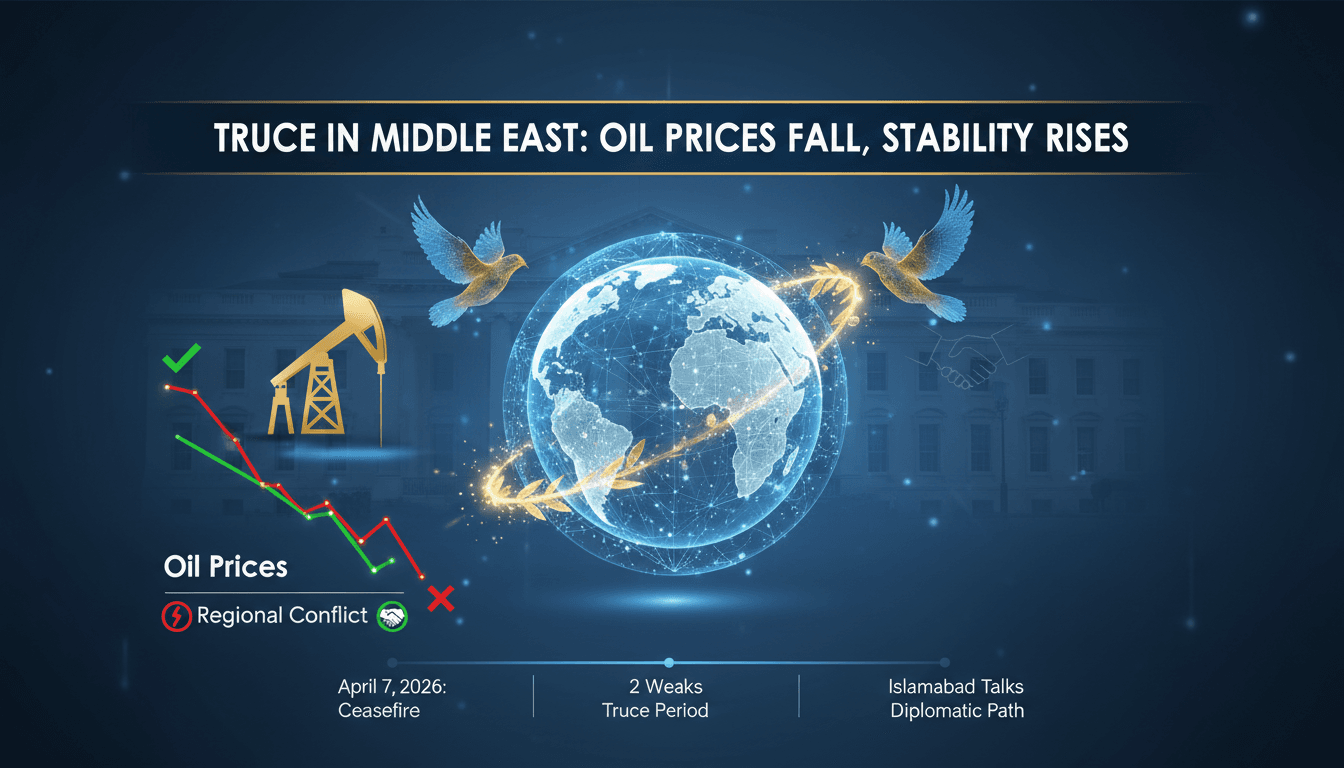
Here's what it means for you.
If you’re in the Gulf region, this truce could ease inflation and stabilize oil prices, impacting your cost of living.
Why it matters
This ceasefire could reshape geopolitical dynamics and economic conditions in the Middle East, affecting global oil markets.
What happened (in 30 seconds)
- Israel agreed to a temporary ceasefire with Iran as part of a two-week truce brokered by the US.
- Iran's Supreme Leader ordered military units to cease fire, while missile launches were intercepted post-announcement.
- US President Trump announced the truce, conditional on Iran reopening the Strait of Hormuz, with negotiations set for Islamabad.
The context you actually need
- The conflict escalated over weeks with aerial strikes and naval disruptions, leading to Iran's closure of the Strait of Hormuz.
- Pakistan's Prime Minister proposed the ceasefire to facilitate diplomacy after US threats of intensified military action.
- Market reactions included a 17% decline in Nymex WTI crude futures following the ceasefire announcement, indicating immediate economic implications.
What's really happening
On April 7, 2026, a senior White House official confirmed that Israel had agreed to a temporary ceasefire with Iran, marking a significant shift in the ongoing conflict that has seen escalating military actions between the two nations. This truce, brokered by the United States and Pakistan, is designed to halt hostilities and create a conducive environment for negotiations. The agreement hinges on Iran's commitment to reopen the Strait of Hormuz, a critical maritime route for global oil shipments.
The ceasefire comes after weeks of intense conflict, where Iranian forces closed the Strait of Hormuz, prompting a series of US ultimatums and Israeli aerial campaigns targeting Iranian military infrastructure. The situation escalated to a point where military operations were becoming increasingly costly for all parties involved, not only in terms of human life but also economically, as global oil prices surged due to fears of supply disruptions.
With the announcement of the ceasefire, both Israel and Iran have signaled a willingness to pause military operations. Israel has agreed to suspend its bombing campaign, while Iran's Supreme Leader has ordered military units to cease fire. However, this does not mean that tensions have dissipated entirely; post-announcement missile launches were intercepted, highlighting the fragile nature of the truce. The ceasefire is active, and military operations are paused pending negotiations, which are set to take place in Islamabad, Pakistan.
The implications of this ceasefire extend beyond immediate military concerns. Economically, the announcement led to a significant drop in oil prices, with Nymex WTI crude futures falling by 17%. This decline is crucial for global markets, especially for countries heavily reliant on oil imports. In the Gulf region, including the UAE and Qatar, residents are likely to experience relief from soaring fuel costs, which had previously been exacerbated by the conflict.
The ceasefire also opens the door for diplomatic engagement, with Pakistan playing a pivotal role in facilitating talks. This could lead to a more stable regional environment, which is essential for economic growth and development in the Middle East. The broader geopolitical landscape may shift as countries reassess their positions and alliances in light of this new development.
Who feels it first (and how)
- Consumers in the Gulf: Expect lower fuel prices and reduced inflation pressures.
- Oil traders and investors: Will see market volatility but potential recovery opportunities as prices stabilize.
- Government officials: Involved in regional diplomacy will need to navigate the new dynamics and potential for future negotiations.
What to watch next
- Negotiation outcomes: The success or failure of talks in Islamabad will significantly influence regional stability.
- Oil price trends: Continued monitoring of crude oil prices will indicate market reactions to the ceasefire and geopolitical developments.
- Military movements: Any resumption of military operations or further escalations could signal a breakdown of the ceasefire.
The ceasefire is currently active and military operations are paused.
Economic conditions in the Gulf will improve with lower fuel prices.
The long-term sustainability of the ceasefire and its impact on regional alliances.
Frequently Asked Questions
- Why it matters?
- This ceasefire could reshape geopolitical dynamics and economic conditions in the Middle East, affecting global oil markets.
- What happened (in 30 seconds)?
- Israel agreed to a temporary ceasefire with Iran as part of a two-week truce brokered by the US. Iran's Supreme Leader ordered military units to cease fire, while missile launches were intercepted post-announcement. US President Trump announced the truce, conditional on Iran reopening the Strait of Hormuz, with negotiations set for Islamabad.
- What's really happening?
- On April 7, 2026, a senior White House official confirmed that Israel had agreed to a temporary ceasefire with Iran, marking a significant shift in the ongoing conflict that has seen escalating military actions between the two nations. This truce, brokered by the United States and Pakistan, is designed to halt hostilities and create a conducive environment for negotiations. The agreement hinges on Iran's commitment to reopen the Strait of Hormuz, a critical maritime route for global oil shipment
- Who feels it first (and how)?
- Consumers in the Gulf: Expect lower fuel prices and reduced inflation pressures. Oil traders and investors: Will see market volatility but potential recovery opportunities as prices stabilize. Government officials: Involved in regional diplomacy will need to navigate the new dynamics and potential for future negotiations.
- What to watch next?
- Negotiation outcomes: The success or failure of talks in Islamabad will significantly influence regional stability. Oil price trends: Continued monitoring of crude oil prices will indicate market reactions to the ceasefire and geopolitical developments. Military movements: Any resumption of military operations or further escalations could signal a breakdown of the ceasefire.
Arabic-language coverage of international news and geopolitics.
"RT Arabic is a Russian state-funded outlet often criticized for promoting Kremlin-aligned narratives."
— A47 Editor
مسؤول أمريكي لشبكة "CNN": إسرائيل وافقت على وقف إطلاق نار مؤقت مع إيران
A senior U.S. official stated to CNN that Israel has agreed to a temporary ceasefire with Iran, as announced by President Donald Trump for a duration of two weeks. This development marks a significant diplomatic engagement between the two nations ami...
Arabic-language digital news outlet covering UAE, regional, and international developments with broad general-news coverage.
"Al Ain News coverage typically blends UAE-focused reporting with wider Arab regional and international news."
— A47 Editor
إسرائيل وإيران توافقان على وقف إطلاق النار
Israel has agreed to a ceasefire with Iran, a decision that has received approval from U.S. President Donald Trump, according to a report by the newspaper 'Israel Hayom' citing a source from the White House.
Arabic-language UAE newspaper coverage focused on domestic affairs, public institutions, business, society, and regional developments.
"Al Khaleej coverage generally reflects a mainstream UAE editorial lens with strong attention to public affairs, institutions, and regional developments."
— A47 Editor
ترامب يوافق على وقف إطلاق النار مع إيران لمدة أسبوعين
On April 7, 2026, U.S. President Donald Trump announced a two-week ceasefire with Iran, following a Pakistani proposal that included Iran's commitment to reopen the strategically vital Strait of Hormuz. This agreement comes just before a deadline Tru...