
Ukraine Deploys Anti-Drone Teams to Gulf States Amid Iranian Attacks
Here's what it means for you.
In the face of rising drone threats, Gulf states are turning to Ukraine for advanced defense solutions, impacting regional security and economic stability.
Why it matters
The demand for Ukraine's anti-drone technology reflects a critical shift in military partnerships and defense strategies in the Gulf region.
What happened (in 30 seconds)
- Ukraine dispatched anti-drone expert teams to Qatar, the UAE, and Saudi Arabia on March 10, 2026.
- President Zelenskyy reported nearly a dozen requests for assistance against Iranian drone strikes targeting Gulf infrastructure.
- Ukrainian companies are showcasing their capabilities amid a broader U.S.-Iran conflict, with interception rates of 80-90%.
The context you actually need
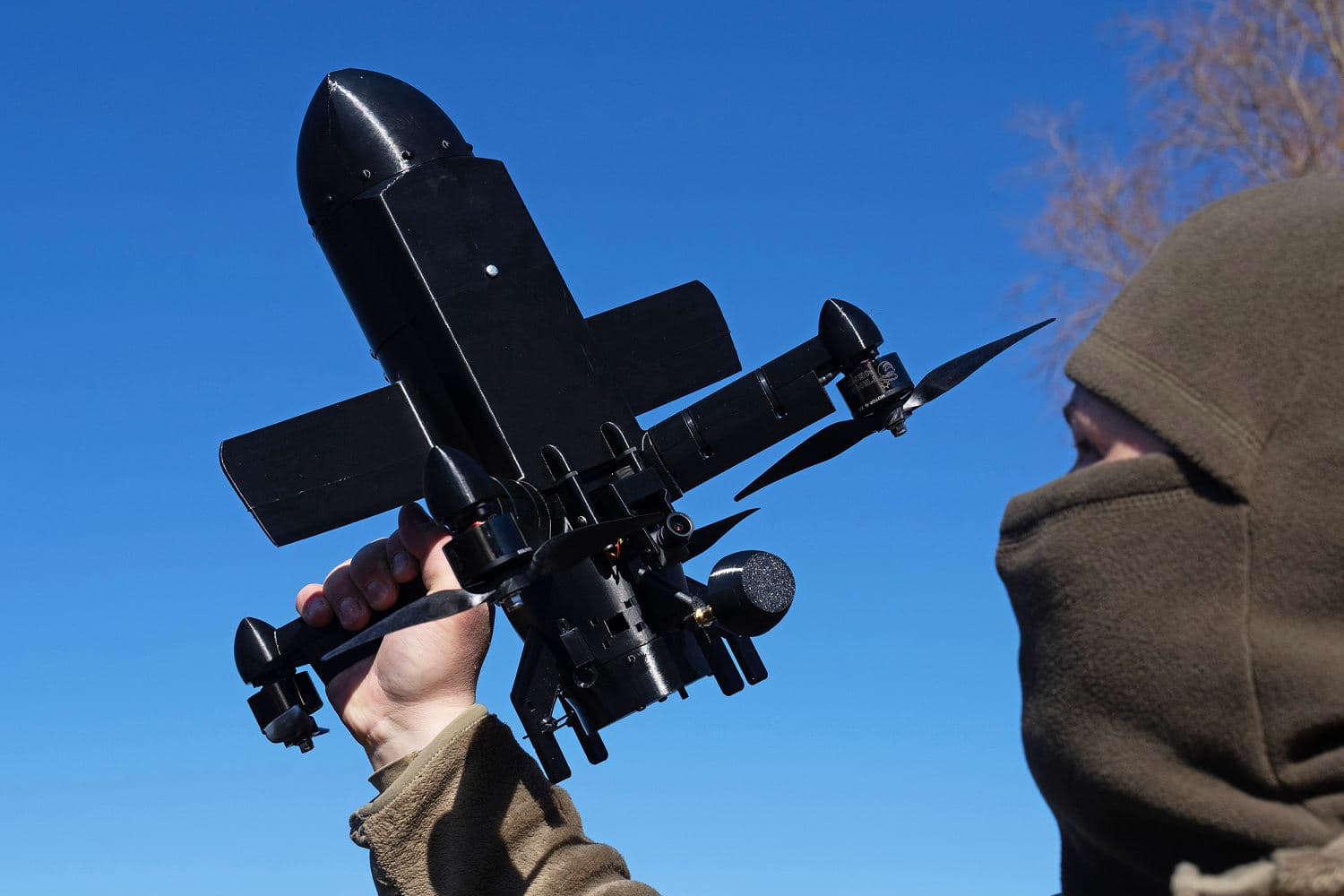
- Ukraine has developed advanced counter-drone capabilities since Russia's invasion in 2022, achieving high interception rates against Iranian-designed drones.
- Iran's drone attacks on Gulf states have escalated, prompting regional nations to seek effective defense solutions from Ukraine.
- U.S. military initiatives like the $1 billion Drone Dominance program align with Ukraine's defense exports, indicating a strategic partnership.
What's really happening
In March 2026, Ukraine's proactive response to escalating Iranian drone threats in the Gulf has positioned it as a pivotal player in regional defense. The deployment of Ukrainian anti-drone expert teams to Qatar, the UAE, and Saudi Arabia marks a significant shift in military collaboration, driven by the urgent need for effective countermeasures against Iranian drone strikes. President Volodymyr Zelenskyy's disclosure of nearly a dozen requests for assistance underscores the growing recognition of Ukraine's advanced capabilities, honed through years of real-world combat experience against Russian Shahed drones.
The backdrop of this development is a complex geopolitical landscape, where Iran's drone attacks have targeted critical infrastructure across the Gulf, including hotels, airports, and residential areas. These strikes are part of a broader strategy amid the ongoing U.S.-Iran conflict, which has heightened security concerns for Gulf states. As a result, nations in the region are increasingly seeking Ukraine's expertise to bolster their defenses. Ukraine's interceptor drones and electronic warfare systems, which boast interception rates of 80-90%, present a cost-effective alternative to traditional missile defenses, making them attractive to countries facing budget constraints.
Moreover, Ukrainian defense firms, such as General Cherry, are ramping up production capabilities, with reports indicating they can produce up to 100,000 drones monthly, including interceptors. This surge in production is not only a response to domestic needs but also a strategic pivot towards international markets, particularly in the Gulf. The integration of Ukrainian protocols into Gulf air defenses signifies a shift towards collaborative security measures, enhancing regional resilience against drone threats.
However, this partnership is not without its challenges. Ukraine has conditioned further assistance on financial and technological reciprocity, emphasizing mutual support in defense strategies. Iran's reaction has been swift, labeling Ukraine a "legitimate target" for its assistance to Israel and Gulf states, indicating potential risks for Ukrainian personnel and interests in the region. Meanwhile, Russia's silence on these developments suggests a cautious observation of the evolving dynamics without direct interference.
As Gulf states integrate Ukrainian technology into their defense frameworks, the implications extend beyond military cooperation. This partnership could reshape regional security alliances, influence defense spending, and alter the balance of power in the Gulf, making it a critical area to watch in the coming months.
Who feels it first (and how)
- Military and Defense Sectors: Increased collaboration and procurement of advanced technologies.
- Government Officials: Heightened security measures and potential shifts in defense budgets.
- Civilian Populations: Enhanced protection against drone strikes, impacting safety and economic stability.
- U.S. Defense Contractors: Opportunities for partnerships and technology transfers with Ukrainian firms.
What to watch next
- Increased Military Collaborations: Monitor further agreements between Ukraine and Gulf states, which could expand defense capabilities.
- Iran's Response: Watch for potential retaliatory actions from Iran against Ukraine or Gulf states, which may escalate tensions.
- U.S. Involvement: Keep an eye on how U.S. defense initiatives align with Ukraine's exports and Gulf state needs, potentially influencing regional security dynamics.
Ukraine has high interception rates and is actively engaging with Gulf states for defense support.
Gulf states will integrate Ukrainian technology into their defense systems, enhancing regional security.
The long-term implications of this partnership on U.S.-Iran relations and regional stability.
Frequently Asked Questions
- Why it matters?
- The demand for Ukraine's anti-drone technology reflects a critical shift in military partnerships and defense strategies in the Gulf region.
- What happened (in 30 seconds)?
- Ukraine dispatched anti-drone expert teams to Qatar, the UAE, and Saudi Arabia on March 10, 2026. President Zelenskyy reported nearly a dozen requests for assistance against Iranian drone strikes targeting Gulf infrastructure. Ukrainian companies are showcasing their capabilities amid a broader U.S.-Iran conflict, with interception rates of 80-90%.
- What's really happening?
- In March 2026, Ukraine's proactive response to escalating Iranian drone threats in the Gulf has positioned it as a pivotal player in regional defense. The deployment of Ukrainian anti-drone expert teams to Qatar, the UAE, and Saudi Arabia marks a significant shift in military collaboration, driven by the urgent need for effective countermeasures against Iranian drone strikes. President Volodymyr Zelenskyy's disclosure of nearly a dozen requests for assistance underscores the growing recognition
- Who feels it first (and how)?
- Military and Defense Sectors: Increased collaboration and procurement of advanced technologies. Government Officials: Heightened security measures and potential shifts in defense budgets. Civilian Populations: Enhanced protection against drone strikes, impacting safety and economic stability. U.S. Defense Contractors: Opportunities for partnerships and technology transfers with Ukrainian firms.
- What to watch next?
- Increased Military Collaborations: Monitor further agreements between Ukraine and Gulf states, which could expand defense capabilities. Iran's Response: Watch for potential retaliatory actions from Iran against Ukraine or Gulf states, which may escalate tensions. U.S. Involvement: Keep an eye on how U.S. defense initiatives align with Ukraine's exports and Gulf state needs, potentially influencing regional security dynamics.
Global business headlines with AI angles.
"General business outlet that frequently covers AI."
— A47 Editor
Ukraine Offers Drone Support to US in Middle East Under One Condition: Access to Advanced Tech and Funding
Ukraine has offered to send three teams to the Middle East to assist the US in countering Iranian drones, contingent upon receiving advanced technology and funding in return. President Zelenskyy emphasized the need for support to bolster Ukraine's ca...
Global news coverage with extensive reporting on Middle Eastern conflicts and geopolitics.
"Al Jazeera is a Qatar-based broadcaster known for wide regional coverage and alternative perspectives."
— A47 Editor
Ukraine eyes money and tech in return for Middle East drone support
Ukraine is seeking financial and technological support from Middle Eastern nations, specifically Qatar, the UAE, and Saudi Arabia, in exchange for assistance in countering Iranian drone threats, as stated by Ukrainian leadership.
Comprehensive coverage of Middle Eastern and global issues.
"Al Jazeera is a prominent voice from the Global South, especially the Middle East, with an emphasis on underreported stories."
— A47 Editor
Ukraine eyes money and tech in return for Middle East drone support
Ukraine is seeking financial and technological support from Middle Eastern nations, specifically Qatar, the UAE, and Saudi Arabia, in exchange for assistance in countering Iranian drone threats, as stated by Ukrainian leadership.
Comprehensive coverage of global events, politics, and international issues.
"NBC News is a mainstream outlet known for comprehensive national and international coverage with a centrist to slightly left-leaning editorial tone."
— A47 Editor
Ukraine's anti-drone tech is in high demand as Iran attacks its neighbors
As tensions escalate in the Middle East, Ukraine's expertise in anti-drone technology is gaining attention, particularly in light of Iranian drone attacks that threaten U.S. and allied defenses. This situation underscores Ukraine's ongoing struggle a...