
Iranian Attacks Disrupt Saudi Oil Production and Pipeline Operations
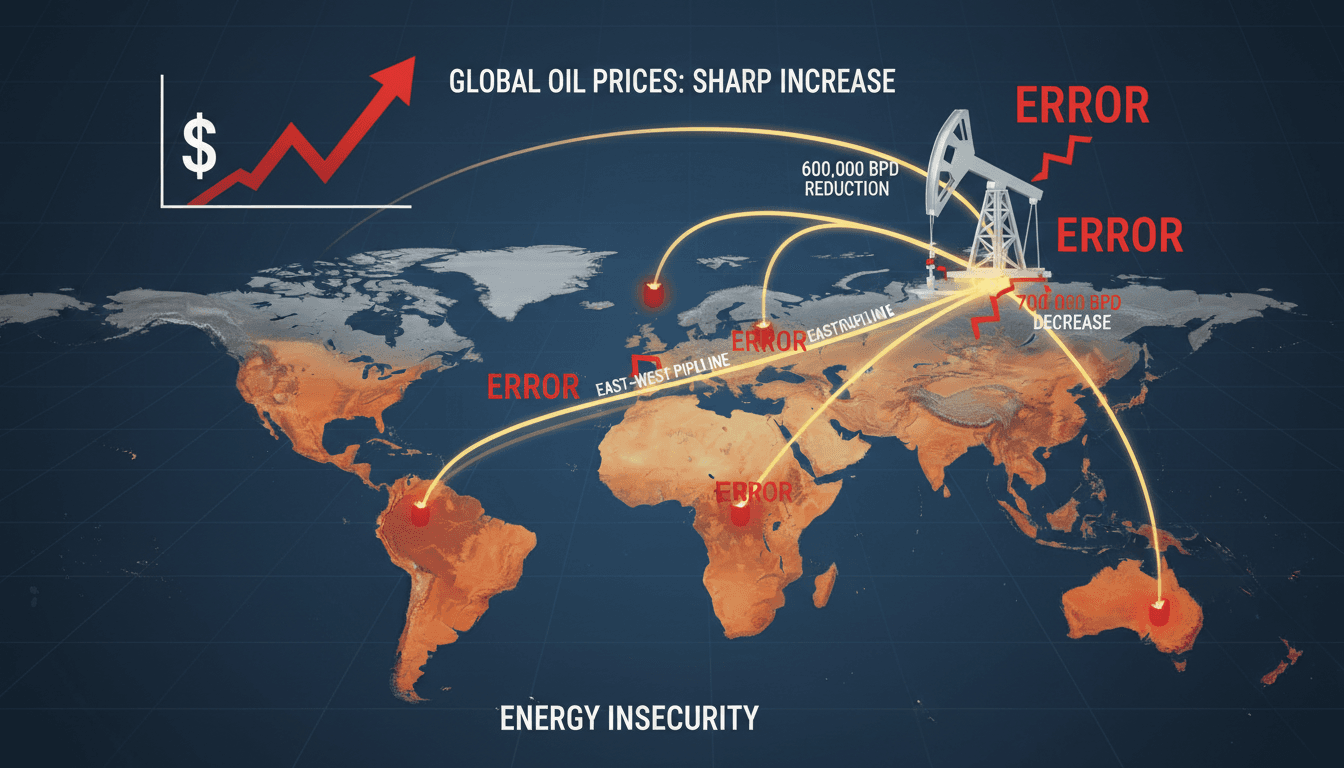
Here's what it means for you.
Rising oil prices and supply disruptions could significantly impact your energy costs and economic stability.
Why it matters
The attacks threaten global energy security and could lead to increased volatility in oil markets.
What happened (in 30 seconds)
- On April 8, 2026, coordinated Iranian attacks reduced Saudi oil production capacity by 600,000 barrels per day and East-West pipeline throughput by 700,000 barrels per day.
- Key facilities affected included the Manifa oilfield, Khurais facility, and several refineries, leading to halted operations and ongoing damage assessments.
- The backdrop involves the ongoing U.S.-Israeli-Iran war, which has escalated tensions and increased the frequency of attacks on Saudi energy infrastructure.
The context you actually need
- The U.S.-Israeli-Iran war, which began in early March 2026, has prompted Iranian retaliatory strikes targeting Saudi Arabia and Gulf states.
- Saudi Arabia's reliance on the East-West pipeline has increased due to Iran's blockade of the Strait of Hormuz, making these attacks particularly damaging.
- Previous incidents included strikes on the Ras Tanura refinery and Khurais facility, which had already reduced Saudi oil output prior to the April 8 attacks.
What's really happening
The recent Iranian attacks on Saudi oil facilities are a direct response to the escalating conflict involving the U.S., Israel, and Iran. Since the onset of hostilities in early March 2026, Iran has strategically targeted Saudi Arabia, viewing it as a key adversary in the region. The attacks on April 8, which included drone strikes on critical infrastructure, underscore the vulnerabilities within Saudi Arabia's energy sector, which has been under siege from Iranian missile and drone campaigns.
The immediate impact of these attacks is a significant reduction in oil production capacity and pipeline throughput, which are crucial for Saudi Arabia's ability to export crude oil. The loss of 600,000 barrels per day in production and 700,000 barrels per day in pipeline throughput not only affects Saudi revenues but also has broader implications for global oil markets. With Brent crude prices already volatile, analysts are projecting potential spikes to $150-$180 per barrel as supply fears mount.
As Saudi Arabia assesses the damage, the energy ministry has warned that continued attacks could deplete inventories and hinder recovery efforts, further threatening global energy security. The situation is compounded by previous production cuts exceeding 2.5 million barrels per day due to export constraints, which have already strained the market.
The geopolitical landscape is also shifting, with regional governments increasing defenses against potential Iranian strikes. The UAE has implemented fuel price hikes, reflecting the immediate economic impact of the conflict. As the situation evolves, the interconnectedness of global oil supply chains means that disruptions in Saudi Arabia can lead to higher prices and increased costs for consumers worldwide.
In summary, the Iranian attacks are not just a regional issue; they have far-reaching consequences that could reshape energy markets and economic stability across the globe.
Who feels it first (and how)
- Consumers: Higher fuel prices and increased living costs, especially in regions reliant on oil imports.
- Energy companies: Increased operational costs and potential supply chain disruptions affecting profitability.
- Governments: Heightened security measures and economic pressures due to rising oil prices and potential inflation.
What to watch next
- Oil price fluctuations: Monitor Brent crude prices for signs of volatility, as spikes could indicate further supply disruptions.
- Geopolitical developments: Watch for any escalation in the U.S.-Israeli-Iran conflict, which could lead to additional attacks or retaliatory measures.
- Saudi recovery efforts: Keep an eye on Saudi Arabia's ability to restore production and pipeline throughput, which will be crucial for stabilizing the market.
The attacks have reduced Saudi oil production and pipeline throughput significantly.
Oil prices will continue to rise amid fears of further disruptions and geopolitical tensions.
The long-term impact on global energy security and market stability remains uncertain.
Frequently Asked Questions
- Why it matters?
- The attacks threaten global energy security and could lead to increased volatility in oil markets.
- What happened (in 30 seconds)?
- On April 8, 2026, coordinated Iranian attacks reduced Saudi oil production capacity by 600,000 barrels per day and East-West pipeline throughput by 700,000 barrels per day. Key facilities affected included the Manifa oilfield, Khurais facility, and several refineries, leading to halted operations and ongoing damage assessments. The backdrop involves the ongoing U.S.-Israeli-Iran war, which has escalated tensions and increased the frequency of attacks on Saudi energy infrastructure.
- What's really happening?
- The recent Iranian attacks on Saudi oil facilities are a direct response to the escalating conflict involving the U.S., Israel, and Iran. Since the onset of hostilities in early March 2026, Iran has strategically targeted Saudi Arabia, viewing it as a key adversary in the region. The attacks on April 8, which included drone strikes on critical infrastructure, underscore the vulnerabilities within Saudi Arabia's energy sector, which has been under siege from Iranian missile and drone campaigns.
- Who feels it first (and how)?
- Consumers: Higher fuel prices and increased living costs, especially in regions reliant on oil imports. Energy companies: Increased operational costs and potential supply chain disruptions affecting profitability. Governments: Heightened security measures and economic pressures due to rising oil prices and potential inflation.
- What to watch next?
- Oil price fluctuations: Monitor Brent crude prices for signs of volatility, as spikes could indicate further supply disruptions. Geopolitical developments: Watch for any escalation in the U.S.-Israeli-Iran conflict, which could lead to additional attacks or retaliatory measures. Saudi recovery efforts: Keep an eye on Saudi Arabia's ability to restore production and pipeline throughput, which will be crucial for stabilizing the market.
Regional coverage and analysis focused on politics, diplomacy, and business across the Middle East.
"Al-Monitor is known for analytical reporting on Middle East politics and policy developments."
— A47 Editor
Attacks cut Saudi oil output and East-West pipeline flow, state news agency says
Recent attacks on Saudi energy facilities have resulted in a significant reduction of the kingdom's oil production capacity by approximately 600,000 barrels per day and a decrease in the flow through the East-West pipeline by about 700,000 barrels pe...
UAE-based English-language newspaper covering regional politics, economics, and global affairs.
"The National reflects Emirati policy perspectives while maintaining international editorial standards."
— A47 Editor
Saudi output capacity cut by 600,000 barrels a day due to Iran war
Saudi Arabia has cut its oil production capacity by approximately 600,000 barrels per day due to recent attacks on its energy infrastructure, which are linked to the ongoing conflict with Iran. This reduction has also affected the flow through the Ea...