
Iranian Cyber Actors Target U.S. Critical Infrastructure Amid Escalating Geopolitical Tensions
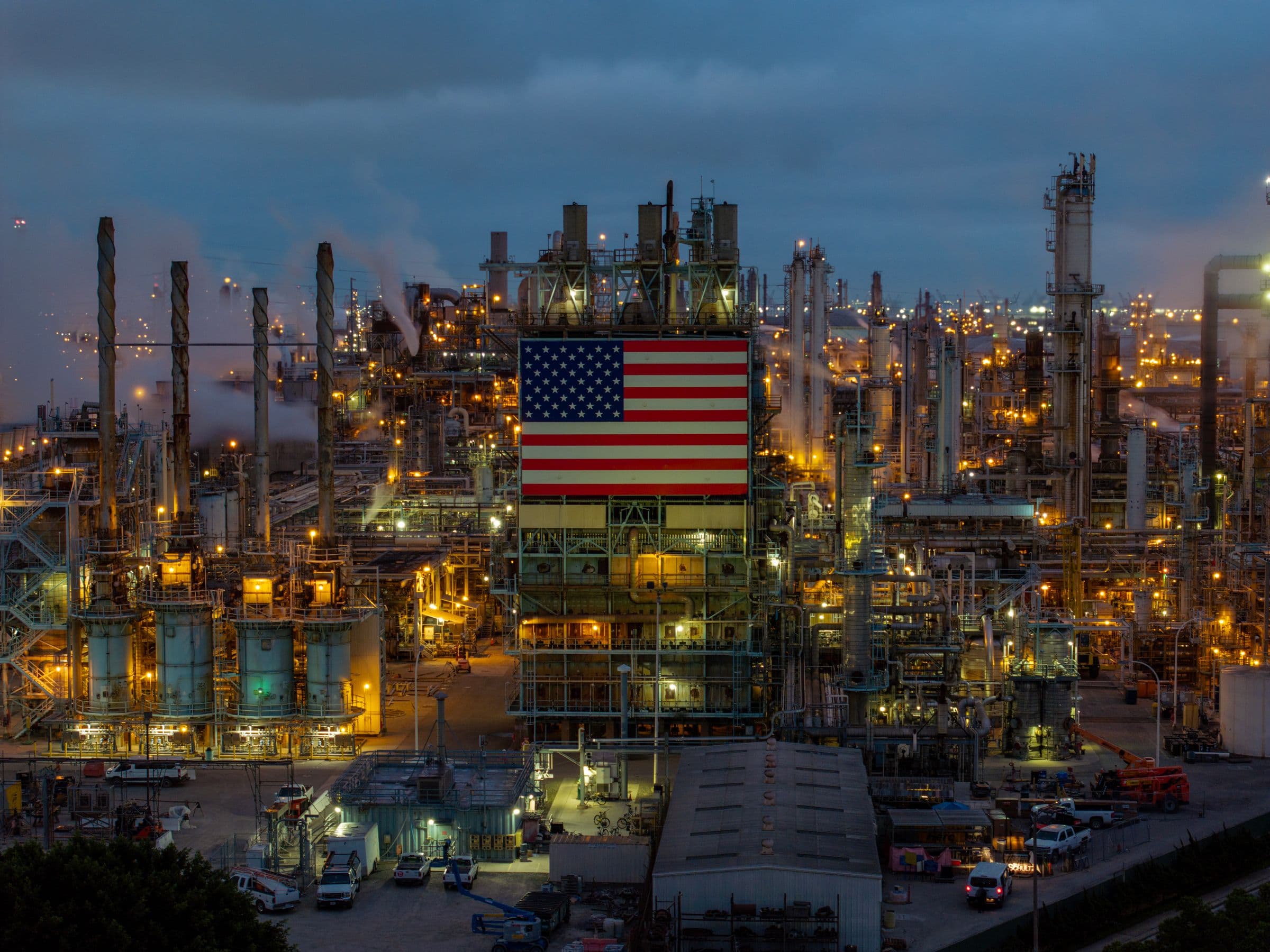
Here's what it means for you.
If you rely on U.S. energy or water services, these cyberattacks could lead to operational disruptions that affect your daily life.
Why it matters
These attacks highlight vulnerabilities in critical infrastructure, raising concerns about national security and economic stability.
What happened (in 30 seconds)
- In March 2026, Iranian-affiliated hackers began targeting U.S. critical infrastructure, exploiting programmable logic controllers (PLCs).
- The attacks escalated amid rising geopolitical tensions, particularly U.S.-Israel military actions against Iran.
- A joint advisory from multiple U.S. agencies was issued on April 7, 2026, warning of ongoing threats and recommending immediate security measures.
The context you actually need
- CyberAv3ngers, a group linked to Iran's Islamic Revolutionary Guard Corps (IRGC), has been active since late 2023, previously compromising at least 75 PLCs worldwide.
- The attacks are part of a broader strategy of asymmetric warfare, where Iran retaliates against U.S. threats through cyber sabotage rather than conventional military action.
- U.S. agencies are responding with urgent advisories and enhanced security protocols to protect critical infrastructure from further exploitation.
What's really happening
In late 2023, the CyberAv3ngers group began targeting Unitronics PLCs, successfully compromising systems in U.S. water facilities, including the Municipal Water Authority of Aliquippa, Pennsylvania. These initial attacks were characterized by the alteration of device configurations to display pro-Palestinian messages, signaling a politically motivated agenda intertwined with technical capabilities. By 2024, the group escalated its operations, deploying IOControl malware against oil and gas sectors, marking a shift from opportunistic attacks to persistent threats.
The situation intensified in early 2026, coinciding with military actions by the U.S. and Israel against Iranian military targets. Following these strikes, Iranian cyber actors shifted their focus to Rockwell Automation/Allen-Bradley PLCs, exploiting vulnerabilities in ports such as 44818 and 22. They utilized Dropbear SSH to manipulate human-machine interfaces and supervisory control and data acquisition (SCADA) data, leading to operational disruptions across energy, water, and government sectors.
On April 7, 2026, a joint advisory was issued by the FBI, CISA, NSA, EPA, DOE, and USCYBERCOM, detailing indicators of compromise and recommended mitigations. This advisory emphasized the urgency of isolating PLCs from the internet, implementing firmware updates, and adopting multifactor authentication to safeguard against further attacks. The advisory also highlighted specific IP addresses and ports associated with the ongoing threats, urging municipalities and utilities to secure their Rockwell devices.
While no widespread outages have been reported yet, the potential for escalation remains high, especially given President Trump's continued threats against Iranian infrastructure. The financial implications of these attacks are significant, with cybersecurity firms like Dragos responding to multiple incidents since the onset of the U.S.-Iran conflict. The market for Rockwell Automation devices may also face impacts as organizations reassess their cybersecurity posture in light of these vulnerabilities.
Who feels it first (and how)
- Utility companies: Increased operational costs and potential disruptions in service delivery.
- Cybersecurity firms: Heightened demand for security solutions and incident response services.
- Government agencies: Increased scrutiny and pressure to enhance national security measures.
- Consumers: Possible service interruptions and rising costs for utilities due to enhanced security measures.
What to watch next
- Future advisories from U.S. agencies: Monitoring for updates on threats and recommended security measures will be crucial for stakeholders.
- Market responses from cybersecurity firms: Watch for shifts in stock prices and service demand as companies react to the evolving threat landscape.
- Geopolitical developments: Changes in U.S.-Iran relations and military actions could further influence the frequency and severity of cyberattacks.
Iranian-affiliated hackers are actively targeting U.S. critical infrastructure.
Further escalations in cyberattacks as geopolitical tensions continue.
The full extent of potential disruptions and their long-term impacts on U.S. infrastructure.
Frequently Asked Questions
- Why it matters?
- These attacks highlight vulnerabilities in critical infrastructure, raising concerns about national security and economic stability.
- What happened (in 30 seconds)?
- In March 2026, Iranian-affiliated hackers began targeting U.S. critical infrastructure, exploiting programmable logic controllers (PLCs). The attacks escalated amid rising geopolitical tensions, particularly U.S.-Israel military actions against Iran. A joint advisory from multiple U.S. agencies was issued on April 7, 2026, warning of ongoing threats and recommending immediate security measures.
- What's really happening?
- In late 2023, the CyberAv3ngers group began targeting Unitronics PLCs, successfully compromising systems in U.S. water facilities, including the Municipal Water Authority of Aliquippa, Pennsylvania. These initial attacks were characterized by the alteration of device configurations to display pro-Palestinian messages, signaling a politically motivated agenda intertwined with technical capabilities. By 2024, the group escalated its operations, deploying IOControl malware against oil and gas secto
- Who feels it first (and how)?
- Utility companies: Increased operational costs and potential disruptions in service delivery. Cybersecurity firms: Heightened demand for security solutions and incident response services. Government agencies: Increased scrutiny and pressure to enhance national security measures. Consumers: Possible service interruptions and rising costs for utilities due to enhanced security measures.
- What to watch next?
- Future advisories from U.S. agencies: Monitoring for updates on threats and recommended security measures will be crucial for stakeholders. Market responses from cybersecurity firms: Watch for shifts in stock prices and service demand as companies react to the evolving threat landscape. Geopolitical developments: Changes in U.S.-Iran relations and military actions could further influence the frequency and severity of cyberattacks.
Curated tech headlines including AI stories.
"Influential aggregator surfacing the day’s top tech/AI links."
— A47 Editor
A group of US agencies including the FBI and the NSA warns that Iran-linked hackers have targeted industrial control devices used in US critical infrastructure (Andy Greenberg/Wired)
A coalition of U.S. agencies, including the FBI and NSA, has issued a warning regarding cyberattacks by Iranian hackers targeting industrial control devices critical to U.S. infrastructure. This alert highlights the ongoing digital threats posed by s...
National headlines across the United States including breaking stories and societal issues.
"NBC News is a mainstream media outlet known for comprehensive national and international news coverage with a centrist to slightly left-leaning editorial tone."
— A47 Editor
Iranian hackers are breaking into U.S. industrial systems, agencies warn
Federal agencies have issued warnings that Iranian hackers are infiltrating U.S. industrial control systems, posing a significant threat to American infrastructure. This activity is part of a broader pattern of cyberattacks aimed at critical infrastr...
Emerging technologies, digital transformation, IT, and cultural impact of tech.
"WIRED covers the intersection of technology, culture, and politics with a progressive, forward-looking editorial stance."
— A47 Editor
Iran-Linked Hackers Are Sabotaging US Energy and Water Infrastructure
Iranian-linked hackers have intensified their cyber operations against U.S. critical infrastructure, including energy and water systems, coinciding with rising tensions following threats from President Trump to target Iranian infrastructure. This esc...
Regional coverage and analysis focused on politics, diplomacy, and business across the Middle East.
"Al-Monitor is known for analytical reporting on Middle East politics and policy developments."
— A47 Editor
Iranian hackers' targeting of US critical infrastructure has escalated since start of war, US says
U.S. cybersecurity, law enforcement, and intelligence agencies reported an escalation in Iranian hacking campaigns targeting critical infrastructure in the U.S. since the onset of hostilities between the U.S. and Iran. The hackers are focusing on pub...