
WPP, Dentsu, and Publicis Settle Antitrust Claims with U.S. FTC Over Ad Restrictions on Conservative Media
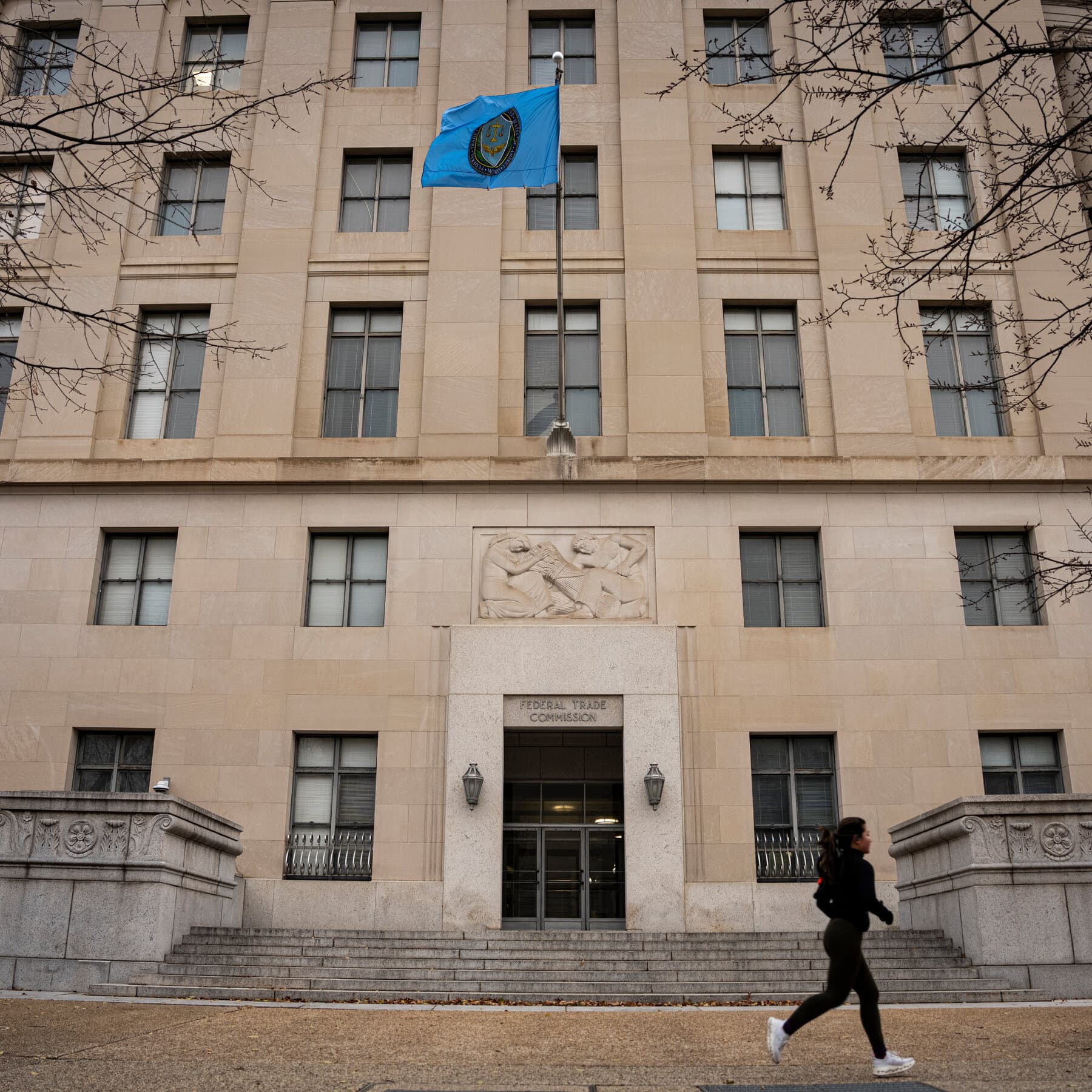
Here's what it means for you.
If you work in digital advertising or media, this settlement could reshape how political content is monetized online.
Why it matters
This settlement addresses anticompetitive practices that have distorted the digital advertising landscape, impacting how content is funded and consumed.
What happened (in 30 seconds)
- On April 15, 2026, WPP, Dentsu, and Publicis reached a settlement with the FTC over allegations of collusion to limit ads on conservative websites.
- The U.S. District Court finalized the settlement, prohibiting coordinated restrictions on political content ads.
- Eight states joined the FTC in the enforcement action, highlighting a broader concern over digital ad practices.
The context you actually need
- Allegations date back to 2018, when major ad agencies began coordinating brand safety standards that disproportionately affected conservative publishers.
- The FTC's investigation intensified amid complaints of online censorship, leading to scrutiny of mergers and ad practices in the digital space.
- The settlement reflects a shift in how political content is treated in advertising, potentially allowing for greater revenue opportunities for previously demonetized sites.
What's really happening
The antitrust settlement between WPP, Dentsu, and Publicis with the FTC marks a significant moment in the ongoing debate over digital advertising practices and political content. The allegations against these major advertising agencies stem from their coordinated efforts, initiated in 2018, to impose brand safety standards that effectively restricted ad placements on conservative websites. This was done through trade associations like the Global Alliance for Responsible Media (GARM) and the Advertiser Protection Bureau (APB), which established uniform guidelines targeting misinformation.
These standards were influenced by organizations such as NewsGuard and the Global Disinformation Index, leading to the demonetization of several conservative outlets, including Breitbart. The implications of these practices were profound, as they not only limited revenue for these publishers but also raised questions about the fairness and transparency of the digital advertising ecosystem. The FTC's investigation, which intensified in the wake of complaints from the Trump administration regarding online censorship, highlighted the need for a more competitive and equitable marketplace for digital ads.
The settlement, finalized by the U.S. District Court for the Northern District of Texas, prohibits the involved agencies from coordinating restrictions on ad placements based on political content or misinformation designations. This is a critical step towards restoring competition in the digital news ecosystem, as stated by FTC Chairman Andrew N. Ferguson. The settlement also reflects a broader trend of regulatory scrutiny over the practices of major advertising firms and their influence on the marketplace of ideas.
While the immediate market shifts remain unclear, the potential for increased ad revenue on previously restricted conservative sites is significant. Conservative outlets have hailed the settlement as a victory against censorship, anticipating a resurgence in ad placements that could bolster their financial viability. However, the dissolution of related GARM initiatives amid lawsuits suggests that the landscape of digital advertising will continue to evolve, with ongoing debates about the balance between brand safety and free expression.
Who feels it first (and how)
- Conservative publishers: Likely to see an increase in ad revenue as restrictions are lifted.
- Digital advertisers: May need to adjust strategies to accommodate new guidelines on political content.
- Regulatory bodies: Increased scrutiny on advertising practices could lead to more investigations and settlements.
What to watch next
- Changes in ad revenue: Monitor how conservative publishers adapt to the new landscape and whether ad placements increase.
- Regulatory actions: Watch for further investigations into other advertising agencies and their practices regarding political content.
- Market responses: Observe how digital advertisers adjust their strategies in light of the settlement and any shifts in consumer behavior.
The settlement prohibits coordinated restrictions on political content ads.
Increased ad revenue for conservative publishers as restrictions are lifted.
The long-term impact on the digital advertising ecosystem and potential future regulatory actions.
Frequently Asked Questions
- Why it matters?
- This settlement addresses anticompetitive practices that have distorted the digital advertising landscape, impacting how content is funded and consumed.
- What happened (in 30 seconds)?
- On April 15, 2026, WPP, Dentsu, and Publicis reached a settlement with the FTC over allegations of collusion to limit ads on conservative websites. The U.S. District Court finalized the settlement, prohibiting coordinated restrictions on political content ads. Eight states joined the FTC in the enforcement action, highlighting a broader concern over digital ad practices.
- What's really happening?
- The antitrust settlement between WPP, Dentsu, and Publicis with the FTC marks a significant moment in the ongoing debate over digital advertising practices and political content. The allegations against these major advertising agencies stem from their coordinated efforts, initiated in 2018, to impose brand safety standards that effectively restricted ad placements on conservative websites. This was done through trade associations like the Global Alliance for Responsible Media (GARM) and the Adve
- Who feels it first (and how)?
- Conservative publishers: Likely to see an increase in ad revenue as restrictions are lifted. Digital advertisers: May need to adjust strategies to accommodate new guidelines on political content. Regulatory bodies: Increased scrutiny on advertising practices could lead to more investigations and settlements.
- What to watch next?
- Changes in ad revenue: Monitor how conservative publishers adapt to the new landscape and whether ad placements increase. Regulatory actions: Watch for further investigations into other advertising agencies and their practices regarding political content. Market responses: Observe how digital advertisers adjust their strategies in light of the settlement and any shifts in consumer behavior.
In-depth coverage of hardware, software, science, and policy.
"Ars Technica provides expert technology news, hardware reviews, and analysis for a technically savvy audience."
— A47 Editor
Ad firms settle with Trump FTC over claims they boycotted conservative media
The Federal Trade Commission (FTC) has reached a settlement with major advertising firms, addressing allegations that they collectively avoided advertising on platforms like X, previously known as Twitter, due to perceived political biases. This sett...
In-depth reporting on tech, policy, and science including AI.
"Respected analysis for technically savvy readers, including AI topics."
— A47 Editor
Ad firms settle with Trump FTC over claims they boycotted conservative media
The Federal Trade Commission (FTC) has reached a settlement with major advertising firms, addressing allegations that they collectively avoided advertising on platforms like X, previously known as Twitter, due to perceived political biases. This sett...
Market-moving headlines impacting equities, bonds, and related risk assets.
"Real-time catalysts and volatility drivers across indices and sectors."
— A47 Editor
Big ad agencies settle US FTC probe into alleged boycott over political content
Big advertising agencies have reached a settlement with the US Federal Trade Commission (FTC) regarding an investigation into alleged boycotts of political content. This inquiry focused on claims that these firms misallocated client funds, diverting ...
Consumer tech and culture with frequent AI coverage.
"Influential tech outlet covering AI products and policy."
— A47 Editor
FTC pushes ad agencies into dropping brand safety rules
The Federal Trade Commission (FTC) has proposed a settlement with major advertising agencies, preventing them from collectively avoiding platforms like X due to political biases. This action follows allegations that these agencies violated antitrust ...
Tech news, reviews, and analysis of consumer electronics, science, art, and culture.
"The Verge is a technology-focused media outlet known for in-depth reporting, product reviews, and coverage of the intersection between technology and culture."
— A47 Editor
FTC pushes ad agencies into dropping brand safety rules
The Federal Trade Commission (FTC) has proposed a settlement with major advertising agencies, preventing them from collectively avoiding platforms like X due to political biases. This action follows allegations that these agencies violated antitrust ...
Curated tech headlines including AI stories.
"Influential aggregator surfacing the day’s top tech/AI links."
— A47 Editor
WPP, Dentsu, and Publicis settle with the FTC over claims they colluded on misinformation policies that denied ad revenue to conservative publishers (David McCabe/New York Times)
WPP, Dentsu, and Publicis have reached a settlement with the Federal Trade Commission (FTC) regarding allegations of collusion to deny advertising revenue to conservative publishers, which has raised concerns about the impact of misinformation polici...
Tech industry coverage with AI angles.
"Mainstream tech news intersecting with AI policy and culture."
— A47 Editor
Ad Companies Settle With F.T.C. Over Claims of Harm to Conservative Sites
WPP, Dentsu, and Publicis have reached a settlement with the Federal Trade Commission (FTC) over allegations that they colluded to deny advertising revenue to conservative publishers, impacting their financial viability. The settlement addresses clai...
Tech policy, trends, and innovation news.
"The New York Times is a globally recognized newspaper offering authoritative reporting with a center-left editorial stance."
— A47 Editor
Ad Companies Settle With F.T.C. Over Claims of Harm to Conservative Sites
WPP, Dentsu, and Publicis have reached a settlement with the Federal Trade Commission (FTC) over allegations that they colluded to deny advertising revenue to conservative publishers, impacting their financial viability. The settlement addresses clai...
U.S. business news, corporate developments, and economy.
"The Wall Street Journal is respected for deep financial and economic reporting with a center-right editorial perspective."
— A47 Editor
FTC, Ad Companies Agree to Settlement Terms in Boycott Probe
The Federal Trade Commission (FTC) has reached settlement terms with advertising companies following an investigation into allegations that these firms were diverting client funds away from specific media platforms. This inquiry, which began last yea...