
Iran Imposes Cryptocurrency Tolls on Oil Tankers in Strait of Hormuz During Ceasefire
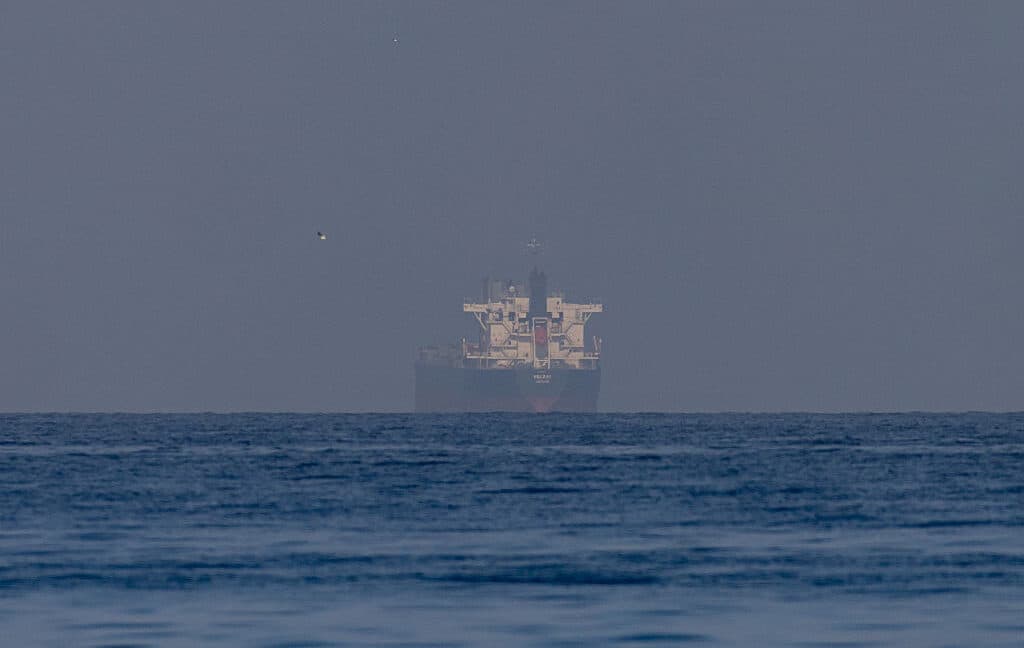
Here's what it means for you.
If you rely on global oil markets, be prepared for potential price fluctuations and supply chain disruptions.
Why it matters
The Strait of Hormuz is a critical chokepoint for global oil trade, and Iran's toll policy could reshape maritime economics.
What happened (in 30 seconds)
- On April 8, 2026, Iran mandated a toll of $1 per barrel in cryptocurrency for oil tankers transiting the Strait of Hormuz.
- This policy is enforced by Iran's Supreme National Security Council and the Islamic Revolutionary Guard Corps, with compliance monitored closely.
- The toll is part of a broader strategy to assert control over a key maritime route amid ongoing geopolitical tensions.
The context you actually need
- The Strait of Hormuz facilitates approximately 20-25% of global seaborne oil trade, making it a vital artery for energy supplies.
- Iran's move follows a ceasefire agreement amid escalating tensions with the U.S. and Israel, aiming to formalize control over maritime transit.
- The policy reflects Iran's efforts to navigate international sanctions and maintain economic viability through innovative payment methods.
What's really happening
Iran's decision to impose cryptocurrency tolls on oil tankers is a calculated maneuver that underscores its strategic interests in the Strait of Hormuz. This waterway is not just a transit route; it is a geopolitical flashpoint that facilitates around 20.9 million barrels of oil per day, accounting for a significant portion of global petroleum consumption. By mandating tolls, Iran is asserting its authority over a critical maritime passage while also adapting to the realities of international sanctions that limit its access to traditional financial systems.
The tolls are enforced by the Islamic Revolutionary Guard Corps, which has a vested interest in controlling maritime traffic in the region. This enforcement mechanism includes stringent monitoring of all vessels, particularly to prevent any unauthorized arms transfers. The requirement for tankers to pay in cryptocurrency, such as Bitcoin, is particularly noteworthy. It allows Iran to circumvent traditional banking systems that are susceptible to sanctions tracing, thereby enhancing its financial autonomy.
The backdrop to this policy is a complex web of regional tensions, particularly following U.S.-Israeli airstrikes on Iranian positions. The ceasefire announced on April 7, 2026, was a temporary reprieve, but Iran's insistence on tolls indicates a desire to formalize its control over the Strait. This move aligns with Iran's broader strategy of leveraging its geographical position to negotiate from a place of strength, especially as global energy demands continue to rise.
The immediate impact of this policy has been a significant reduction in maritime traffic through the Strait, with daily transits plummeting from approximately 135 ships to just 10-15. This has created a backlog of vessels, with estimates of 300-400 ships waiting to pass, carrying around 175 million barrels of oil. The economic implications are profound, not just for Iran but for global oil markets, as shipping costs and fuel prices are likely to rise in response to these disruptions.
As the situation evolves, the balance of power in the region may shift, particularly with OPEC+ dynamics coming into play. The tolls could also lead to increased shipping rates, further straining global supply chains and impacting oil prices worldwide.
Who feels it first (and how)
- Oil tanker operators: Face increased costs and logistical challenges due to tolls and monitoring.
- Energy markets: Price volatility may rise as supply disruptions become more frequent.
- UAE and Gulf states: Concerned about Iranian control, which could affect their own oil exports and regional stability.
- Shipping companies: Companies like Maersk may delay services, impacting global trade routes and costs.
What to watch next
- Compliance with tolls: Monitor how many tankers comply with the tolls and the impact on shipping rates.
- Geopolitical developments: Watch for any shifts in U.S. or Israeli military actions that could escalate tensions in the region.
- OPEC+ responses: Keep an eye on how OPEC+ adjusts its production strategies in response to changing dynamics in the Strait of Hormuz.
Iran's toll policy is enforced and has immediate implications for oil tanker operations.
Shipping costs and oil prices will rise due to increased transit fees and potential supply chain disruptions.
The long-term effectiveness of Iran's toll strategy in maintaining control over the Strait amid international pressures.
Frequently Asked Questions
- Why it matters?
- The Strait of Hormuz is a critical chokepoint for global oil trade, and Iran's toll policy could reshape maritime economics.
- What happened (in 30 seconds)?
- On April 8, 2026, Iran mandated a toll of $1 per barrel in cryptocurrency for oil tankers transiting the Strait of Hormuz. This policy is enforced by Iran's Supreme National Security Council and the Islamic Revolutionary Guard Corps, with compliance monitored closely. The toll is part of a broader strategy to assert control over a key maritime route amid ongoing geopolitical tensions.
- What's really happening?
- Iran's decision to impose cryptocurrency tolls on oil tankers is a calculated maneuver that underscores its strategic interests in the Strait of Hormuz. This waterway is not just a transit route; it is a geopolitical flashpoint that facilitates around 20.9 million barrels of oil per day, accounting for a significant portion of global petroleum consumption. By mandating tolls, Iran is asserting its authority over a critical maritime passage while also adapting to the realities of international sa
- Who feels it first (and how)?
- Oil tanker operators: Face increased costs and logistical challenges due to tolls and monitoring. Energy markets: Price volatility may rise as supply disruptions become more frequent. UAE and Gulf states: Concerned about Iranian control, which could affect their own oil exports and regional stability. Shipping companies: Companies like Maersk may delay services, impacting global trade routes and costs.
- What to watch next?
- Compliance with tolls: Monitor how many tankers comply with the tolls and the impact on shipping rates. Geopolitical developments: Watch for any shifts in U.S. or Israeli military actions that could escalate tensions in the region. OPEC+ responses: Keep an eye on how OPEC+ adjusts its production strategies in response to changing dynamics in the Strait of Hormuz.
In-depth reporting on tech, policy, and science including AI.
"Respected analysis for technically savvy readers, including AI topics."
— A47 Editor
Tankers passing through Strait of Hormuz will have to pay cryptocurrency toll
Iran has announced that all tankers passing through the Strait of Hormuz will be required to pay a toll in cryptocurrency, with the amount determined based on the cargo revealed by the vessels. This move comes amid ongoing geopolitical tensions and a...
In-depth coverage of hardware, software, science, and policy.
"Ars Technica provides expert technology news, hardware reviews, and analysis for a technically savvy audience."
— A47 Editor
Tankers passing through Strait of Hormuz will have to pay cryptocurrency toll
Iran has announced that all tankers passing through the Strait of Hormuz will be required to pay a toll in cryptocurrency, with the amount determined based on the cargo revealed by the vessels. This move comes amid ongoing geopolitical tensions and a...
Covers blockchain, cryptocurrency news, project analysis, and market insights.
"Cointelegraph is a leading crypto-focused media outlet known for timely news, analysis, and educational content related to blockchain and digital assets."
— A47 Editor
Iran weighing crypto tolls for ships using Strait of Hormuz: Report
Iran is reportedly considering implementing a toll system for ships transiting the Strait of Hormuz, charging $1 per barrel of oil in Bitcoin, as part of a deal with the United States. This move allows empty tankers to pass without fees while imposin...
Editor-curated FT homepage stories spanning markets, business, world, and opinion.
"The Financial Times is a globally respected business publication with a centrist/center-left tone and strong markets focus."
— A47 Editor
Iran demands crypto fees for ships passing Hormuz during ceasefire
Iran's oil exporters' union has announced that ships passing through the Strait of Hormuz during a two-week ceasefire with the United States will be required to pay tolls in cryptocurrency, with vessels monitored for weapons. This development comes a...
Tech startup news, programming trends, and discussions shared by the developer community.
"Hacker News is a community-driven source highlighting influential tech discussions, startup launches, and programming insights."
— A47 Editor
Iran demands Bitcoin fees for ships passing Hormuz during ceasefire
Iran has announced that it will require Bitcoin fees for ships passing through the Strait of Hormuz during a two-week ceasefire, a move that underscores the country's growing reliance on cryptocurrency amid ongoing geopolitical tensions.
Research, news, and analysis on blockchain startups, DeFi, and regulations.
"Crypto Briefing provides research, news, and analysis on blockchain startups, DeFi, and crypto regulations with investor-focused coverage."
— A47 Editor
Iran demands Bitcoin, crypto payments for Strait of Hormuz passage: FT
Iran has demanded that vessels passing through the strategically vital Strait of Hormuz pay tolls in Bitcoin or other cryptocurrencies, a move that could significantly disrupt global shipping routes and impact oil prices. This demand comes amid ongoi...
Covers blockchain, cryptocurrency news, project analysis, and market insights.
"CoinDesk is a well-established cryptocurrency and blockchain news provider, offering comprehensive insights, market data, and industry research."
— A47 Editor
Iran eyes crypto toll for oil tanker transits through Strait of Hormuz, according to FT
Iran has announced plans to collect cryptocurrency and other digital payments as transit fees from fully loaded oil tankers passing through the strategically significant Strait of Hormuz. This decision reflects Iran's adaptation to the evolving finan...