
US Vice President JD Vance Acknowledges Fragile Iran Ceasefire Amid Trump Pressure for Progress
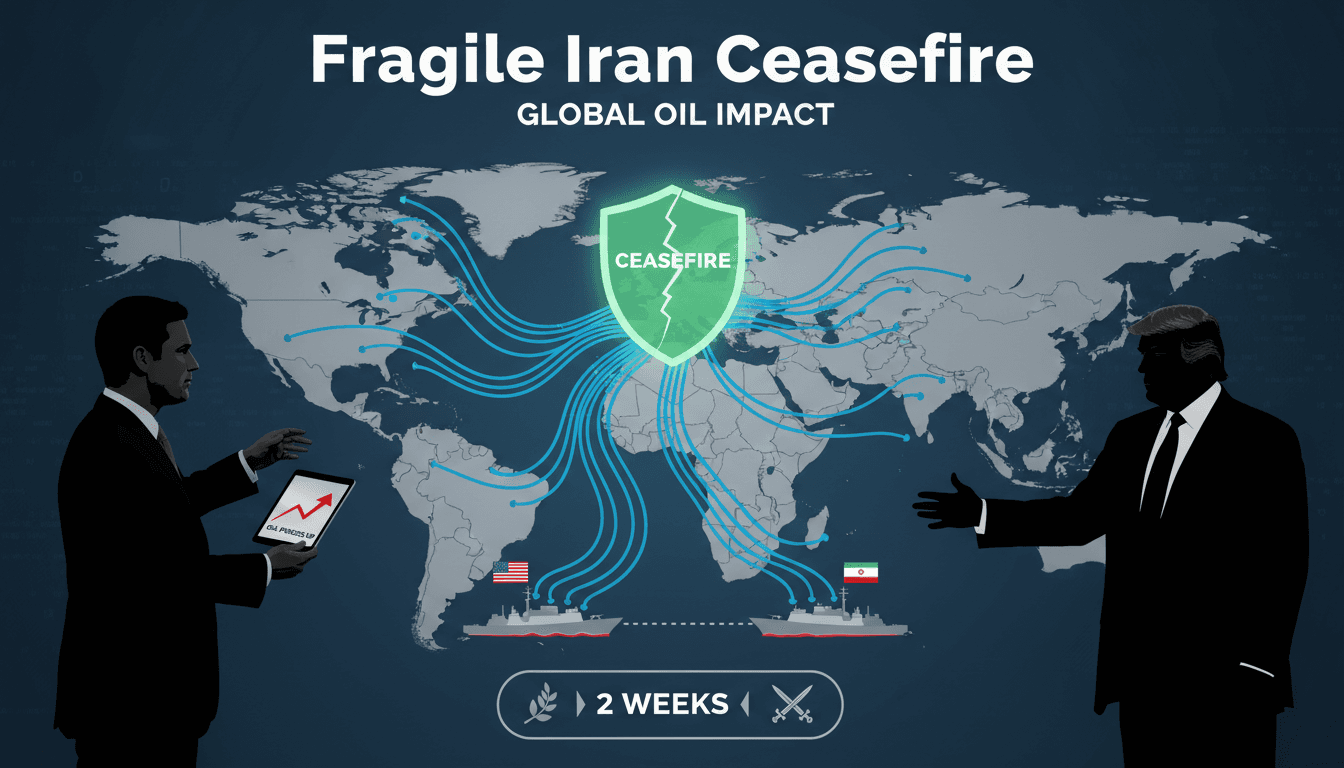
Here's what it means for you.
If you rely on global oil markets, the recent ceasefire could stabilize prices and impact your fuel costs.
Why it matters
The ceasefire agreement between the U.S., Israel, and Iran directly influences global oil supply and security in the Strait of Hormuz, a critical shipping lane.
What happened (in 30 seconds)
- Vice President JD Vance announced a fragile two-week ceasefire between the U.S., Israel, and Iran on April 8, 2026.
- President Trump urged Iran to engage in good faith negotiations or face military action, emphasizing the urgency of the situation.
- Iran agreed to reopen the Strait of Hormuz for international shipping, a move aimed at de-escalating tensions after weeks of conflict.
The context you actually need
- The ceasefire follows a military campaign initiated by the U.S. and Israel against Iran, targeting its nuclear and military capabilities.
- Negotiations were mediated by Pakistan, which played a crucial role in bridging gaps between the conflicting parties.
- Regional tensions have escalated due to missile threats and military actions, impacting Gulf states and their security measures.
What's really happening
The fragile ceasefire between the U.S., Israel, and Iran marks a significant moment in Middle Eastern geopolitics, reflecting a complex interplay of military, economic, and diplomatic factors. Following a series of aggressive military actions initiated by the U.S. and Israel against Iran's nuclear facilities and military assets, the situation reached a boiling point. The closure of the Strait of Hormuz by Iran had severe implications for global oil supply, as approximately 20% of the world's oil passes through this narrow waterway.
President Trump's ultimatum for Iran to reopen the Strait of Hormuz was a critical moment that catalyzed the ceasefire. The urgency of the situation was underscored by the potential for renewed military action, which could have led to catastrophic consequences not only for the region but also for global markets. The mediation by Pakistan's Prime Minister Shehbaz Sharif was pivotal, as it facilitated a rapid agreement just hours before Trump's deadline, highlighting the importance of diplomatic channels in conflict resolution.
The ceasefire agreement includes Iran's commitment to manage safe passage through the Strait of Hormuz under its military oversight. This development is crucial for international shipping and trade, as it alleviates immediate fears of disruption in oil supply. Following the announcement, global markets reacted positively, with U.S. crude oil futures dropping by 14.3%, indicating a decrease in market anxiety regarding oil supply disruptions.
However, the ceasefire is described as "fragile," reflecting the underlying tensions that remain. While Iran framed the deal as a victory, asserting a 10-point peace plan, the reality is that the situation is still volatile. Israel's continued military operations against Hezbollah and the exclusion of Lebanon from the ceasefire indicate that hostilities may not be fully resolved. The broader implications of this ceasefire extend beyond immediate military concerns; they touch on global economic stability, energy prices, and the geopolitical landscape of the Middle East.
As negotiations move to Islamabad, the outcome will depend on the willingness of all parties to engage in good faith. The pressure from the U.S. and the impatience expressed by President Trump may lead to further escalations if progress is not made. The dynamics of this ceasefire will likely influence future U.S. foreign policy in the region and impact global energy markets significantly.
Who feels it first (and how)
- Oil traders: Immediate fluctuations in oil prices will affect trading strategies and profit margins.
- Consumers: Changes in fuel prices will impact transportation costs and consumer spending.
- Businesses in Dubai: As a global trade hub, any stabilization in oil shipping lanes will enhance trade and economic activity.
- Governments: Regional governments will need to reassess their security and diplomatic strategies in light of the ceasefire.
What to watch next
- Negotiation outcomes in Islamabad: The success or failure of talks will determine the longevity of the ceasefire and its implications for regional stability.
- Oil price trends: Continued monitoring of oil prices will indicate market reactions to the ceasefire and broader geopolitical developments.
- Military actions by Israel: Any renewed strikes or military operations could signal a breakdown of the ceasefire and escalate tensions once again.
The ceasefire is currently in effect for two weeks, and Iran has agreed to reopen the Strait of Hormuz.
Continued military tensions in the region, particularly involving Israel and Iran, may persist despite the ceasefire.
The long-term sustainability of the ceasefire and its impact on U.S.-Iran relations remains uncertain.
Frequently Asked Questions
- Why it matters?
- The ceasefire agreement between the U.S., Israel, and Iran directly influences global oil supply and security in the Strait of Hormuz, a critical shipping lane.
- What happened (in 30 seconds)?
- Vice President JD Vance announced a fragile two-week ceasefire between the U.S., Israel, and Iran on April 8, 2026. President Trump urged Iran to engage in good faith negotiations or face military action, emphasizing the urgency of the situation. Iran agreed to reopen the Strait of Hormuz for international shipping, a move aimed at de-escalating tensions after weeks of conflict.
- What's really happening?
- The fragile ceasefire between the U.S., Israel, and Iran marks a significant moment in Middle Eastern geopolitics, reflecting a complex interplay of military, economic, and diplomatic factors. Following a series of aggressive military actions initiated by the U.S. and Israel against Iran's nuclear facilities and military assets, the situation reached a boiling point. The closure of the Strait of Hormuz by Iran had severe implications for global oil supply, as approximately 20% of the world's oil
- Who feels it first (and how)?
- Oil traders: Immediate fluctuations in oil prices will affect trading strategies and profit margins. Consumers: Changes in fuel prices will impact transportation costs and consumer spending. Businesses in Dubai: As a global trade hub, any stabilization in oil shipping lanes will enhance trade and economic activity. Governments: Regional governments will need to reassess their security and diplomatic strategies in light of the ceasefire.
- What to watch next?
- Negotiation outcomes in Islamabad: The success or failure of talks will determine the longevity of the ceasefire and its implications for regional stability. Oil price trends: Continued monitoring of oil prices will indicate market reactions to the ceasefire and broader geopolitical developments. Military actions by Israel: Any renewed strikes or military operations could signal a breakdown of the ceasefire and escalate tensions once again.
Macro commentary, policy analysis, growth/inflation themes, and global outlooks.
"Contextual macro coverage that complements day-to-day market headlines."
— A47 Editor
Iran latest: Tehran calls ceasefire ’unreasonable’ after violation accusations
Iran has labeled the recent ceasefire agreement as 'unreasonable' following accusations of violations, indicating a tense atmosphere in ongoing diplomatic negotiations. This response from Tehran comes amidst a backdrop of military threats and heighte...
English-language reporting on Saudi politics, policy, and society.
"Saudi Gazette reflects mainstream Saudi institutional perspectives."
— A47 Editor
Vance welcomes 'fragile' Iran ceasefire, says Trump impatient to make progress
US Vice President JD Vance welcomed a fragile two-week ceasefire with Iran, urging Tehran to engage in good faith negotiations. This truce was brokered through backchannel discussions involving Pakistani officials and comes as President Donald Trump ...
Regional coverage and analysis focused on politics, diplomacy, and business across the Middle East.
"Al-Monitor is known for analytical reporting on Middle East politics and policy developments."
— A47 Editor
Vance says Trump is 'impatient' about progress on Iran
U.S. Vice President JD Vance stated that President Donald Trump is 'impatient' regarding progress in negotiations with Iran, emphasizing the need for sincere dialogue from the Iranian side. Vance described the current situation as a 'fragile truce' d...