
US State Department Revokes Green Cards of Iranian Nationals Linked to 1979 Hostage Crisis
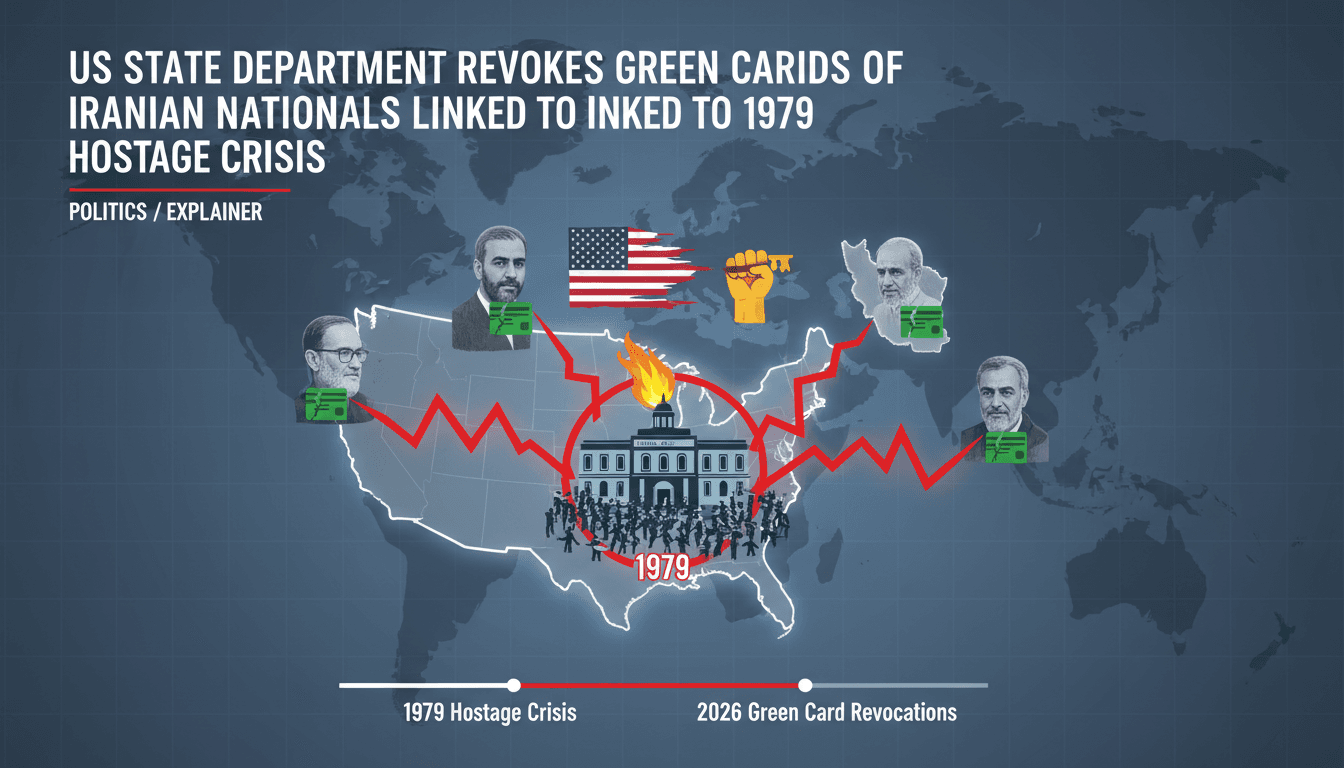
Here's what it means for you.
If you’re part of the Iranian expatriate community or have ties to it, this action raises concerns about your residency status and potential scrutiny.
Why it matters
This enforcement action signals a tightening of immigration policies targeting individuals with connections to the Iranian regime, impacting the broader Iranian diaspora.
What happened (in 30 seconds)
- On April 11, 2026, the US State Department revoked the green cards of three Iranian nationals linked to a prominent figure from the 1979 US Embassy hostage crisis.
- Secretary of State Marco Rubio announced the terminations, leading to immediate arrests by ICE for deportation proceedings.
- The individuals involved are Seyed Eissa Hashemi, Maryam Tahmasebi, and their son, all of whom have familial ties to Masoumeh Ebtekar, a key spokesperson during the hostage crisis.
The context you actually need
- Masoumeh Ebtekar, known as "Screaming Mary," was a spokesperson for militants during the 1979 hostage crisis and later held senior positions in the Iranian government.
- This action is part of a broader trend under the Trump administration, which has focused on targeting Iranian nationals with regime affiliations, including relatives of high-profile figures like Qasem Soleimani.
- The revocations come amid heightened US-Iran tensions, particularly following the return of the Trump administration, which has intensified scrutiny of Iranian nationals in the US.
What's really happening
The recent revocation of green cards for Seyed Eissa Hashemi, Maryam Tahmasebi, and their son marks a significant escalation in US immigration enforcement against individuals with ties to the Iranian regime. This action is rooted in a broader strategy by the Trump administration to tighten immigration policies and enhance national security measures. By targeting individuals connected to the Iranian government, the administration aims to send a clear message about its stance on Iran and its affiliates.
The decision to revoke the green cards was justified by the State Department based on the individuals' connections to Masoumeh Ebtekar, a controversial figure in US-Iran relations. Ebtekar's role during the 1979 hostage crisis has made her a symbol of anti-American sentiment in Iran, and her familial ties to the detained individuals have raised alarms about their potential influence and activities in the US. This action reflects a growing trend of using immigration enforcement as a tool for foreign policy, particularly against nations perceived as adversaries.
The implications of this enforcement action extend beyond the immediate individuals involved. It raises concerns among the Iranian expatriate community in the US, particularly in areas with significant Iranian populations, such as Los Angeles. Many may now fear increased scrutiny regarding their residency status and potential repercussions for their familial or social connections to the Iranian regime. This could lead to a chilling effect, where individuals may feel compelled to distance themselves from their heritage or connections to avoid similar fates.
Moreover, this incident is part of a larger pattern of immigration enforcement actions targeting Iranian nationals. Preceding this event, the US had already revoked green cards for relatives of other Iranian officials, indicating a systematic approach to immigration policy that prioritizes national security over the rights of lawful permanent residents. As tensions between the US and Iran continue to escalate, it is likely that more individuals with similar ties will face scrutiny, leading to further enforcement actions.
Who feels it first (and how)
- Iranian expatriates in the US, particularly those with familial ties to the regime, may experience heightened anxiety regarding their residency status.
- Immigration attorneys and legal advisors will see increased demand for services as affected individuals seek guidance on their rights and options.
- Community organizations supporting Iranian nationals may face pressure to provide resources and advocacy for those impacted by these enforcement actions.
What to watch next
- Increased ICE activity: Monitor for further arrests or green card revocations targeting Iranian nationals, which could indicate a sustained enforcement strategy.
- Community responses: Watch for how Iranian expatriate communities organize in response to these actions, including potential advocacy or legal challenges.
- Policy shifts: Keep an eye on any changes in US immigration policy that may emerge from this incident, particularly regarding national security and foreign relations with Iran.
The green cards of three Iranian nationals were revoked due to their ties to the Iranian regime.
More Iranian nationals with similar affiliations may face scrutiny and potential revocation of their residency status.
The long-term impact on US-Iran relations and how it will affect the Iranian diaspora in the US remains uncertain.
Frequently Asked Questions
- Why it matters?
- This enforcement action signals a tightening of immigration policies targeting individuals with connections to the Iranian regime, impacting the broader Iranian diaspora.
- What happened (in 30 seconds)?
- On April 11, 2026, the US State Department revoked the green cards of three Iranian nationals linked to a prominent figure from the 1979 US Embassy hostage crisis. Secretary of State Marco Rubio announced the terminations, leading to immediate arrests by ICE for deportation proceedings. The individuals involved are Seyed Eissa Hashemi, Maryam Tahmasebi, and their son, all of whom have familial ties to Masoumeh Ebtekar, a key spokesperson during the hostage crisis.
- What's really happening?
- The recent revocation of green cards for Seyed Eissa Hashemi, Maryam Tahmasebi, and their son marks a significant escalation in US immigration enforcement against individuals with ties to the Iranian regime. This action is rooted in a broader strategy by the Trump administration to tighten immigration policies and enhance national security measures. By targeting individuals connected to the Iranian government, the administration aims to send a clear message about its stance on Iran and its affil
- Who feels it first (and how)?
- Iranian expatriates in the US, particularly those with familial ties to the regime, may experience heightened anxiety regarding their residency status. Immigration attorneys and legal advisors will see increased demand for services as affected individuals seek guidance on their rights and options. Community organizations supporting Iranian nationals may face pressure to provide resources and advocacy for those impacted by these enforcement actions.
- What to watch next?
- Increased ICE activity: Monitor for further arrests or green card revocations targeting Iranian nationals, which could indicate a sustained enforcement strategy. Community responses: Watch for how Iranian expatriate communities organize in response to these actions, including potential advocacy or legal challenges. Policy shifts: Keep an eye on any changes in US immigration policy that may emerge from this incident, particularly regarding national security and foreign relations with Iran.
News from the United States including domestic politics, society, and culture.
"The Guardian is known for its progressive editorial stance and in-depth analysis, often advocating for social justice, environmental issues, and liberal values."
— A47 Editor
US state department revokes green cards of three Iranian nationals it links to regime
The U.S. State Department has revoked the green cards of three Iranian nationals, including Seyed Eissa Hashemi, whose mother was a spokesperson for Iran during the 1979 hostage crisis. The revocation follows their arrest by federal agents, indicatin...
International coverage from The Guardian's global desks.
"The Guardian is known for its progressive editorial stance and in-depth analysis."
— A47 Editor
US state department revokes green cards of three Iranian nationals it links to regime
The U.S. State Department has revoked the green cards of three Iranian nationals, including Seyed Eissa Hashemi, whose mother was a spokesperson for Iran during the 1979 hostage crisis. The revocation follows their arrest by federal agents, indicatin...
English-language reporting on Saudi politics, policy, and society.
"Saudi Gazette reflects mainstream Saudi institutional perspectives."
— A47 Editor
US revokes residency of three Iranians over alleged regime links
The U.S. Secretary of State Marco Rubio has ordered the revocation of lawful permanent resident status for three Iranian nationals, Seyed Eissa Hashemi, Maryam Tahmasebi, and their son, due to alleged ties with Iran's regime. This decision follows th...
UAE-based English-language newspaper covering regional politics, economics, and global affairs.
"The National reflects Emirati policy perspectives while maintaining international editorial standards."
— A47 Editor
US arrests and revokes green card of son of 'infamous' Iran hostage crisis spokeswoman
The United States has arrested the son of a prominent spokeswoman from the Iran hostage crisis and revoked his green card, marking a significant legal action tied to historical tensions between the two nations. This incident highlights ongoing issues...
Arabic-language coverage of political affairs and current events.
"Okaz political coverage typically follows mainstream Saudi framing on national and regional affairs."
— A47 Editor
بعد عائلة «سليماني».. أمريكا تلغي إقامة 3 إيرانيين وتحتجزهم
The U.S. State Department has revoked the permanent residency of three Iranians connected to the Tehran regime and has detained them pending deportation. The individuals, identified as Seyed Eissa Hashemi, Maryam Tahmasbi, and their son, are currentl...