
Iran Deploys Naval Mines in Strait of Hormuz Amid Ongoing Conflict
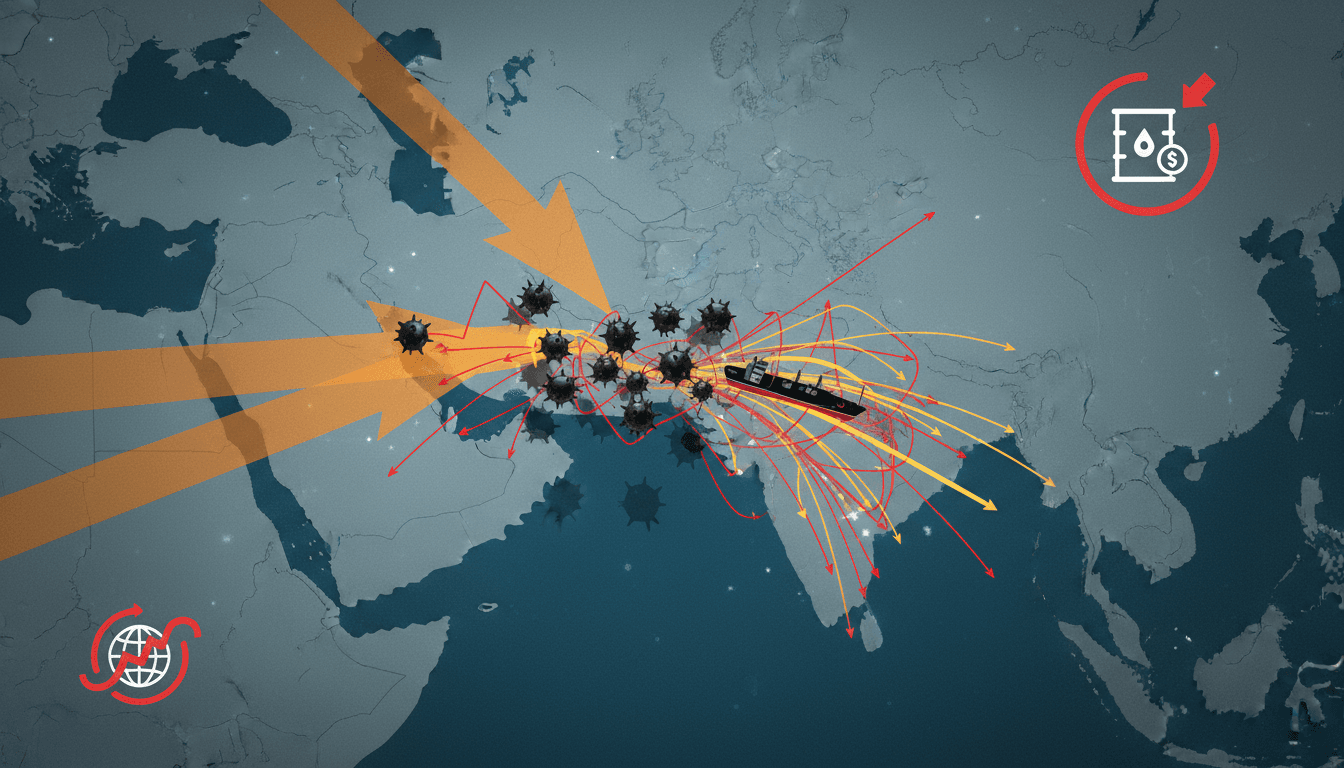
Here's what it means for you.
If you rely on global oil markets, the ongoing crisis in the Strait of Hormuz could significantly impact prices and availability.
Why it matters
The Strait of Hormuz is a critical chokepoint for approximately 20% of the world's oil supply, making disruptions here a global concern.
What happened (in 30 seconds)
- February 28, 2026: US and Israeli airstrikes kill Iranian Supreme Leader Ali Khamenei, prompting Iranian retaliation.
- March 2026: Iran's Revolutionary Guard Corps (IRGC) deploys naval mines, leading to a 70% drop in maritime traffic through the Strait.
- April 17, 2026: Partial reopening of the Strait announced amid ongoing de-mining efforts, but unlocated mines continue to pose risks.
The context you actually need
- Escalating tensions: The crisis stems from failed nuclear negotiations and prior military conflicts between the US and Iran.
- Economic implications: The Strait of Hormuz is vital for global oil trade, with 20 million barrels passing through daily before the crisis.
- Regional instability: The conflict has led to significant disruptions in shipping routes, affecting not just oil but also broader supply chains.
What's really happening
The deployment of naval mines by Iran in the Strait of Hormuz is a direct response to escalating military tensions with the US and Israel, particularly following the assassination of Supreme Leader Ali Khamenei during Operation Epic Fury. This operation, which involved coordinated airstrikes, marked a significant escalation in hostilities, prompting Iran to retaliate aggressively. The IRGC's decision to lay mines is a strategic move aimed at controlling a critical maritime chokepoint that facilitates the transit of approximately 20 million barrels of oil daily, accounting for about 20% of global seaborne oil trade.
The mines, both contact and moored types, have created a hazardous environment for commercial shipping, leading to a dramatic 70% drop in maritime traffic through the Strait. This disruption has immediate economic implications, as oil prices surged to $126 per barrel shortly after the mines were deployed. The US Navy has responded with de-mining operations, but the situation remains precarious, with unlocated mines still posing a threat to vessels attempting to navigate the area.
The broader implications of this crisis extend beyond immediate military concerns. The IRGC's actions reflect a calculated strategy to exert control over vital shipping lanes, leveraging the geopolitical landscape to their advantage. As the US and its allies consider interventions, the potential for further escalation looms large. The economic fallout is already being felt, with Gulf states like the UAE and Qatar declaring force majeure and cutting exports by 60%. This situation not only affects oil prices but also disrupts global supply chains, as shipping routes are altered and freight rates surge.
As the conflict continues, the fragility of maritime security in the region will likely lead to increased insurance costs for shipping operators and potential long-term shifts in global trade patterns. The ongoing de-mining efforts, while crucial, may not fully mitigate the risks posed by the mines, especially if Iran continues to assert control over the Strait.
Who feels it first (and how)
- Shipping operators: Increased costs and rerouted vessels due to mine threats.
- Oil companies: Fluctuating prices and supply chain disruptions affecting profitability.
- Consumers: Potential rise in fuel prices impacting transportation and goods.
- Regional economies: Gulf states facing export cuts and economic instability.
What to watch next
- De-mining progress: Monitoring the effectiveness of US-led de-mining operations will be crucial for assessing maritime safety.
- Oil price fluctuations: Keep an eye on global oil prices as they respond to ongoing tensions and supply chain disruptions.
- Geopolitical developments: Watch for any new military actions or diplomatic efforts that could either escalate or de-escalate the situation.
The Strait of Hormuz is a vital chokepoint for global oil trade, with significant economic implications for disruptions.
Continued tensions between Iran and the US will lead to further military and economic repercussions in the region.
The long-term impact on global supply chains and oil prices remains uncertain as the situation evolves.
Frequently Asked Questions
- Why it matters?
- The Strait of Hormuz is a critical chokepoint for approximately 20% of the world's oil supply, making disruptions here a global concern.
- What happened (in 30 seconds)?
- February 28, 2026: US and Israeli airstrikes kill Iranian Supreme Leader Ali Khamenei, prompting Iranian retaliation. March 2026: Iran's Revolutionary Guard Corps (IRGC) deploys naval mines, leading to a 70% drop in maritime traffic through the Strait. April 17, 2026: Partial reopening of the Strait announced amid ongoing de-mining efforts, but unlocated mines continue to pose risks.
- What's really happening?
- The deployment of naval mines by Iran in the Strait of Hormuz is a direct response to escalating military tensions with the US and Israel, particularly following the assassination of Supreme Leader Ali Khamenei during Operation Epic Fury. This operation, which involved coordinated airstrikes, marked a significant escalation in hostilities, prompting Iran to retaliate aggressively. The IRGC's decision to lay mines is a strategic move aimed at controlling a critical maritime chokepoint that facili
- Who feels it first (and how)?
- Shipping operators: Increased costs and rerouted vessels due to mine threats. Oil companies: Fluctuating prices and supply chain disruptions affecting profitability. Consumers: Potential rise in fuel prices impacting transportation and goods. Regional economies: Gulf states facing export cuts and economic instability.
- What to watch next?
- De-mining progress: Monitoring the effectiveness of US-led de-mining operations will be crucial for assessing maritime safety. Oil price fluctuations: Keep an eye on global oil prices as they respond to ongoing tensions and supply chain disruptions. Geopolitical developments: Watch for any new military actions or diplomatic efforts that could either escalate or de-escalate the situation.
Arabic-language coverage of international news and geopolitics.
"RT Arabic is a Russian state-funded outlet often criticized for promoting Kremlin-aligned narratives."
— A47 Editor
الألغام في مضيق هرمز.. كابوس السفن
The Iranian Revolutionary Guard announced that the passage of ships through the Strait of Hormuz is permitted by its forces, while the U.S. Navy warned that the threat of underwater mines remains significant. This situation highlights ongoing tension...
Arabic-language UAE newspaper coverage focused on domestic affairs, public institutions, business, society, and regional developments.
"Al Khaleej coverage generally reflects a mainstream UAE editorial lens with strong attention to public affairs, institutions, and regional developments."
— A47 Editor
البحرية الأمريكية: خطر الألغام في مضيق هرمز غير محدد
The U.S. Navy issued a warning on Friday indicating that the extent of the threat posed by mines in parts of the Strait of Hormuz has not been fully determined. This statement highlights ongoing concerns regarding maritime security in a strategically...
Pan-Arab news coverage spanning politics, business, sports, and regional affairs.
"Asharq Al-Awsat reflects a broad Arab editorial perspective with strong attention to regional geopolitics."
— A47 Editor
«البحرية الأميركية»: الخطر من الألغام في أجزاء من «هرمز» غير محدد بشكل تام
The U.S. Navy issued a warning on Friday regarding the unspecified level of danger posed by mines in parts of the Strait of Hormuz, advising vessels to avoid the area. This statement highlights ongoing concerns about maritime safety in a strategicall...
Arabic-language coverage of international news and geopolitics.
"RT Arabic is a Russian state-funded outlet often criticized for promoting Kremlin-aligned narratives."
— A47 Editor
البحرية الأمريكية: تهديد الألغام في أجزاء من مضيق هرمز غير مفهوم بشكل كامل
The U.S. Navy's advisory body reported on Friday that the threat posed by mines in certain areas of the Strait of Hormuz is not fully understood, suggesting that vessels should consider avoiding this region.