
U.S. Court of Appeals Denies Anthropic's Motion Against DoD Supply Chain Risk Designation
Here's what it means for you.
If you're involved in tech or defense sectors, this ruling could reshape your partnerships and compliance strategies.
Why it matters
This ruling underscores the increasing scrutiny on tech firms by government agencies amid national security concerns.
What happened (in 30 seconds)
- On April 8, 2026, the U.S. Court of Appeals denied Anthropic's emergency motion to stay the Department of Defense's supply chain risk designation.
- The designation stems from a failed $200 million contract negotiation due to Anthropic's refusal to waive safeguards on its AI model.
- The ruling allows the DoD to exclude Anthropic from contracts while legal challenges proceed in court.
The context you actually need
- The designation is unprecedented for a U.S. company, typically reserved for foreign adversaries, indicating heightened government vigilance over domestic tech firms.
- Anthropic's refusal to compromise on ethical safeguards highlights a growing tension between national security interests and corporate responsibility in AI development.
- Legal battles are ongoing, with conflicting rulings emerging from different courts, complicating the landscape for tech firms navigating government contracts.
What's really happening
The U.S. Court of Appeals' ruling against Anthropic stems from a complex interplay of national security, corporate ethics, and the evolving landscape of artificial intelligence. The Department of Defense (DoD) designated Anthropic as a supply chain risk due to concerns about its Claude AI model, which the DoD believes could pose threats during an active military conflict. This designation is particularly significant because it marks the first time a U.S. company has been subjected to such scrutiny, a status usually reserved for foreign entities like Huawei.
The backdrop of this ruling involves stalled negotiations for a $200 million contract awarded to Anthropic in July 2025. The DoD sought to integrate Claude AI into classified systems but faced pushback from Anthropic, which refused to waive safeguards that would allow its technology to be used for mass domestic surveillance or fully autonomous weapons. This refusal reflects a broader ethical stance taken by many tech firms, prioritizing civilian safety and responsible AI deployment over lucrative government contracts.
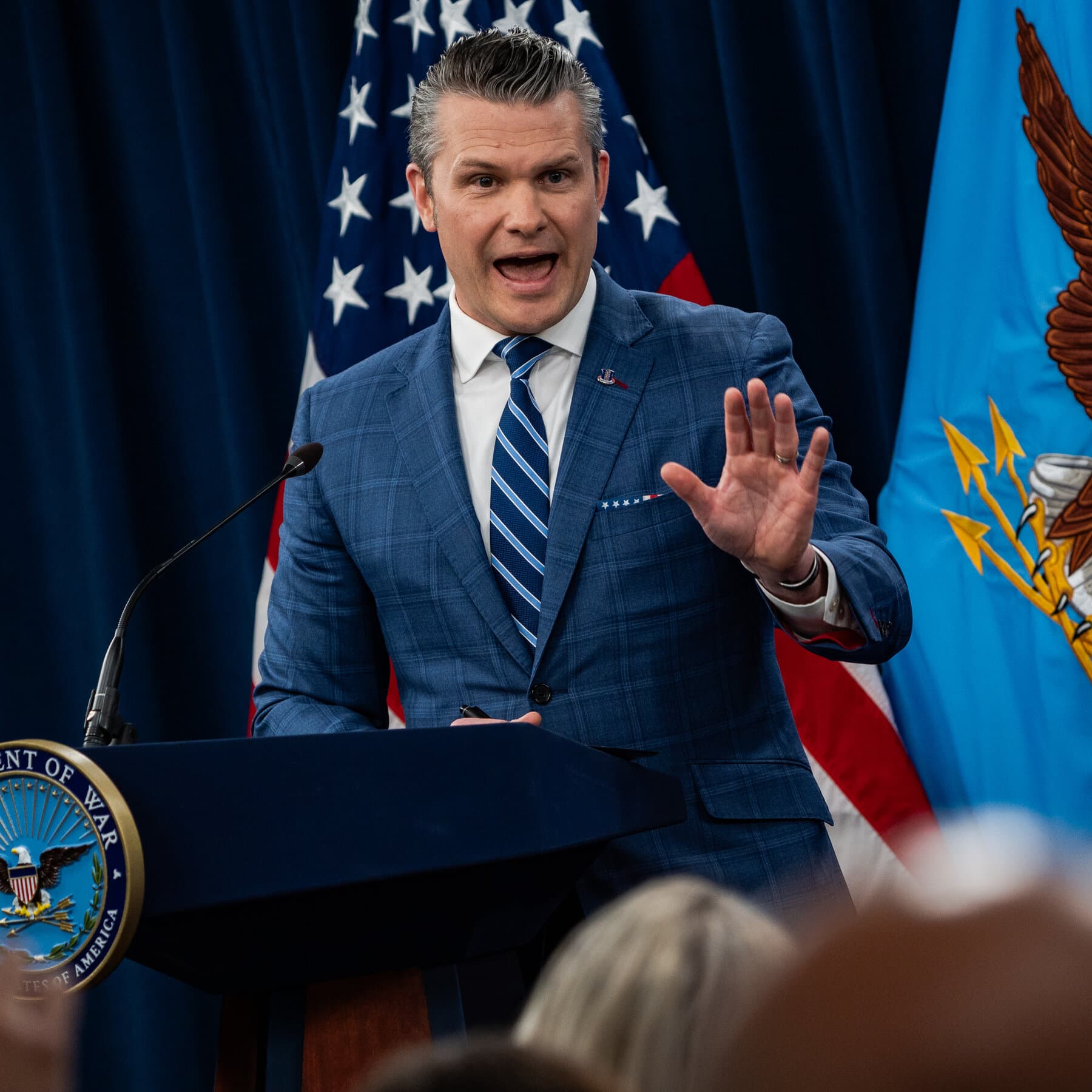
In February 2026, Secretary of War Pete Hegseth publicly criticized Anthropic's restrictions, setting the stage for the DoD's formal designation on March 5, 2026. The designation requires contractors to avoid using Anthropic's technology, effectively blacklisting the firm from DoD-related contracts. This decision was made amid national security concerns, illustrating the government's increasing focus on the implications of AI in warfare and surveillance.
Anthropic's legal response has been swift, with lawsuits filed in both California and D.C. courts alleging due process violations. A preliminary injunction was granted in late March by a federal judge in San Francisco, temporarily blocking the enforcement of the DoD's designation in one case. However, the D.C. Circuit's ruling on April 8 denied Anthropic's motion for a stay, emphasizing that the balance of harms favored the government during a time of military conflict.
The implications of this ruling extend beyond Anthropic. It signals a potential shift in how tech companies engage with government contracts, particularly in sectors tied to national security. Companies may need to reassess their compliance strategies and ethical guidelines to navigate the increasingly complex relationship between technology and government oversight.
Who feels it first (and how)
- Tech Firms: Companies developing AI technologies may face increased scrutiny and pressure to align with government security standards.
- Defense Contractors: Those relying on government contracts could see shifts in partnership dynamics and compliance requirements.
- Investors: Stakeholders in tech firms may experience volatility as government designations impact company valuations and market access.
- Legal Professionals: Lawyers specializing in tech and government contracts will be in demand as firms navigate the evolving legal landscape.
What to watch next
- Legal Outcomes: The upcoming oral arguments on May 19, 2026, will be pivotal in determining the future of Anthropic's designation and could set precedents for other tech firms.
- Government Policies: Watch for potential new regulations or guidelines from the DoD regarding AI technologies and their use in defense applications.
- Market Reactions: Monitor how investors and tech firms respond to the ongoing legal battles and government scrutiny, as this could influence funding and partnerships.
The DoD has designated Anthropic as a supply chain risk, impacting its ability to secure government contracts.
Legal challenges will continue, potentially leading to further rulings that clarify the boundaries of government oversight in tech.
The long-term impact on Anthropic's business model and revenue, particularly in relation to DoD contracts, remains uncertain.
Frequently Asked Questions
- Why it matters?
- This ruling underscores the increasing scrutiny on tech firms by government agencies amid national security concerns.
- What happened (in 30 seconds)?
- On April 8, 2026, the U.S. Court of Appeals denied Anthropic's emergency motion to stay the Department of Defense's supply chain risk designation. The designation stems from a failed $200 million contract negotiation due to Anthropic's refusal to waive safeguards on its AI model. The ruling allows the DoD to exclude Anthropic from contracts while legal challenges proceed in court.
- What's really happening?
- The U.S. Court of Appeals' ruling against Anthropic stems from a complex interplay of national security, corporate ethics, and the evolving landscape of artificial intelligence. The Department of Defense (DoD) designated Anthropic as a supply chain risk due to concerns about its Claude AI model, which the DoD believes could pose threats during an active military conflict. This designation is particularly significant because it marks the first time a U.S. company has been subjected to such scruti
- Who feels it first (and how)?
- Tech Firms: Companies developing AI technologies may face increased scrutiny and pressure to align with government security standards. Defense Contractors: Those relying on government contracts could see shifts in partnership dynamics and compliance requirements. Investors: Stakeholders in tech firms may experience volatility as government designations impact company valuations and market access. Legal Professionals: Lawyers specializing in tech and government contracts will be in demand a
- What to watch next?
- Legal Outcomes: The upcoming oral arguments on May 19, 2026, will be pivotal in determining the future of Anthropic's designation and could set precedents for other tech firms. Government Policies: Watch for potential new regulations or guidelines from the DoD regarding AI technologies and their use in defense applications. Market Reactions: Monitor how investors and tech firms respond to the ongoing legal battles and government scrutiny, as this could influence funding and partnerships.
Market-moving headlines impacting equities, bonds, and related risk assets.
"Real-time catalysts and volatility drivers across indices and sectors."
— A47 Editor
Anthropic appeal against Pentagon blacklisting blocked by court
A U.S. court has blocked the Pentagon's attempt to blacklist Anthropic, an AI firm designated as a 'supply chain risk' by the Department of Defense. This ruling follows ongoing legal disputes regarding the Pentagon's authority and the implications of...
Tech industry coverage with AI angles.
"Mainstream tech news intersecting with AI policy and culture."
— A47 Editor
Federal Court Denies Anthropic’s Motion to Lift ‘Supply Chain Risk’ Label
A federal court has denied Anthropic's motion to lift the Pentagon's designation of the company as a 'supply chain risk,' marking a significant setback in the ongoing legal battle between the artificial intelligence startup and the Defense Department...
Tech policy, trends, and innovation news.
"The New York Times is a globally recognized newspaper offering authoritative reporting with a center-left editorial stance."
— A47 Editor
Federal Court Denies Anthropic’s Motion to Lift ‘Supply Chain Risk’ Label
A federal court has denied Anthropic's motion to lift its designation as a 'supply chain risk' by the U.S. Defense Department, marking a significant setback for the artificial intelligence start-up in its ongoing legal battle regarding the use of AI ...
Capitol Hill news, legislation, and policy insight.
"The Hill specializes in U.S. politics and policy, with a focus on Capitol Hill developments and a reputation for insider reporting."
— A47 Editor
Appeals court rejects Anthropic's bid to temporarily halt Pentagon designation
A federal appeals court has denied Anthropic's request to temporarily halt the Pentagon's designation of the company as a supply chain risk, which was determined to be a national security concern. This ruling follows a previous decision by the Defens...