
Release of U.S. Journalist Shelly Kittleson After Kidnapping by Kataib Hezbollah
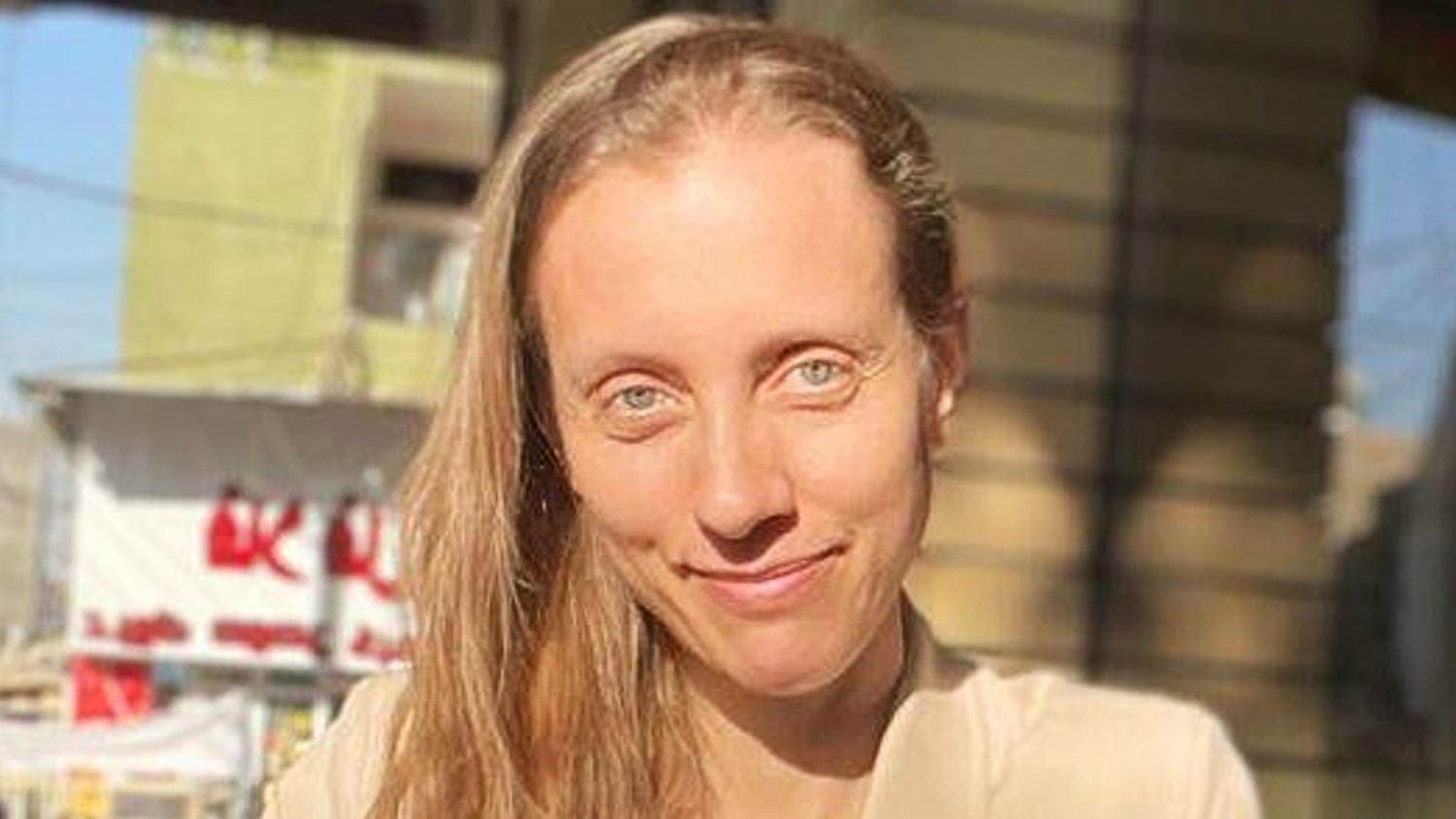
Here's what it means for you.
The release of journalist Shelly Kittleson highlights the precarious environment for media professionals operating in conflict zones, impacting how organizations assess risk in volatile regions.
Why it matters
The incident underscores the increasing dangers posed by Iran-aligned militias in Iraq, affecting U.S. interests and the safety of journalists globally.
What happened (in 30 seconds)
- Shelly Kittleson, an American freelance journalist, was kidnapped by Kataib Hezbollah militants in Baghdad on March 31, 2026.
- Negotiations led by Iraqi officials resulted in her release on April 7, 2026, after seven days in captivity.
- U.S. officials confirmed her release and emphasized the need for Americans to avoid travel to Iraq amid rising tensions.
The context you actually need
- Kittleson's abduction occurred during a period of intensified attacks by Iran-backed militias on U.S. targets, exacerbated by the ongoing U.S.-Israeli conflict with Iran.
- Kataib Hezbollah has a history of targeting journalists, with Kittleson reportedly on a list of individuals marked for abduction or assassination.
- U.S. travel advisories remain elevated, reflecting broader security concerns for expatriates and journalists in Iraq and surrounding regions.
What's really happening
The release of Shelly Kittleson from captivity is a significant event that highlights the complex interplay of regional politics, media safety, and U.S. foreign policy. Kittleson, a seasoned journalist known for her coverage of conflict zones, was abducted amid a surge in violence from Iran-aligned militias, particularly Kataib Hezbollah, which has been increasingly aggressive towards U.S. interests in Iraq. This escalation is largely a reaction to the ongoing U.S.-Israeli conflict with Iran, which has heightened tensions across the region.
Kataib Hezbollah's decision to kidnap Kittleson reflects a calculated strategy to exert pressure on both the Iraqi government and the U.S. While the militia has a history of detaining foreigners, the timing of Kittleson's abduction is particularly telling. U.S. officials had previously warned her of specific threats, indicating that her inclusion on a target list was not merely coincidental. This incident not only raises alarms about the safety of journalists in Iraq but also signals a broader trend of increasing hostility towards foreign nationals in conflict zones.
The negotiations for Kittleson's release were facilitated by Iraqi Prime Minister Mohammed Shia al-Sudani, who ordered intensified efforts to pursue her kidnappers. The U.S. Secretary of State, Marco Rubio, expressed gratitude for the cooperation of Iraqi authorities, indicating a collaborative approach to addressing the issue. However, Kataib Hezbollah's warning that such releases would not be a regular occurrence suggests a potential shift in their operational tactics, possibly leading to more aggressive actions against perceived adversaries.
The implications of Kittleson's release extend beyond her personal safety. For journalists, this incident serves as a stark reminder of the risks involved in reporting from conflict zones, particularly in regions where militias operate with relative impunity. Media organizations may need to reassess their protocols for deploying journalists to high-risk areas, considering the potential for abduction and violence. Furthermore, the U.S. government's ongoing travel advisories for Iraq reflect a cautious approach to protecting its citizens abroad, which could impact the willingness of journalists to cover stories in such environments.
Who feels it first (and how)
- Journalists: Increased scrutiny and potential restrictions on reporting in conflict zones due to safety concerns.
- Media Organizations: Need for revised risk assessment protocols when sending reporters to volatile regions.
- U.S. Government: Heightened diplomatic efforts to ensure the safety of American citizens abroad, affecting foreign policy strategies.
- Expatriates in Iraq: Increased security advisories and potential travel restrictions impacting their mobility and safety.
What to watch next
- Changes in U.S. travel advisories: Monitoring updates will indicate how the U.S. government assesses risks in Iraq and surrounding regions.
- Increased militia activity: Observing the behavior of Iran-aligned groups could provide insights into future threats against foreign nationals.
- Media responses to safety threats: Watch for shifts in how media organizations approach reporting in conflict zones, including potential policy changes on journalist deployments.
Kittleson was released after negotiations involving Iraqi officials.
Increased caution among journalists and media organizations regarding reporting in Iraq.
The long-term implications for U.S.-Iraq relations and the operational strategies of Iran-aligned militias.
Frequently Asked Questions
- Why it matters?
- The incident underscores the increasing dangers posed by Iran-aligned militias in Iraq, affecting U.S. interests and the safety of journalists globally.
- What happened (in 30 seconds)?
- Shelly Kittleson, an American freelance journalist, was kidnapped by Kataib Hezbollah militants in Baghdad on March 31, 2026. Negotiations led by Iraqi officials resulted in her release on April 7, 2026, after seven days in captivity. U.S. officials confirmed her release and emphasized the need for Americans to avoid travel to Iraq amid rising tensions.
- What's really happening?
- The release of Shelly Kittleson from captivity is a significant event that highlights the complex interplay of regional politics, media safety, and U.S. foreign policy. Kittleson, a seasoned journalist known for her coverage of conflict zones, was abducted amid a surge in violence from Iran-aligned militias, particularly Kataib Hezbollah, which has been increasingly aggressive towards U.S. interests in Iraq. This escalation is largely a reaction to the ongoing U.S.-Israeli conflict with Iran, wh
- Who feels it first (and how)?
- Journalists: Increased scrutiny and potential restrictions on reporting in conflict zones due to safety concerns. Media Organizations: Need for revised risk assessment protocols when sending reporters to volatile regions. U.S. Government: Heightened diplomatic efforts to ensure the safety of American citizens abroad, affecting foreign policy strategies. Expatriates in Iraq: Increased security advisories and potential travel restrictions impacting their mobility and safety.
- What to watch next?
- Changes in U.S. travel advisories: Monitoring updates will indicate how the U.S. government assesses risks in Iraq and surrounding regions. Increased militia activity: Observing the behavior of Iran-aligned groups could provide insights into future threats against foreign nationals. Media responses to safety threats: Watch for shifts in how media organizations approach reporting in conflict zones, including potential policy changes on journalist deployments.
Capitol Hill news, legislation, and policy insight.
"The Hill specializes in U.S. politics and policy, with a focus on Capitol Hill developments and a reputation for insider reporting."
— A47 Editor
Rubio says US journalist Shelly Kittleson is free, working on safe departure from Iraq
American journalist Shelly Kittleson has been released after being held hostage by an Iran-backed militia in Iraq for over a week, as confirmed by Secretary of State Marco Rubio. Kittleson's abduction raised significant concerns regarding the safety ...
Focused political reporting and governmental affairs.
"NBC News is a mainstream media outlet known for comprehensive national and international news coverage with a centrist to slightly left-leaning editorial tone."
— A47 Editor
Shelly Kittleson, US Journalist Abducted in Iraq, Is Released
American journalist Shelly Kittleson, who was abducted in Baghdad last week, has been released by the Iran-backed militia that kidnapped her, with the condition that she leave Iraq immediately. Secretary of State Marco Rubio confirmed her release, ex...
International stories from NPR’s global desk.
"NPR is an American public media organization known for thoughtful reporting and a slightly left-leaning editorial tone."
— A47 Editor
American journalist kidnapped by an Iran-backed militia released
American journalist Shelly Kittleson has been released after being kidnapped by the Iran-backed militia group Kataib Hezbollah in Baghdad. Her abduction lasted for a week, raising significant concerns regarding the safety of journalists operating in ...
International coverage of politics, culture, and current affairs.
"BBC News is widely regarded as a reputable international news organization, known for its impartial tone and public service mandate."
— A47 Editor
US journalist Shelly Kittleson released after kidnap in Iraq, officials say
US journalist Shelly Kittleson has been released after being kidnapped in Baghdad by the Iran-backed militia group Kataib Hezbollah. The U.S. State Department confirmed her release and is now facilitating her safe departure from Iraq.
Conservative-leaning political and national coverage.
"The Washington Times is a conservative-leaning newspaper known for its political coverage and advocacy of right-of-center viewpoints."
— A47 Editor
American journalist released in Iraq by pro-Iran Hezbollah militants
American journalist Shelly Kittleson has been released after being kidnapped by pro-Iran militia Kata'ib Hizballah near Baghdad, Iraq. Her abduction raised significant concerns about the safety of journalists in conflict zones, especially given prior...
Regional coverage and analysis focused on politics, diplomacy, and business across the Middle East.
"Al-Monitor is known for analytical reporting on Middle East politics and policy developments."
— A47 Editor
Iraqi armed group releases US journalist
Shelly Kittleson, a US journalist, was released by the Iraqi armed group Kataeb Hezbollah after being kidnapped in Baghdad for a week. The release occurred shortly before a ceasefire agreement between the United States and Iran, marking a significant...
Top international stories selected by The Guardian editors.
"The Guardian is known for its progressive editorial stance and in-depth analysis."
— A47 Editor
American journalist released a week after being kidnapped in Iraq
American journalist Shelly Kittleson has been released after being kidnapped by the Iran-backed militia group Kataib Hezbollah in Baghdad. Her abduction raised significant concerns regarding the safety of journalists in Iraq, especially given prior w...
Pan-Arab political news and analysis.
"Al-Quds Al-Arabi is a London-based Arabic newspaper known for political coverage."
— A47 Editor
روبيو: إطلاق سراح الصحافية المخطوفة في العراق شيلي كيتلسون
U.S. Secretary of State Marco Rubio announced on Tuesday the release of American journalist Shelly Kittleson, who was recently kidnapped by the Iranian-aligned group Kata'ib Hezbollah near Baghdad. This development marks a significant moment in the o...
Arabic-language digital news outlet covering UAE, regional, and international developments with broad general-news coverage.
"Al Ain News coverage typically blends UAE-focused reporting with wider Arab regional and international news."
— A47 Editor
«لا تسامح».. روبيو يعلن إطلاق سراح صحفية أمريكية مختطفة بالعراق
U.S. Secretary of State Marco Rubio announced the release of American journalist Shelly Kittleson, who had been kidnapped in Iraq. This development marks a significant moment in the ongoing efforts to ensure the safety of journalists operating in con...
Regional coverage and analysis focused on politics, diplomacy, and business across the Middle East.
"Al-Monitor is known for analytical reporting on Middle East politics and policy developments."
— A47 Editor
US journalist Kittleson released from captivity in Iraq, Rubio says
American journalist Shelly Kittleson has been released after being kidnapped by the Iran-aligned Iraqi armed group Kataib Hezbollah near Baghdad. U.S. Secretary of State Marco Rubio confirmed her release, stating that she must leave Iraq immediately ...