
G7 Finance Ministers Address Economic Impact of Middle East Conflict
Here's what it means for you.
Your business could face rising costs and supply chain disruptions as global economic stability hangs in the balance.
Why it matters
The G7's statement signals a coordinated effort to mitigate economic fallout from geopolitical tensions, impacting global markets and consumer prices.
What happened (in 30 seconds)
- G7 finance ministers and central bank governors met on April 16, 2026, in Washington, D.C., to address the economic implications of the ongoing Middle East conflict.
- They issued a joint statement urging the need to limit the global economic costs associated with the conflict, particularly disruptions in energy supply.
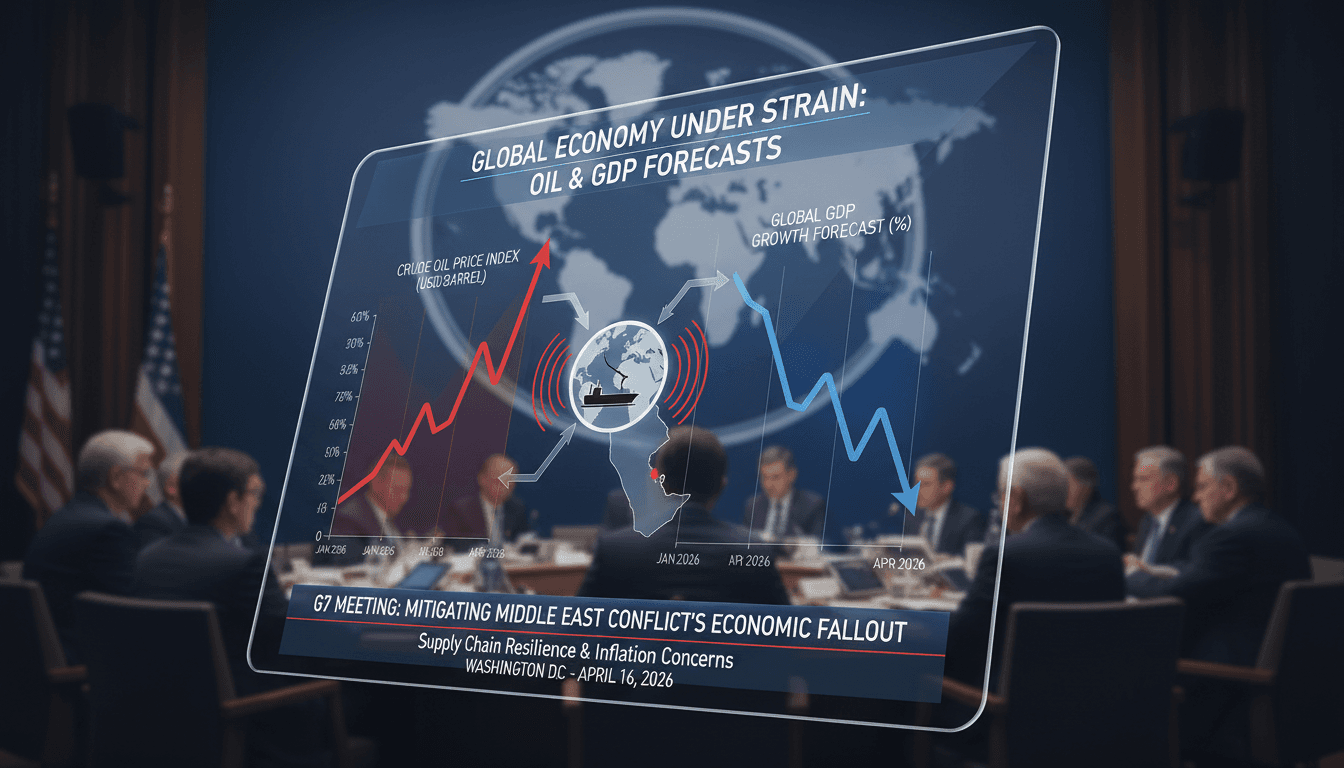
- Brent crude oil prices surged to over $120 per barrel due to the conflict, prompting concerns about inflation and economic growth.
The context you actually need
- The Iran war escalated in March 2026, leading to the closure of the Strait of Hormuz, which is critical for global oil shipments.
- The IMF downgraded its global GDP growth forecast for 2026 to 3.1%, reflecting the economic strain from the conflict.
- Dubai's economy is feeling the pinch, with rising fuel and electricity costs impacting consumer spending and tourism.
What's really happening
The G7's urgent call to limit the economic costs of the Middle East conflict stems from a complex interplay of geopolitical tensions and market dynamics. The conflict, primarily involving Iran, escalated dramatically in early March 2026 when U.S. and Israeli forces launched strikes, prompting Iran to retaliate by closing the Strait of Hormuz. This strategic waterway is vital, as it facilitates approximately 20% of global oil shipments. The immediate consequence was a sharp spike in Brent crude oil prices, which soared from around $70 per barrel to over $120 per barrel.
This surge in oil prices has significant implications for global inflation and economic growth. The International Monetary Fund (IMF) responded by downgrading its global GDP growth forecast for 2026 to 3.1%, a clear indicator of the economic strain caused by the conflict. The G7 finance ministers, recognizing the potential for prolonged economic disruption, convened to address these challenges. French Economy Minister Roland Lescure emphasized the urgency of limiting the conflict's economic fallout, while German Finance Minister Lars Klingbeil warned against allowing Russia to benefit from the situation, highlighting the interconnectedness of global conflicts.
The G7's statement also reflects a broader concern about supply chain resilience, particularly regarding energy and critical minerals. As countries grapple with the fallout from the Iran war, the potential for inflation to become entrenched in economies is a pressing issue. Central Bank of France Governor Francois Villeroy de Galhau underscored the need for vigilance against inflation, indicating that central banks are prepared to take action to stabilize prices.
In the wake of the G7 meeting, Brent crude prices fell over 10% to approximately $90 per barrel following Iran's announcement of the full reopening of the Strait of Hormuz. However, market volatility remains a concern, as the potential for a ceasefire and the broader geopolitical landscape continue to evolve. The G7's commitment to monitoring the situation and planning follow-up meetings indicates that the economic implications of the conflict will be a focal point for global leaders in the coming months.
Who feels it first (and how)
- Consumers: Higher fuel and electricity costs directly impact household budgets.
- Businesses: Sectors reliant on stable energy prices, such as transportation and manufacturing, face increased operational costs.
- Tourism and retail: In Dubai, luxury retail and tourism sectors are slowing due to rising costs and regional instability.
- Investors: Market volatility affects investment strategies, particularly in energy and commodities.
What to watch next
- Energy prices: Monitor fluctuations in oil prices, as they will influence inflation and consumer spending.
- G7 follow-up meetings: The outcomes of planned discussions in Paris will provide insights into coordinated economic strategies.
- Geopolitical developments: Keep an eye on ceasefire negotiations and their potential impact on global markets.
The G7 has issued a statement urging action to limit economic costs from the conflict.
Continued volatility in energy prices and inflationary pressures will affect global economies.
The long-term resolution of the conflict and its implications for global supply chains remain uncertain.
Frequently Asked Questions
- Why it matters?
- The G7's statement signals a coordinated effort to mitigate economic fallout from geopolitical tensions, impacting global markets and consumer prices.
- What happened (in 30 seconds)?
- G7 finance ministers and central bank governors met on April 16, 2026, in Washington, D.C., to address the economic implications of the ongoing Middle East conflict. They issued a joint statement urging the need to limit the global economic costs associated with the conflict, particularly disruptions in energy supply. Brent crude oil prices surged to over $120 per barrel due to the conflict, prompting concerns about inflation and economic growth.
- What's really happening?
- The G7's urgent call to limit the economic costs of the Middle East conflict stems from a complex interplay of geopolitical tensions and market dynamics. The conflict, primarily involving Iran, escalated dramatically in early March 2026 when U.S. and Israeli forces launched strikes, prompting Iran to retaliate by closing the Strait of Hormuz. This strategic waterway is vital, as it facilitates approximately 20% of global oil shipments. The immediate consequence was a sharp spike in Brent crude o
- Who feels it first (and how)?
- Consumers: Higher fuel and electricity costs directly impact household budgets. Businesses: Sectors reliant on stable energy prices, such as transportation and manufacturing, face increased operational costs. Tourism and retail: In Dubai, luxury retail and tourism sectors are slowing due to rising costs and regional instability. Investors: Market volatility affects investment strategies, particularly in energy and commodities.
- What to watch next?
- Energy prices: Monitor fluctuations in oil prices, as they will influence inflation and consumer spending. G7 follow-up meetings: The outcomes of planned discussions in Paris will provide insights into coordinated economic strategies. Geopolitical developments: Keep an eye on ceasefire negotiations and their potential impact on global markets.
Arabic-language UAE newspaper coverage focused on domestic affairs, public institutions, business, society, and regional developments.
"Al Khaleej coverage generally reflects a mainstream UAE editorial lens with strong attention to public affairs, institutions, and regional developments."
— A47 Editor
مجموعة السبع تؤكد على ضروروة الحد من التكلفة الاقتصادية لحرب إيران
On Thursday, finance ministers and central bank governors from the Group of Seven (G7) emphasized the need to mitigate the economic costs of the prolonged conflict in the Middle East, urging efforts towards achieving lasting peace in the region.
Macro commentary, policy analysis, growth/inflation themes, and global outlooks.
"Contextual macro coverage that complements day-to-day market headlines."
— A47 Editor
G7 finance chiefs say it is urgent to limit Middle East war’s cost to global economy
G7 finance chiefs have emphasized the urgent need to mitigate the economic repercussions of the ongoing conflict in the Middle East, highlighting concerns over its potential impact on the global economy. The G7's discussions come amid warnings from t...
Regional coverage and analysis focused on politics, diplomacy, and business across the Middle East.
"Al-Monitor is known for analytical reporting on Middle East politics and policy developments."
— A47 Editor
G7 finance chiefs say it is urgent to limit Middle East war's cost to global economy
Finance chiefs from the G7 nations emphasized the urgent need to mitigate the economic impact of the ongoing Middle East conflict during their discussions in Washington, highlighting the necessity for a lasting peace. This topic was one of the key is...