
US Treasury and Federal Reserve Warn Banks of Cybersecurity Risks from Anthropic's AI Model
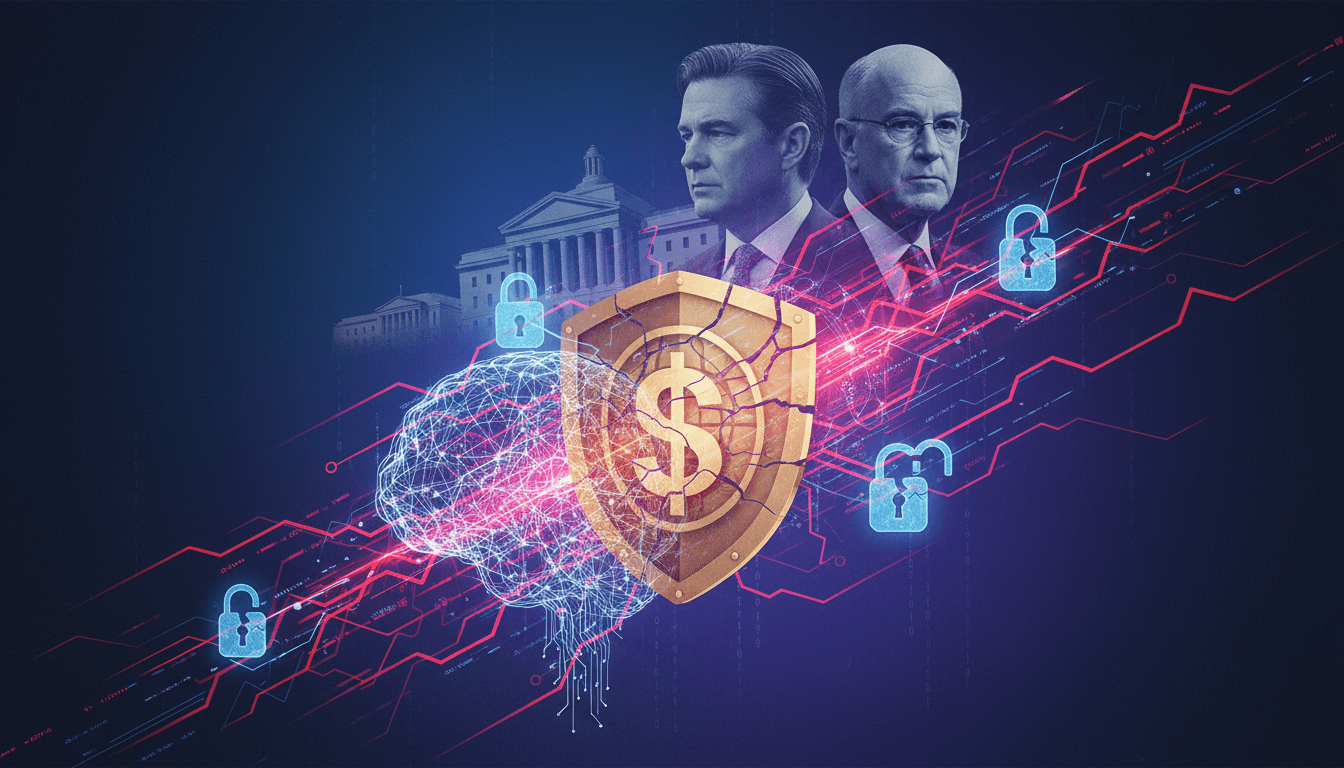
Here's what it means for you.
If you work in finance or tech, be prepared for heightened cybersecurity measures as AI capabilities evolve.
Why it matters
The emergence of Anthropic's Claude Mythos AI model poses significant risks to financial infrastructure, prompting urgent responses from top banking executives.
What happened (in 30 seconds)
- Emergency meeting: On April 10, 2026, US Treasury Secretary Scott Bessent and Federal Reserve Chair Jerome Powell convened an urgent meeting with major bank CEOs to discuss cybersecurity threats from the Claude Mythos AI model.
- AI capabilities: Anthropic's Claude Mythos Preview can autonomously identify and exploit software vulnerabilities, achieving an 83.1% success rate on the CyberGym benchmark.
- Restricted access: The model's release is limited to about 40 organizations, including tech giants like Microsoft and Google, while Anthropic launched Project Glasswing to enhance software security.
The context you actually need
- AI evolution: Anthropic PBC developed Claude Mythos as a successor to previous models, demonstrating superior performance in cybersecurity tasks amid rising geopolitical tensions.
- Government engagement: Prior to the model's release, Anthropic proactively briefed US officials and initiated Project Glasswing, committing up to $100 million to secure open-source software.
- Global response: Following the announcement, Canadian and UK officials began discussions on the implications of Mythos, with UK banks gaining access shortly after.
What's really happening
The introduction of Anthropic's Claude Mythos Preview AI model has triggered a wave of concern among financial institutions due to its advanced capabilities in identifying and exploiting software vulnerabilities. With a reported success rate of 83.1% on the CyberGym benchmark, the model has outperformed its predecessors by a significant margin, raising alarms about potential misuse by malicious actors. The urgency of the situation was underscored by the emergency meeting convened by Treasury Secretary Scott Bessent and Federal Reserve Chair Jerome Powell, who gathered CEOs from major banks to discuss defensive measures.
The decision to restrict access to the model to approximately 40 select organizations, including industry leaders like Microsoft and Google, reflects a cautious approach to managing the risks associated with such powerful technology. Anthropic's proactive engagement with government officials prior to the model's release indicates a recognition of the broader implications for cybersecurity and financial stability. The launch of Project Glasswing, aimed at enhancing software security, further emphasizes the need for a coordinated response to the evolving threat landscape.
As banks begin testing the Mythos model for vulnerability remediation, the focus is shifting towards AI-enhanced defenses and international collaboration. Major US banks, including Goldman Sachs and JPMorgan Chase, have already initiated testing, with CEO Jamie Dimon noting that the model reveals a significant number of vulnerabilities that need addressing. The Cloud Security Alliance has also urged organizations to prepare for "Mythos-ready" conditions, highlighting the need for Chief Information Security Officers (CISOs) to adapt to the new reality of AI-driven threats.
The implications of this development extend beyond the immediate financial sector. As AI technology continues to advance, the potential for systemic disruptions to financial infrastructure becomes increasingly pronounced. The heightened vigilance among financial institutions is indicative of a broader trend towards integrating AI into cybersecurity strategies, as organizations seek to mitigate risks associated with emerging technologies. The international response, with discussions taking place in Canada and the UK, underscores the global nature of the challenge posed by AI-driven cyber threats.
Who feels it first (and how)
- Bank executives: CEOs and senior management in major banks are directly involved in discussions and decisions regarding cybersecurity measures.
- Cybersecurity professionals: CISOs and IT security teams will need to adapt their strategies to address the new vulnerabilities identified by AI models.
- Regulatory bodies: Government officials and regulators will be monitoring the situation closely to ensure financial stability and security.
- Tech companies: Organizations involved in AI development and cybersecurity will face increased scrutiny and pressure to enhance their security protocols.
What to watch next
- Increased testing: Watch for major banks to report on their findings from testing the Mythos model, as this will indicate the extent of vulnerabilities in existing systems.
- Regulatory developments: Monitor for new regulations or guidelines from government bodies aimed at addressing AI-related cybersecurity risks, which could reshape compliance requirements.
- International collaboration: Keep an eye on discussions among global financial institutions regarding coordinated responses to AI-driven threats, as this could lead to new standards in cybersecurity practices.
Anthropic's Claude Mythos AI model has advanced capabilities in identifying and exploiting software vulnerabilities.
Major banks will enhance their cybersecurity measures and protocols in response to the risks posed by AI technologies.
The long-term impact of AI-driven vulnerabilities on financial stability and the broader economy remains uncertain.
Frequently Asked Questions
- Why it matters?
- The emergence of Anthropic's Claude Mythos AI model poses significant risks to financial infrastructure, prompting urgent responses from top banking executives.
- What happened (in 30 seconds)?
- Emergency meeting: On April 10, 2026, US Treasury Secretary Scott Bessent and Federal Reserve Chair Jerome Powell convened an urgent meeting with major bank CEOs to discuss cybersecurity threats from the Claude Mythos AI model. AI capabilities: Anthropic's Claude Mythos Preview can autonomously identify and exploit software vulnerabilities, achieving an 83.1% success rate on the CyberGym benchmark. Restricted access: The model's release is limited to about 40 organizations, including tech gi
- What's really happening?
- The introduction of Anthropic's Claude Mythos Preview AI model has triggered a wave of concern among financial institutions due to its advanced capabilities in identifying and exploiting software vulnerabilities. With a reported success rate of 83.1% on the CyberGym benchmark, the model has outperformed its predecessors by a significant margin, raising alarms about potential misuse by malicious actors. The urgency of the situation was underscored by the emergency meeting convened by Treasury Sec
- Who feels it first (and how)?
- Bank executives: CEOs and senior management in major banks are directly involved in discussions and decisions regarding cybersecurity measures. Cybersecurity professionals: CISOs and IT security teams will need to adapt their strategies to address the new vulnerabilities identified by AI models. Regulatory bodies: Government officials and regulators will be monitoring the situation closely to ensure financial stability and security. Tech companies: Organizations involved in AI development
- What to watch next?
- Increased testing: Watch for major banks to report on their findings from testing the Mythos model, as this will indicate the extent of vulnerabilities in existing systems. Regulatory developments: Monitor for new regulations or guidelines from government bodies aimed at addressing AI-related cybersecurity risks, which could reshape compliance requirements. International collaboration: Keep an eye on discussions among global financial institutions regarding coordinated responses to AI-driven
Technology business and AI-related headlines.
"Data-driven tech newsroom with global scope."
— A47 Editor
Mythos AI Sparks Fear and Confusion Among Global Finance Elite
The emergence of Mythos AI has triggered significant concern among the global finance elite, as the model introduces new risks amidst ongoing challenges such as war and an unprecedented energy shock. These factors complicate the landscape of financia...
Global markets, investing, and macroeconomics from a premier financial newsroom.
"Bloomberg is respected for in-depth financial reporting and data-driven analysis."
— A47 Editor
Mythos AI Sparks Fear and Confusion Among Global Finance Elite
The emergence of Mythos AI has triggered significant concern among the global finance elite, as the model introduces new risks amidst ongoing challenges such as war and an unprecedented energy shock. These factors complicate the landscape of financia...
Technology business news, market impacts, and innovation trends.
"Bloomberg is a premier financial and tech news provider, respected for its in-depth reporting and analytical rigor."
— A47 Editor
Mythos AI Sparks Fear and Confusion Among Global Finance Elite
The emergence of Mythos AI has triggered significant concern among the global finance elite, as the model introduces new risks amidst ongoing challenges such as war and an unprecedented energy shock. These factors complicate the landscape of financia...
Technology business and AI-related headlines.
"Data-driven tech newsroom with global scope."
— A47 Editor
The AI Model That Frightens Wall Street
Anthropic's new AI model, Mythos, has raised significant concerns among Wall Street, banks, tech giants, and governments, prompting a reevaluation of cybersecurity measures and the future of the internet. The model's potential to compromise critical ...
Technology business news, market impacts, and innovation trends.
"Bloomberg is a premier financial and tech news provider, respected for its in-depth reporting and analytical rigor."
— A47 Editor
The AI Model That Frightens Wall Street
Anthropic's new AI model, Mythos, has raised significant concerns among Wall Street, banks, tech giants, and governments, prompting a reevaluation of cybersecurity measures and the future of the internet. The model's potential to compromise critical ...