
CDC Delays Release of COVID-19 Vaccine Effectiveness Report Amid Leadership Instability
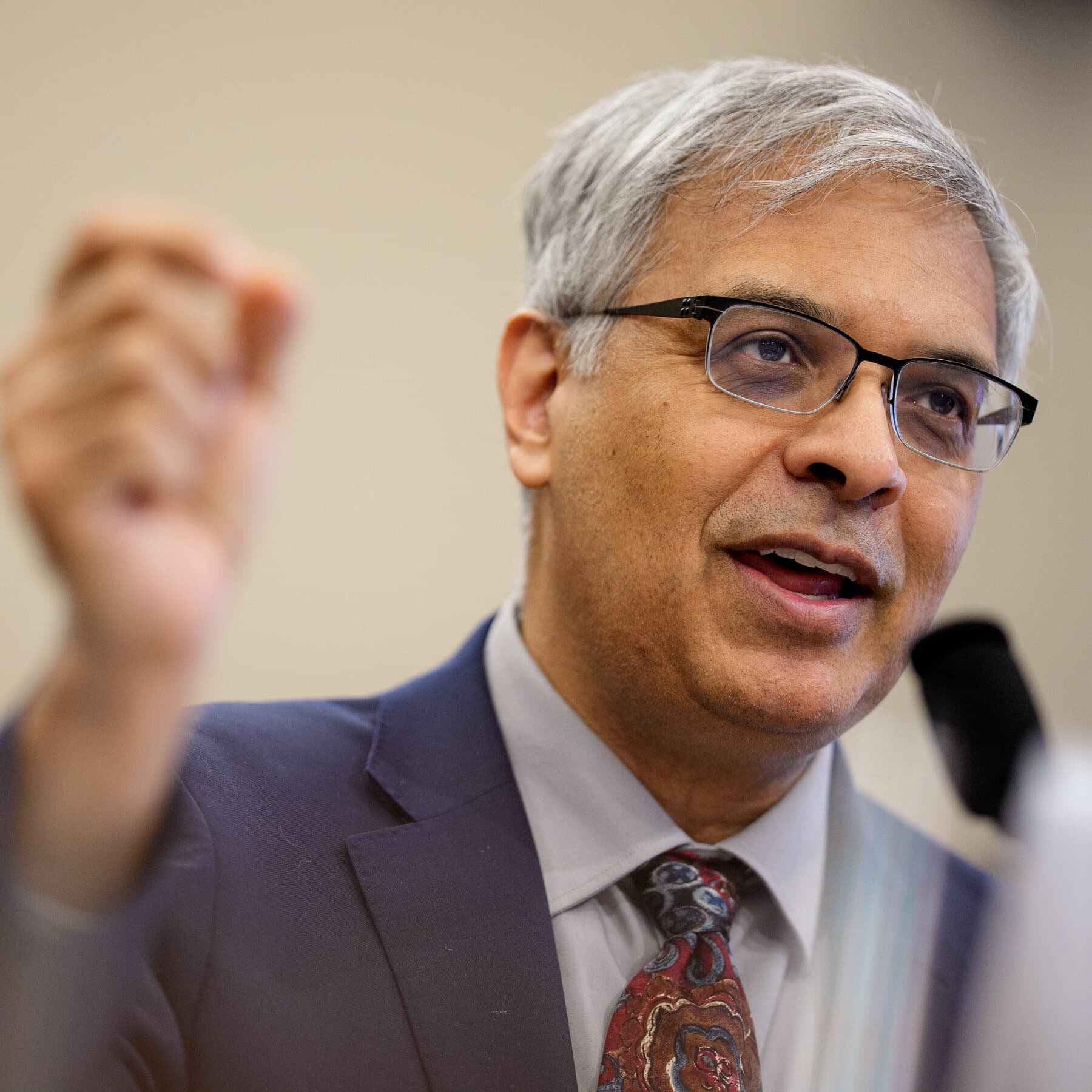
Here's what it means for you.
The delay in the CDC's vaccine effectiveness report could affect public trust in health guidance and vaccination rates.
Why it matters
This incident highlights ongoing tensions between scientific integrity and political influence in public health.
What happened (in 30 seconds)
- On April 9, 2026, Dr. Jay Bhattacharya, acting CDC director, delayed the release of a report on updated COVID-19 vaccine effectiveness.
- The report indicated that the vaccines reduced emergency visits by 50% and hospitalizations by 55% among healthy adults.
- Bhattacharya raised concerns over the study's methodology, prompting a review amid broader CDC leadership instability.
The context you actually need
- Dr. Jay Bhattacharya was appointed acting CDC director amid significant leadership changes within the agency, reflecting political pressures.
- The CDC's methodology for assessing vaccine effectiveness has been routinely criticized, with Bhattacharya's skepticism leading to the report's delay.
- Public health experts have expressed concerns about the politicization of scientific research, potentially undermining trust in health recommendations.
What's really happening
The delay in the CDC's report on COVID-19 vaccine effectiveness is emblematic of a larger struggle within public health agencies, particularly under the Trump administration's influence. Dr. Jay Bhattacharya, a controversial figure due to his past criticisms of lockdowns and vaccine mandates, took the helm of the CDC during a tumultuous period characterized by leadership upheaval and shifting public health policies. His decision to halt the report's release stems from concerns about the methodology employed in the study, specifically the use of observational data that may not adequately account for biases such as the "healthy vaccinee effect."
This effect refers to the phenomenon where healthier individuals are more likely to get vaccinated, potentially skewing results in favor of vaccine effectiveness. By questioning the validity of the study's findings, Bhattacharya has sparked a debate about the balance between scientific rigor and the urgency of public health communication. The CDC has historically relied on test-negative observational designs to assess vaccine effectiveness, but Bhattacharya's skepticism reflects a growing concern about the robustness of such methodologies in the context of COVID-19.
The implications of this delay are significant. Critics argue that it represents an unprecedented politicization of routine scientific processes, potentially eroding public trust in health authorities. Pro-vaccine advocates have voiced fears that this decision aligns with anti-vaccine sentiments, further complicating the already polarized landscape of public health discourse. Meanwhile, the White House has attempted to downplay the situation, emphasizing the importance of scientific integrity while also managing public perceptions of vaccine safety and efficacy.
As the CDC continues to operate under interim leadership, the agency faces the challenge of restoring confidence in its findings and recommendations. The delay has not yet resulted in immediate changes to U.S. governmental policies or market reactions regarding vaccine stocks, but it underscores the precarious nature of public health communication in a politically charged environment. The ongoing debate over vaccine effectiveness and the methodologies used to assess it will likely continue to influence public health strategies and vaccination campaigns in the future.
Who feels it first (and how)
- Public health officials: Increased scrutiny and pressure to justify vaccine policies.
- Healthcare providers: Potential hesitance among patients regarding vaccination due to delayed information.
- General public: Confusion and distrust in health guidance could impact vaccination rates.
What to watch next
- Future CDC reports: Monitor upcoming publications for changes in methodology or findings that may restore confidence.
- Public sentiment surveys: Watch for shifts in public trust regarding vaccines and health authorities following this incident.
- Legislative actions: Keep an eye on any proposed changes to public health policies that may arise in response to the delay.
The CDC delayed the report due to methodological concerns raised by Bhattacharya.
The incident will contribute to ongoing debates about vaccine effectiveness and public health communication.
The long-term impact on vaccination rates and public trust in health authorities remains uncertain.
Frequently Asked Questions
- Why it matters?
- This incident highlights ongoing tensions between scientific integrity and political influence in public health.
- What happened (in 30 seconds)?
- On April 9, 2026, Dr. Jay Bhattacharya, acting CDC director, delayed the release of a report on updated COVID-19 vaccine effectiveness. The report indicated that the vaccines reduced emergency visits by 50% and hospitalizations by 55% among healthy adults. Bhattacharya raised concerns over the study's methodology, prompting a review amid broader CDC leadership instability.
- What's really happening?
- The delay in the CDC's report on COVID-19 vaccine effectiveness is emblematic of a larger struggle within public health agencies, particularly under the Trump administration's influence. Dr. Jay Bhattacharya, a controversial figure due to his past criticisms of lockdowns and vaccine mandates, took the helm of the CDC during a tumultuous period characterized by leadership upheaval and shifting public health policies. His decision to halt the report's release stems from concerns about the methodol
- Who feels it first (and how)?
- Public health officials: Increased scrutiny and pressure to justify vaccine policies. Healthcare providers: Potential hesitance among patients regarding vaccination due to delayed information. General public: Confusion and distrust in health guidance could impact vaccination rates.
- What to watch next?
- Future CDC reports: Monitor upcoming publications for changes in methodology or findings that may restore confidence. Public sentiment surveys: Watch for shifts in public trust regarding vaccines and health authorities following this incident. Legislative actions: Keep an eye on any proposed changes to public health policies that may arise in response to the delay.
Capitol Hill news, legislation, and policy insight.
"The Hill specializes in U.S. politics and policy, with a focus on Capitol Hill developments and a reputation for insider reporting."
— A47 Editor
CDC delays COVID vaccine benefits report
The Centers for Disease Control and Prevention (CDC) has delayed the publication of a report detailing the benefits of the COVID-19 vaccine, following concerns raised by acting director Jay Bhattacharya regarding the report's methodology. This decisi...
Health trends, medical research, and fitness reporting.
"The New York Times is a globally recognized newspaper offering authoritative reporting with a center-left editorial stance."
— A47 Editor
Top C.D.C. Official Delays Report on Covid Shot’s Effectiveness
Dr. Jay Bhattacharya, the acting director of the Centers for Disease Control and Prevention and director of the National Institutes of Health, has delayed the release of a report on the effectiveness of the Covid vaccine, citing concerns over the stu...
Market-moving headlines impacting equities, bonds, and related risk assets.
"Real-time catalysts and volatility drivers across indices and sectors."
— A47 Editor
US CDC delays publishing report showing COVID vaccine benefits, WaPo reports
The US Centers for Disease Control and Prevention (CDC) has delayed the publication of a report that outlines the benefits of the COVID vaccine, according to a report by The Washington Post (WaPo). This postponement raises concerns about transparency...