
Greenland Prime Minister Rejects Trump's Comments Amid NATO Strains Over Iran War
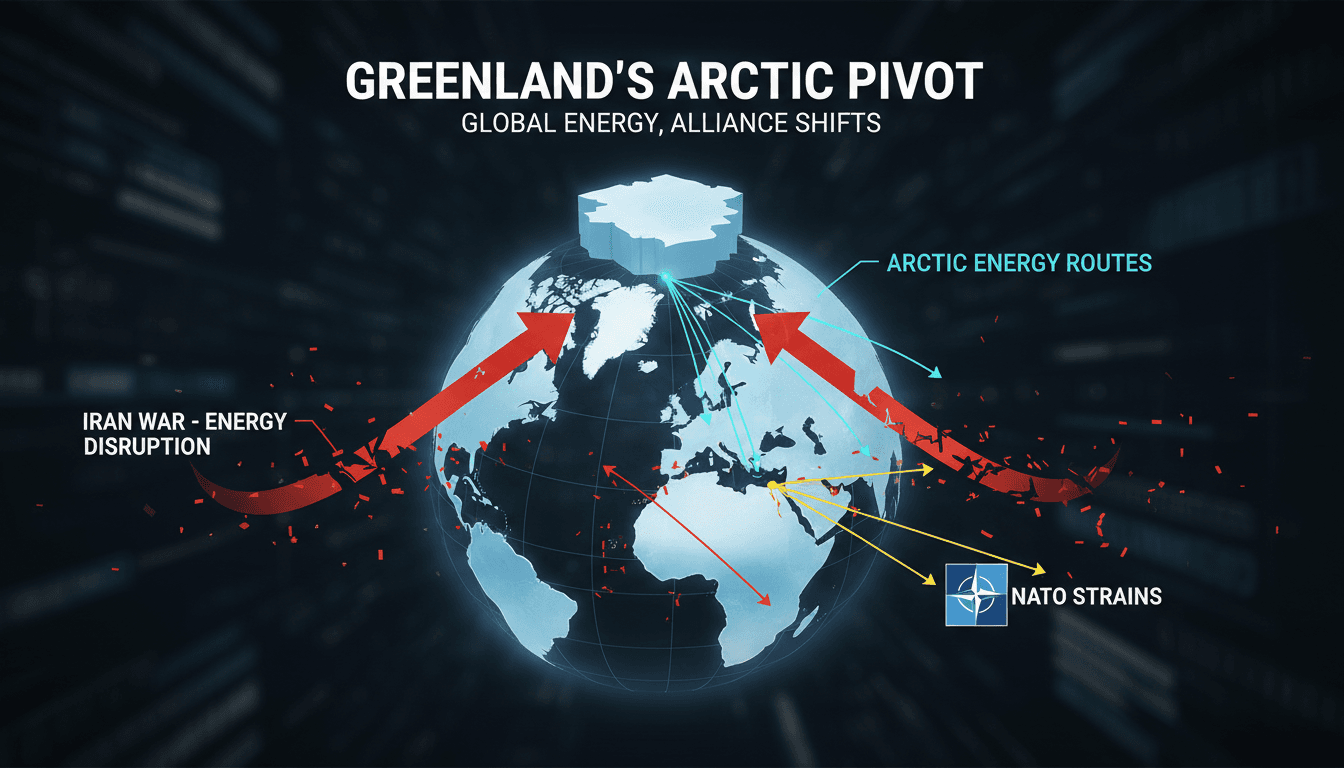
Here's what it means for you.
As global tensions rise, your business strategies may need to adapt to shifting alliances and market instabilities.
Why it matters
This diplomatic friction could influence global energy markets, impacting trade and finance dynamics in regions like Dubai.
What happened (in 30 seconds)
- April 8, 2026: U.S. President Donald Trump disparages Greenland, calling it a "BIG, POORLY RUN, PIECE OF ICE," amid NATO tensions over the Iran war.
- April 9, 2026: Greenland Prime Minister Jens-Frederik Nielsen rebuffs Trump's remarks, emphasizing Greenland's role in global citizenship and NATO solidarity.
- Current Status: Ongoing NATO tensions linked to the Iran conflict, with no immediate local governmental escalations reported.
The context you actually need
- Greenland's Population: Prime Minister Nielsen highlighted Greenland's 57,000 citizens to counter Trump's dismissive comments, showcasing their contributions to global affairs.
- NATO Dynamics: The U.S. has expressed frustration over NATO allies' support during the Iran war, straining relationships and prompting calls for unity.
- Geopolitical Importance: Greenland's strategic Arctic location is crucial for U.S. security interests, particularly concerning Russian and Chinese influence in the region.
What's really happening
The recent exchange between U.S. President Donald Trump and Greenland's Prime Minister Jens-Frederik Nielsen underscores a complex interplay of geopolitical tensions, national pride, and the fragility of international alliances. Trump's comments, made during a period of heightened NATO tensions over the Iran war, reflect a broader frustration with allied support—or lack thereof. His reference to Greenland as a "piece of ice" not only belittles the territory but also signals a renewed interest in its strategic value, which has been a point of contention since his previous attempts to acquire it from Denmark.
Greenland, an autonomous territory with a population of 57,000, plays a vital role in the Arctic region, where melting ice is opening new shipping routes and access to untapped resources. This geographical significance is compounded by the ongoing geopolitical rivalry between the U.S., Russia, and China. As the U.S. seeks to bolster its presence in the Arctic, Trump's remarks may be seen as an attempt to assert dominance in a region that is becoming increasingly contested.
Nielsen's response was not just a defense of Greenland but a call for unity among NATO allies. By emphasizing the importance of international law and the post-World War II order, he positioned Greenland as a contributor to global stability rather than a mere pawn in geopolitical games. This appeal to solidarity is crucial as NATO faces challenges in maintaining cohesion amid differing national interests, particularly concerning military engagements like the Iran war.
The implications of this exchange extend beyond diplomatic rhetoric. As tensions rise, the potential for economic ramifications increases, especially for countries like Denmark and its territories. The focus on Greenland's strategic value may lead to increased military investments and infrastructure development, which could shift local economies. Moreover, the ongoing instability in the region could affect global energy markets, with potential ripple effects felt in trade hubs like Dubai, where reliance on stable energy prices is paramount.
Who feels it first (and how)
- Business Leaders: Those in sectors reliant on stable energy prices may face volatility due to geopolitical tensions.
- Government Officials: Diplomats and policymakers will need to navigate the complexities of NATO unity and regional security.
- Local Populations: Greenland's citizens may experience shifts in economic opportunities and international relations dynamics.
What to watch next
- NATO Response: Watch for statements or actions from NATO allies regarding unity and support in the face of U.S. criticisms, as this could signal shifts in military strategy.
- Energy Market Fluctuations: Monitor oil prices and energy market stability, particularly in relation to the Iran conflict, as these could impact Dubai's economy.
- Greenland's Strategic Developments: Keep an eye on any developments regarding Greenland's infrastructure or military presence, which could alter its role in Arctic geopolitics.
Trump's comments have strained U.S.-Greenland relations and highlighted NATO tensions.
Increased focus on Greenland's strategic importance may lead to economic and military developments in the region.
The long-term effects of these tensions on global energy markets and trade dynamics remain uncertain.
Frequently Asked Questions
- Why it matters?
- This diplomatic friction could influence global energy markets, impacting trade and finance dynamics in regions like Dubai.
- What happened (in 30 seconds)?
- April 8, 2026: U.S. President Donald Trump disparages Greenland, calling it a "BIG, POORLY RUN, PIECE OF ICE," amid NATO tensions over the Iran war. April 9, 2026: Greenland Prime Minister Jens-Frederik Nielsen rebuffs Trump's remarks, emphasizing Greenland's role in global citizenship and NATO solidarity. Current Status: Ongoing NATO tensions linked to the Iran conflict, with no immediate local governmental escalations reported.
- What's really happening?
- The recent exchange between U.S. President Donald Trump and Greenland's Prime Minister Jens-Frederik Nielsen underscores a complex interplay of geopolitical tensions, national pride, and the fragility of international alliances. Trump's comments, made during a period of heightened NATO tensions over the Iran war, reflect a broader frustration with allied support—or lack thereof. His reference to Greenland as a "piece of ice" not only belittles the territory but also signals a renewed interest in
- Who feels it first (and how)?
- Business Leaders: Those in sectors reliant on stable energy prices may face volatility due to geopolitical tensions. Government Officials: Diplomats and policymakers will need to navigate the complexities of NATO unity and regional security. Local Populations: Greenland's citizens may experience shifts in economic opportunities and international relations dynamics.
- What to watch next?
- NATO Response: Watch for statements or actions from NATO allies regarding unity and support in the face of U.S. criticisms, as this could signal shifts in military strategy. Energy Market Fluctuations: Monitor oil prices and energy market stability, particularly in relation to the Iran conflict, as these could impact Dubai's economy. Greenland's Strategic Developments: Keep an eye on any developments regarding Greenland's infrastructure or military presence, which could alter its role in Arc
Regional coverage and analysis focused on politics, diplomacy, and business across the Middle East.
"Al-Monitor is known for analytical reporting on Middle East politics and policy developments."
— A47 Editor
Greenland prime minister rebuffs Trump remarks as NATO tensions rise
Greenland's Prime Minister Jens-Frederik Nielsen has responded to U.S. President Donald Trump's derogatory remarks about Greenland, asserting the island's pride and commitment to global order amid rising NATO tensions. Trump criticized NATO for its l...
Macro commentary, policy analysis, growth/inflation themes, and global outlooks.
"Contextual macro coverage that complements day-to-day market headlines."
— A47 Editor
Greenland leader pushes back on Trump’s ’piece of ice’ remark
The leader of Greenland has responded to former President Donald Trump's derogatory comment referring to the territory as a 'piece of ice.' This remark has sparked significant backlash, highlighting tensions surrounding Greenland's geopolitical impor...