
Trump Sets Deadline for Iran to Reopen Strait of Hormuz Amid Ongoing Conflict
Here's what it means for you.
Rising oil prices could impact your daily expenses and investment strategies.
Why it matters
The ongoing conflict threatens global energy security, affecting markets and consumers worldwide.
What happened (in 30 seconds)
- Trump issued a deadline for Iran to reopen the Strait of Hormuz by April 7, threatening military action if unmet.
- Oil prices surged with Brent crude benchmarks exceeding $110 per barrel due to the strait's closure.
- Ceasefire negotiations are underway, mediated by Egypt, Pakistan, and Turkey, amid ongoing military strikes.
The context you actually need
- The conflict began on February 28, 2026, with US and Israeli forces targeting Iran's nuclear capabilities, prompting Iranian retaliation.
- Iran's closure of the Strait of Hormuz has disrupted a critical global oil supply route, escalating economic impacts.
- Regional tensions have led to increased military readiness among Gulf states, with significant interceptions of Iranian missiles and drones.
What's really happening
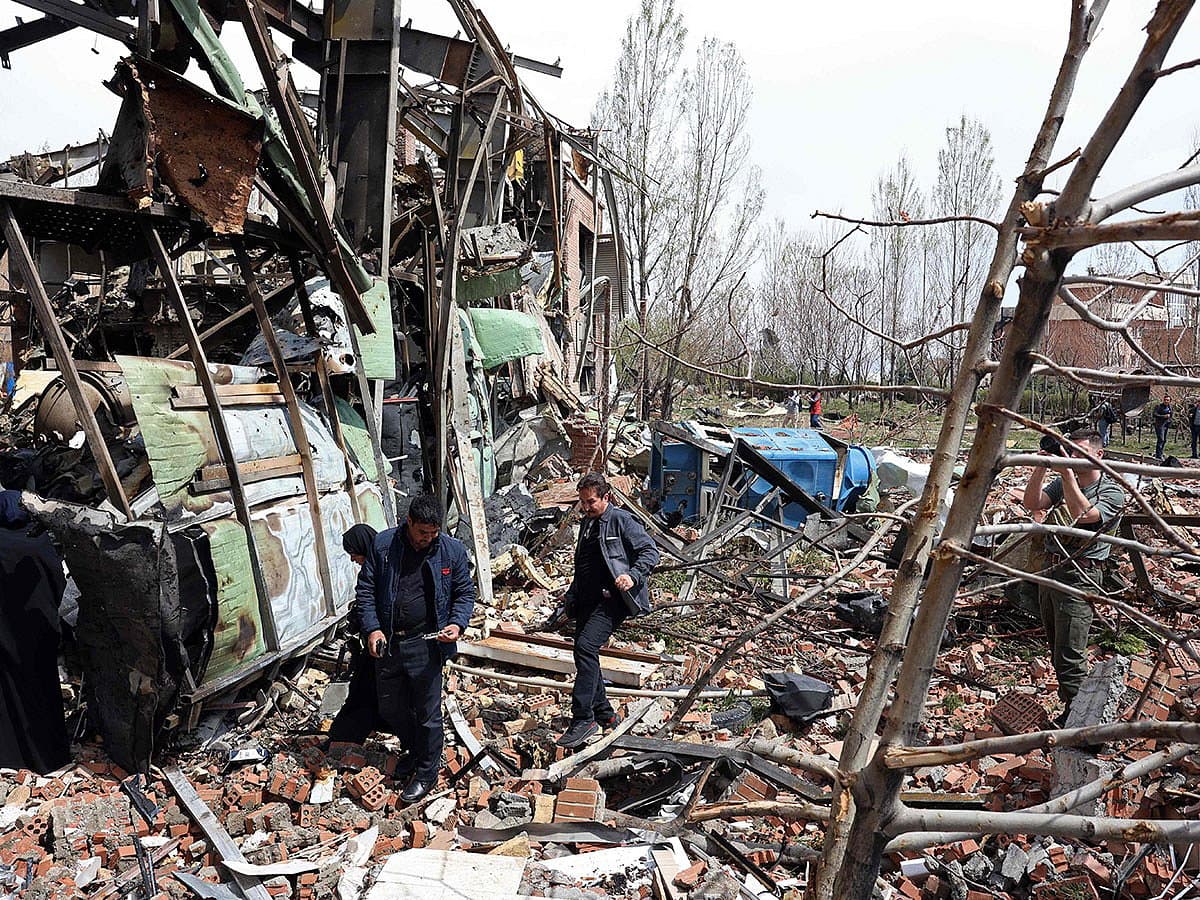
The US–Israel war on Iran has escalated significantly since its inception, driven by a concerted effort to dismantle Iran's nuclear and missile programs. This military initiative, dubbed Operation Epic Fury, has seen nearly 900 strikes targeting key Iranian infrastructures, including nuclear facilities and leadership figures. In response, Iran has launched hundreds of ballistic missiles and drones, targeting US bases and Gulf states that host American forces.
The closure of the Strait of Hormuz, a vital maritime chokepoint for global oil transport, has created immediate and far-reaching economic repercussions. With oil benchmarks now exceeding $110 per barrel, the implications for global markets are profound. The surge in oil prices is not merely a reflection of supply and demand dynamics; it also signals heightened geopolitical risk, which can lead to inflationary pressures across various sectors.
The deadline set by President Trump for Iran to reopen the strait is a critical juncture. Should Iran fail to comply, the US has threatened military action against Iranian power plants and infrastructure, which could further escalate the conflict and disrupt oil supplies even more. The involvement of mediators from Egypt, Pakistan, and Turkey in ceasefire negotiations indicates a growing concern among regional players about the conflict's potential to spiral out of control.
The situation is compounded by the fact that Gulf states, particularly the UAE and Bahrain, have been actively intercepting Iranian missiles and drones, showcasing the high stakes involved. These interceptions have not only prevented immediate threats but have also heightened the military readiness in the region, creating a precarious balance of power.
As the conflict continues, the International Atomic Energy Agency (IAEA) has raised alarms about strikes near Iran's nuclear facilities, emphasizing the risk of broader nuclear proliferation. The economic fallout is already being felt, with countries like Indonesia and Sri Lanka adjusting fuel prices in response to rising costs. The interconnectedness of global markets means that any disruption in oil supply can lead to cascading effects on energy prices, transportation costs, and ultimately consumer prices worldwide.
Who feels it first (and how)
- Consumers: Higher fuel prices will increase transportation and goods costs.
- Investors: Volatility in oil markets may impact stock portfolios, especially in energy sectors.
- Businesses: Companies reliant on oil and gas may face increased operational costs, affecting profit margins.
- Governments: Nations dependent on oil imports will experience economic strain, potentially leading to inflation.
What to watch next
- Iran's response to the deadline: How Iran reacts to Trump's ultimatum will shape the conflict's trajectory and oil supply stability.
- Ceasefire negotiations: Progress or setbacks in talks could influence market sentiment and oil prices.
- Global oil demand trends: Shifts in demand, especially from major consumers like China and the US, will impact price movements.
Oil prices are currently elevated due to the conflict and strait closure.
Continued military engagement will further strain oil supplies and elevate prices.
The outcome of ceasefire negotiations and their impact on regional stability.
Frequently Asked Questions
- Why it matters?
- The ongoing conflict threatens global energy security, affecting markets and consumers worldwide.
- What happened (in 30 seconds)?
- Trump issued a deadline for Iran to reopen the Strait of Hormuz by April 7, threatening military action if unmet. Oil prices surged with Brent crude benchmarks exceeding $110 per barrel due to the strait's closure. Ceasefire negotiations are underway, mediated by Egypt, Pakistan, and Turkey, amid ongoing military strikes.
- What's really happening?
- The US–Israel war on Iran has escalated significantly since its inception, driven by a concerted effort to dismantle Iran's nuclear and missile programs. This military initiative, dubbed Operation Epic Fury, has seen nearly 900 strikes targeting key Iranian infrastructures, including nuclear facilities and leadership figures. In response, Iran has launched hundreds of ballistic missiles and drones, targeting US bases and Gulf states that host American forces. The closure of the Strait of Hormu
- Who feels it first (and how)?
- Consumers: Higher fuel prices will increase transportation and goods costs. Investors: Volatility in oil markets may impact stock portfolios, especially in energy sectors. Businesses: Companies reliant on oil and gas may face increased operational costs, affecting profit margins. Governments: Nations dependent on oil imports will experience economic strain, potentially leading to inflation.
- What to watch next?
- Iran's response to the deadline: How Iran reacts to Trump's ultimatum will shape the conflict's trajectory and oil supply stability. Ceasefire negotiations: Progress or setbacks in talks could influence market sentiment and oil prices. Global oil demand trends: Shifts in demand, especially from major consumers like China and the US, will impact price movements.
National headlines across the United States including breaking stories and societal issues.
"NBC News is a mainstream media outlet known for comprehensive national and international news coverage with a centrist to slightly left-leaning editorial tone."
— A47 Editor
U.S. and Iran receive 45-day ceasefire proposal
The United States and Iran have received a proposal for a 45-day ceasefire amid escalating tensions, with mediators from Egypt, Pakistan, and Turkey facilitating the discussions. This proposal aims to halt ongoing military conflicts and potentially r...
Capitol Hill news, legislation, and policy insight.
"The Hill specializes in U.S. politics and policy, with a focus on Capitol Hill developments and a reputation for insider reporting."
— A47 Editor
US, Iran receive draft ceasefire proposal: Reports
The U.S. and Iran have received a draft ceasefire proposal from mediators in Egypt, Pakistan, and Turkey, aimed at halting their ongoing conflict for a duration of 45 days. This proposal comes amid escalating tensions between the two nations, particu...
Regional and international reporting focused on Middle Eastern politics, diplomacy, and economics.
"Asharq Al-Awsat is a Saudi-owned international newspaper reflecting mainstream Gulf political perspectives."
— A47 Editor
Iran Rejects Latest Ceasefire Proposal as Trump Deadline Approaches
Iran has rejected the latest ceasefire proposal as tensions escalate ahead of a deadline set by President Trump for Iran to reopen the strategically vital Strait of Hormuz. This rejection follows a series of military confrontations and diplomatic neg...
Coverage of national news and events from across the United States.
"HuffPost is known for its progressive editorial stance, offering opinionated yet comprehensive coverage on social, political, and cultural topics."
— A47 Editor
US, Iran And Mediators Make Push For 45-day Ceasefire: Axios
The United States and Iran are currently engaged in discussions regarding a proposed 45-day ceasefire, as reported by Axios. This initiative aims to halt the ongoing military conflict and is facilitated by mediators from Egypt, Pakistan, and Turkey. ...
Macro commentary, policy analysis, growth/inflation themes, and global outlooks.
"Contextual macro coverage that complements day-to-day market headlines."
— A47 Editor
US-Iran mediators push for potential 45-day ceasefire, Axios reports
US-Iran mediators are reportedly advocating for a potential 45-day ceasefire, as reported by Axios, amidst ongoing tensions between the two nations. This development follows President Trump's announcement that Iran has requested a ceasefire, which ha...
A curated Gulf News feed featuring major stories across news, business, opinion, and lifestyle.
"Gulf News is a major UAE newspaper whose featured stories feed reflects a broad editorial mix shaped for a Gulf audience."
— A47 Editor
US–Israel war on Iran, day 38: 45-day ceasefire talks underway
The ongoing US-Israel military campaign against Iran has entered its 38th day, with discussions for a proposed 45-day ceasefire currently underway. This development follows a series of escalating military tensions, including the recent downing of U.S...
UAE-based newspaper covering Gulf politics, society, and international developments.
"Gulf News is one of the UAE’s most prominent English-language publications."
— A47 Editor
US–Israel war on Iran, day 38: 45-day ceasefire talks underway
The ongoing US-Israel military campaign against Iran has entered its 38th day, with discussions for a proposed 45-day ceasefire currently underway. This development follows a series of escalating military tensions, including the recent downing of U.S...