
Keir Starmer Concludes Gulf Tour Emphasizing NATO's Role in U.S. Interests
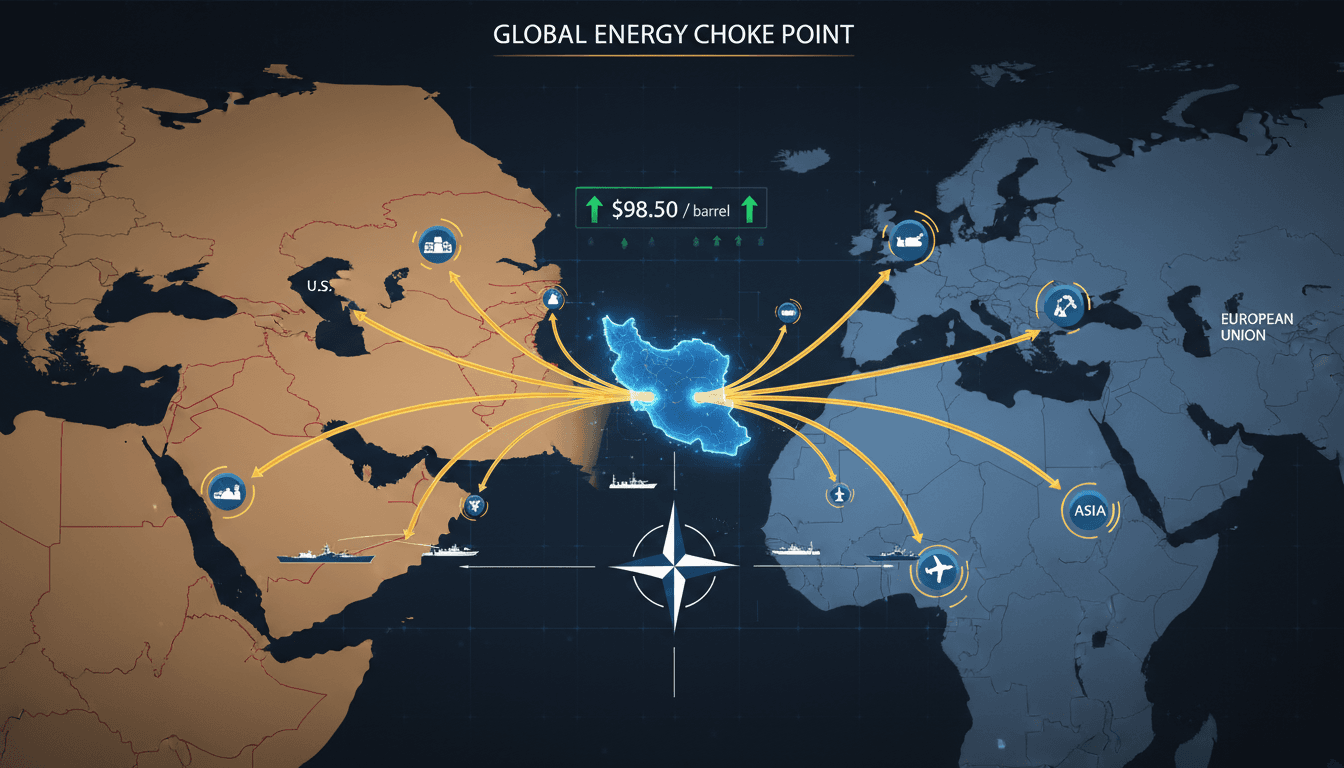
Here's what it means for you.
The evolving geopolitical landscape may affect energy prices and international trade routes critical to your business.
Why it matters
Starmer's reaffirmation of NATO's role in U.S. interests signals potential shifts in global alliances and energy security.
What happened (in 30 seconds)
- Keir Starmer concluded a Gulf diplomatic tour on April 10, 2026, emphasizing NATO's alignment with U.S. strategic interests.
- The tour aimed to stabilize a fragile U.S.-Iran ceasefire and coordinate the reopening of the Strait of Hormuz, crucial for global oil trade.
- Starmer's comments followed U.S. President Trump's threats to withdraw from NATO, raising concerns about European security and energy prices.
The context you actually need
- The Strait of Hormuz is vital, with 25% of global maritime oil trade passing through it, making its stability crucial for energy markets.
- Starmer's remarks were a response to geopolitical tensions exacerbated by U.S.-Iran conflicts and Israeli military actions in Lebanon.
- The UK is forming a coalition of over 30 nations to ensure navigation safety in the Strait, highlighting the importance of international cooperation in energy security.
What's really happening
Keir Starmer's recent diplomatic tour across the Gulf states marks a significant moment in the evolving landscape of international relations, particularly concerning NATO's role and U.S. strategic interests. The backdrop of this tour is a fragile ceasefire between the U.S. and Iran, which has been threatened by escalating tensions in the region, notably due to Israeli strikes in Lebanon. Starmer's assertion that NATO serves U.S. interests comes at a time when President Trump has expressed dissatisfaction with NATO allies, particularly after their reluctance to support U.S. military actions against Iran.
The Strait of Hormuz, through which approximately 25% of the world's oil trade transits, has been a focal point of these tensions. Iran's previous threats to close this critical waterway have raised alarms about global energy security and price volatility. Starmer's tour aimed to reassure Gulf leaders and coordinate efforts to reopen the Strait, thus stabilizing oil prices and ensuring the flow of energy resources. His discussions with leaders from Saudi Arabia, the UAE, Bahrain, and Qatar were not just about immediate military logistics but also about long-term regional stability and economic cooperation.
Starmer's comments on NATO highlight a broader narrative about European defense responsibilities. By calling for increased burden-sharing among NATO allies, he is positioning the UK as a proactive player in ensuring collective security, particularly in light of U.S. hesitance. This is crucial for European nations that rely heavily on energy imports from the Gulf region. The UK’s energy price volatility, which Starmer attributed to actions by Trump and Putin, underscores the interconnectedness of global politics and local economies.
The aftermath of the ceasefire announcement saw a decline in oil prices and a rise in global stock markets, indicating a temporary easing of tensions. However, the situation remains precarious, with Gulf leaders describing the ceasefire as fragile. The UK-led coalition's efforts to secure navigation in the Strait of Hormuz will be critical in the coming months, as any disruptions could have immediate repercussions on global energy markets and economic stability.
Who feels it first (and how)
- Energy sector professionals: Fluctuations in oil prices directly impact their operations and profitability.
- Logistics and shipping companies: Any disruptions in the Strait of Hormuz affect shipping routes and costs.
- Consumers in the UAE: Increased energy costs due to regional tensions may lead to higher living expenses.
- Investors in global markets: Changes in oil prices can influence stock market performance and investment strategies.
What to watch next
- NATO's response to Trump's demands: How NATO allies react to U.S. pressure could reshape defense strategies and alliances.
- Stability of the U.S.-Iran ceasefire: Continued monitoring of ceasefire developments will be crucial for predicting energy market fluctuations.
- Energy price trends in the Gulf: Watch for shifts in oil prices that could signal broader economic impacts and consumer behavior changes.
The Strait of Hormuz is critical for global oil trade, with 25% of maritime oil passing through it.
Continued geopolitical tensions will affect energy prices and international trade routes.
The long-term effects of Starmer's NATO remarks on European defense policies and U.S.-UK relations.
Frequently Asked Questions
- Why it matters?
- Starmer's reaffirmation of NATO's role in U.S. interests signals potential shifts in global alliances and energy security.
- What happened (in 30 seconds)?
- Keir Starmer concluded a Gulf diplomatic tour on April 10, 2026, emphasizing NATO's alignment with U.S. strategic interests. The tour aimed to stabilize a fragile U.S.-Iran ceasefire and coordinate the reopening of the Strait of Hormuz, crucial for global oil trade. Starmer's comments followed U.S. President Trump's threats to withdraw from NATO, raising concerns about European security and energy prices.
- What's really happening?
- Keir Starmer's recent diplomatic tour across the Gulf states marks a significant moment in the evolving landscape of international relations, particularly concerning NATO's role and U.S. strategic interests. The backdrop of this tour is a fragile ceasefire between the U.S. and Iran, which has been threatened by escalating tensions in the region, notably due to Israeli strikes in Lebanon. Starmer's assertion that NATO serves U.S. interests comes at a time when President Trump has expressed dissat
- Who feels it first (and how)?
- Energy sector professionals: Fluctuations in oil prices directly impact their operations and profitability. Logistics and shipping companies: Any disruptions in the Strait of Hormuz affect shipping routes and costs. Consumers in the UAE: Increased energy costs due to regional tensions may lead to higher living expenses. Investors in global markets: Changes in oil prices can influence stock market performance and investment strategies.
- What to watch next?
- NATO's response to Trump's demands: How NATO allies react to U.S. pressure could reshape defense strategies and alliances. Stability of the U.S.-Iran ceasefire: Continued monitoring of ceasefire developments will be crucial for predicting energy market fluctuations. Energy price trends in the Gulf: Watch for shifts in oil prices that could signal broader economic impacts and consumer behavior changes.
Regional coverage and analysis focused on politics, diplomacy, and business across the Middle East.
"Al-Monitor is known for analytical reporting on Middle East politics and policy developments."
— A47 Editor
Starmer says NATO in US's 'interests' as Gulf tour ends
British Prime Minister Keir Starmer concluded a three-day visit to the Gulf, asserting that NATO is in the interests of both the US and Europe, amid ongoing tensions related to the US-Iran conflict. His remarks come in the wake of US President Donald...
News from the United States including domestic politics, society, and culture.
"The Guardian is known for its progressive editorial stance and in-depth analysis, often advocating for social justice, environmental issues, and liberal values."
— A47 Editor
Remaining in Nato is in best interests of US, says Keir Starmer
British Prime Minister Keir Starmer emphasized the importance of the United States remaining in NATO, countering former President Donald Trump's threats to withdraw from the alliance amid escalating tensions due to the war in Iran. Starmer's remarks ...
International coverage from The Guardian's global desks.
"The Guardian is known for its progressive editorial stance and in-depth analysis."
— A47 Editor
Remaining in Nato is in best interests of US, says Keir Starmer
UK Prime Minister Keir Starmer has asserted that it is in the best interests of the United States to remain in NATO, particularly in light of the ongoing conflict in Iran. During a recent trip to the Gulf, Starmer countered former President Donald Tr...
Arabic-language UAE newspaper coverage focused on domestic affairs, public institutions, business, society, and regional developments.
"Al Khaleej coverage generally reflects a mainstream UAE editorial lens with strong attention to public affairs, institutions, and regional developments."
— A47 Editor
ستارمر: حلف «الناتو» يصب في مصلحة أمريكا
British Prime Minister Keir Starmer stated on Friday that membership in the North Atlantic Treaty Organization (NATO) is beneficial for the United States. This assertion highlights the strategic importance of NATO in strengthening transatlantic ties ...