
IMF Warns Iran War Will Lower Global Economic Growth Forecasts
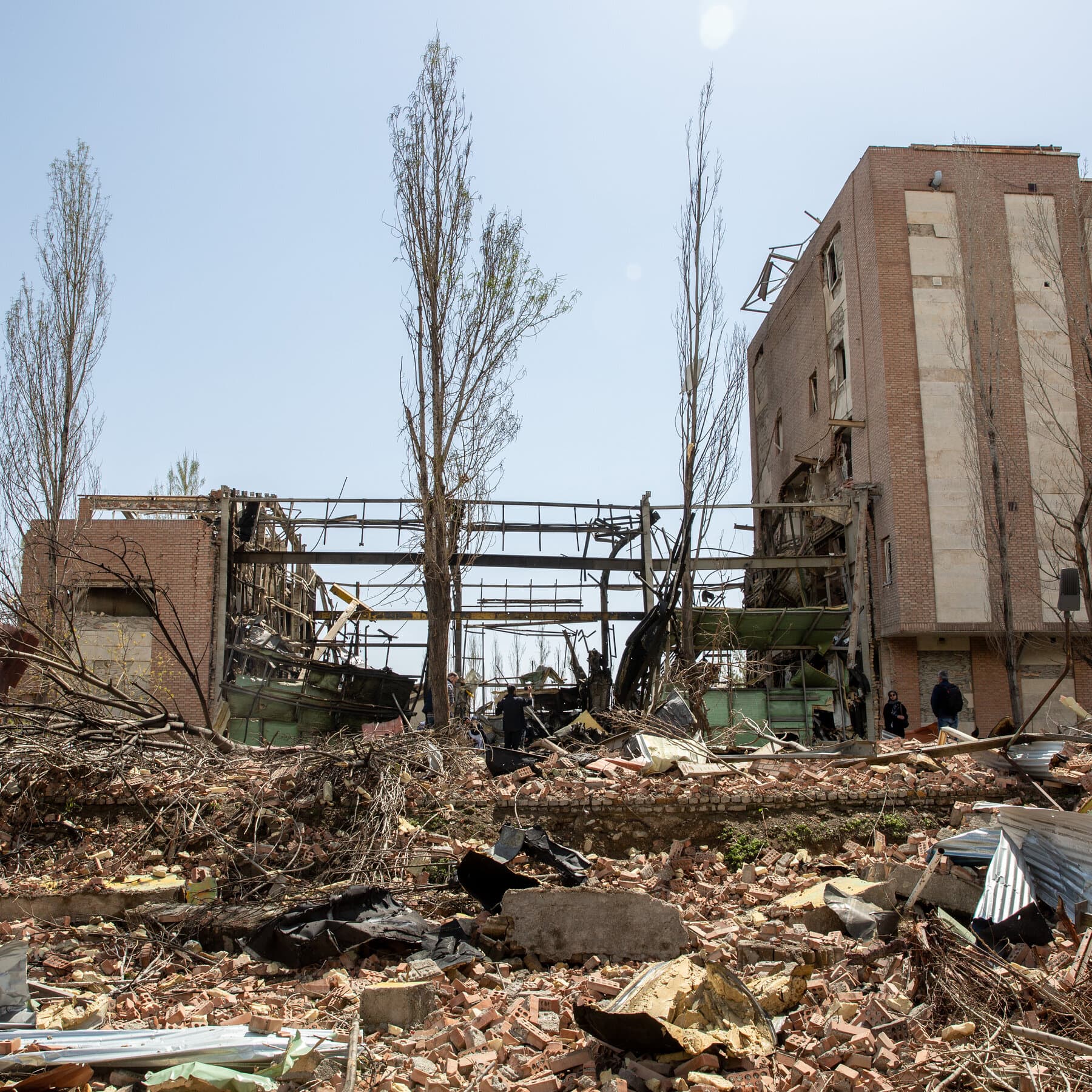
Here's what it means for you.
If you’re in a sector reliant on stable energy prices or international trade, the ongoing conflict in Iran could significantly impact your costs and market stability.
Why it matters
The Iran war is poised to disrupt global economic growth, affecting everything from energy prices to inflation rates.
What happened (in 30 seconds)
- February 28, 2026: U.S. and Israeli forces launched airstrikes on Iranian military and nuclear sites, escalating tensions.
- April 9, 2026: The International Monetary Fund (IMF) warned that the conflict would lower global growth forecasts, with oil prices exceeding $100 per barrel.
- Current Status: A fragile truce was agreed upon on April 8, 2026, but the economic repercussions are already being felt worldwide.
The context you actually need
- Geopolitical Tensions: The conflict stems from longstanding issues, including nuclear concerns and proxy wars, intensified by U.S. foreign policy.
- Energy Supply Risks: Iran's threats to close the Strait of Hormuz could disrupt 20% of global oil transit, leading to price surges and inflation.
- Regional Impact: The UAE has already seen a $120 billion loss in stock markets, highlighting the immediate economic fallout from the conflict.
What's really happening
The war in Iran, ignited by U.S. and Israeli airstrikes, has sent shockwaves through the global economy. The IMF's warning on April 9, 2026, about reduced growth forecasts highlights the interconnectedness of geopolitical events and economic stability. With oil prices surpassing $100 per barrel, the immediate risk is inflation, which can erode purchasing power and strain household budgets.
The conflict has disrupted energy infrastructure and supply chains, leading to a precarious situation for businesses reliant on stable energy costs. The IMF's Managing Director, Kristalina Georgieva, emphasized that the war could have lasting effects on global economic growth, which was previously projected at 3.1%.
The fragile truce established on April 8, 2026, may provide temporary relief, but the underlying tensions remain unresolved. The potential for renewed hostilities looms large, especially with Iran's threats to retaliate against any further military actions. This uncertainty is causing businesses and investors to adopt a cautious approach, impacting market confidence and investment decisions.
In the UAE, the economic repercussions are already evident. The $120 billion wipeout in stock markets reflects investor anxiety and the potential for a broader economic slowdown. The UAE government has implemented an economic shield plan, providing liquidity support to businesses affected by the conflict. This move underscores the urgency of stabilizing the economy amid rising fuel prices and a potential expatriate exodus, which could further impact tourism and property sectors.
As the situation evolves, the IMF has urged countries to diversify their energy sources to mitigate the risks associated with reliance on oil. The Gulf states are likely to reassess their alliances and investments in the wake of the conflict, which could reshape the geopolitical landscape in the region.
Who feels it first (and how)
- Energy Sector: Companies reliant on oil and gas will face increased operational costs and volatility in pricing.
- Investors: Stock market fluctuations will impact portfolios, especially in regions directly affected by the conflict.
- Expatriates in the UAE: Rising costs and economic instability may lead to an exodus, affecting local economies and housing markets.
- Consumers: Households will feel the pinch from rising fuel prices and potential inflation, impacting disposable income.
What to watch next
- Oil Price Trends: Monitoring fluctuations in oil prices will be crucial, as they directly affect inflation and economic stability.
- Geopolitical Developments: Any shifts in the truce or renewed military actions could have immediate repercussions on global markets.
- Central Bank Responses: Watch for monetary policy adjustments from central banks, particularly the Federal Reserve, as they navigate inflationary pressures.
Oil prices have exceeded $100 per barrel due to the conflict.
Continued economic instability in the UAE and potential shifts in geopolitical alliances.
The long-term impact on global economic growth and the sustainability of the truce.
Frequently Asked Questions
- Why it matters?
- The Iran war is poised to disrupt global economic growth, affecting everything from energy prices to inflation rates.
- What happened (in 30 seconds)?
- February 28, 2026: U.S. and Israeli forces launched airstrikes on Iranian military and nuclear sites, escalating tensions. April 9, 2026: The International Monetary Fund (IMF) warned that the conflict would lower global growth forecasts, with oil prices exceeding $100 per barrel. Current Status: A fragile truce was agreed upon on April 8, 2026, but the economic repercussions are already being felt worldwide.
- What's really happening?
- The war in Iran, ignited by U.S. and Israeli airstrikes, has sent shockwaves through the global economy. The IMF's warning on April 9, 2026, about reduced growth forecasts highlights the interconnectedness of geopolitical events and economic stability. With oil prices surpassing $100 per barrel, the immediate risk is inflation, which can erode purchasing power and strain household budgets. The conflict has disrupted energy infrastructure and supply chains, leading to a precarious situation for
- Who feels it first (and how)?
- Energy Sector: Companies reliant on oil and gas will face increased operational costs and volatility in pricing. Investors: Stock market fluctuations will impact portfolios, especially in regions directly affected by the conflict. Expatriates in the UAE: Rising costs and economic instability may lead to an exodus, affecting local economies and housing markets. Consumers: Households will feel the pinch from rising fuel prices and potential inflation, impacting disposable income.
- What to watch next?
- Oil Price Trends: Monitoring fluctuations in oil prices will be crucial, as they directly affect inflation and economic stability. Geopolitical Developments: Any shifts in the truce or renewed military actions could have immediate repercussions on global markets. Central Bank Responses: Watch for monetary policy adjustments from central banks, particularly the Federal Reserve, as they navigate inflationary pressures.
Regional coverage and analysis focused on politics, diplomacy, and business across the Middle East.
"Al-Monitor is known for analytical reporting on Middle East politics and policy developments."
— A47 Editor
IMF chief urges nations to 'do no harm' in fiscal response to Iran war
The International Monetary Fund (IMF) chief, Kristalina Georgieva, has called on governments to implement disciplined fiscal measures in response to the economic shocks stemming from the ongoing war in Iran, emphasizing the need to 'do no harm.' She ...
Sports reporting with a focus on Saudi and regional competitions.
"Okaz sports coverage is broad and audience-friendly, with strong attention to Saudi teams and leagues."
— A47 Editor
«النقد الدولي»: الحرب خفضت توقعات النمو العالمي
Kristalina Georgieva, the Managing Director of the International Monetary Fund (IMF), announced that the ongoing war in the Middle East has significantly lowered global growth forecasts. She highlighted that the upcoming IMF and World Bank meetings w...
Markets, economy, and company analysis from NYT’s business desk.
"The New York Times is a globally recognized newspaper offering authoritative reporting with a center-left editorial stance."
— A47 Editor
I.M.F. Says Iran War Will Drag Global Growth Lower
Kristalina Georgieva, head of the International Monetary Fund (IMF), stated that the ongoing war in Iran is expected to slow global economic growth this year, potentially leading to increased inflation and higher interest rates. The conflict has alre...
Social/economic commentary and analysis relevant to business and markets.
"WSJ blends data-driven economic insight with commentary on policy and society."
— A47 Editor
IMF Chief Expects Slowdown on Global Economic Growth Even if Peace Is ‘Durable’
Kristalina Georgieva, Managing Director of the International Monetary Fund (IMF), has indicated that global economic growth is expected to slow down, even if a durable peace is achieved following the recent conflict involving the U.S. and Israel's ac...
News from the United States including domestic politics, society, and culture.
"The Guardian is known for its progressive editorial stance and in-depth analysis, often advocating for social justice, environmental issues, and liberal values."
— A47 Editor
Head of IMF says Iran war will permanently scar global economy even if peace is reached
Kristalina Georgieva, the head of the International Monetary Fund (IMF), has warned that the ongoing conflict in Iran will have lasting negative impacts on the global economy, even if a peace agreement is reached. She highlighted that the war's scarr...
International coverage from The Guardian's global desks.
"The Guardian is known for its progressive editorial stance and in-depth analysis."
— A47 Editor
Head of IMF says Iran war will permanently scar global economy even if peace is reached
Kristalina Georgieva, the head of the International Monetary Fund (IMF), has warned that the ongoing conflict in Iran will have lasting negative impacts on the global economy, even if a peace agreement is reached. She highlighted that the war's effec...
UK and international business news, economics, and corporate coverage.
"The Guardian’s business section covers finance and markets with a progressive editorial tone."
— A47 Editor
Head of IMF says Iran war will permanently scar global economy even if peace is reached
Kristalina Georgieva, the head of the International Monetary Fund (IMF), has warned that the ongoing conflict in Iran will have lasting negative impacts on the global economy, even if a peace agreement is reached. She highlighted that the war's scarr...