
U.S. Military Initiates Global Boarding Operations Against Iran-Linked Vessels Amid Strait of Hormuz Tensions
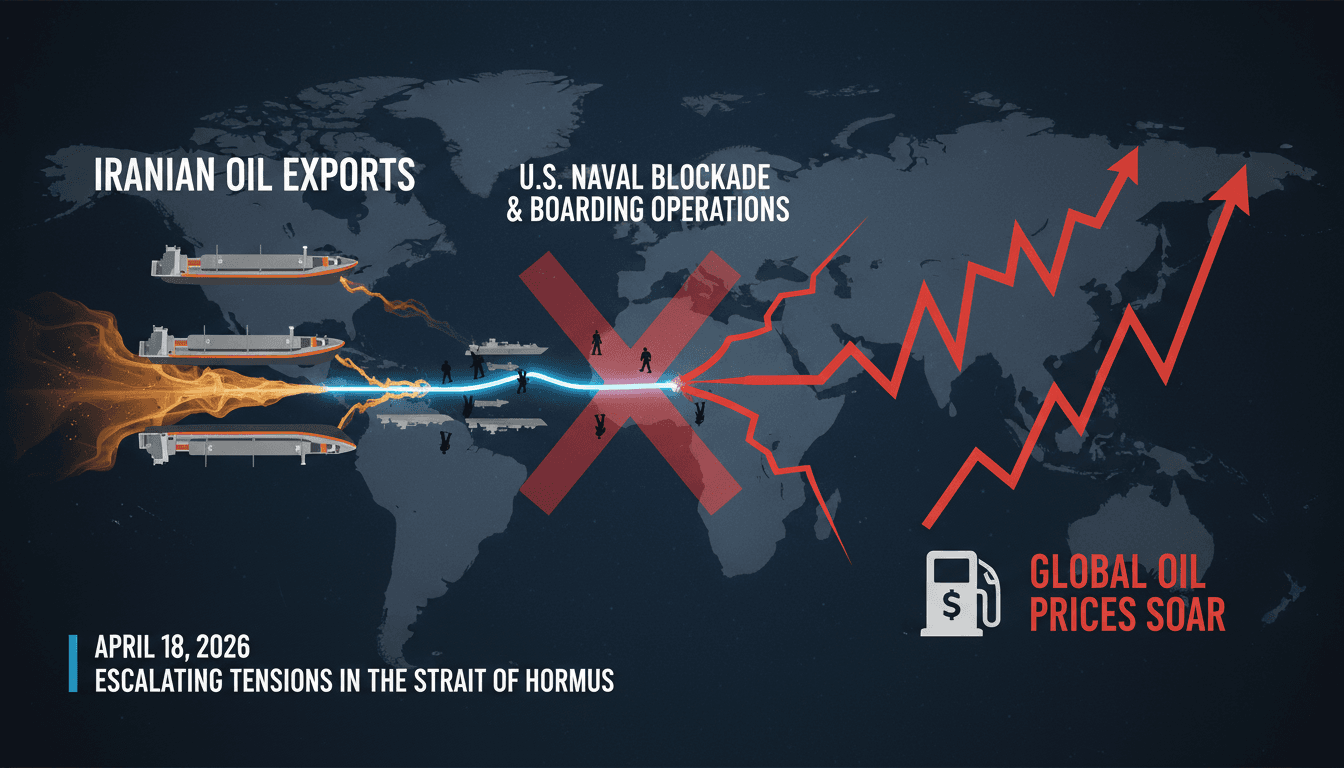
Here's what it means for you.
Rising tensions in the Strait of Hormuz could lead to increased fuel prices and supply chain disruptions affecting global markets.
Why it matters
The U.S. military's actions against Iran-linked vessels could destabilize oil markets, impacting prices and availability worldwide.
What happened (in 30 seconds)
- U.S. military readiness: On April 18, 2026, the U.S. announced preparations to board Iran-linked ships globally amid a naval blockade.
- Seizures underway: The U.S. seized the Iranian-flagged MV Touska on April 19 after it ignored blockade orders.
- Escalating tensions: Iran retaliated by asserting control over the Strait of Hormuz, a critical chokepoint for global oil transit.
The context you actually need
- Failed diplomacy: Diplomatic efforts to resolve tensions collapsed in early April 2026, leading to the U.S. blockade of Iranian ports.
- Strategic chokepoint: The Strait of Hormuz is vital for 20% of the world's oil supply, making any disruption a global concern.
- Military escalation: The U.S. military's expanded operations are a response to Iranian threats and attacks on U.S. vessels in the region.
What's really happening
The U.S. military's recent actions against Iran-linked vessels are part of a broader strategy to economically isolate Iran following the breakdown of ceasefire negotiations in early April 2026. This escalation is rooted in the ongoing 2026 Iran conflict, which was triggered by joint U.S.-Israel strikes against Iranian targets. In retaliation, Iran has attempted to assert control over the Strait of Hormuz, a critical maritime route for global oil shipments, by firing on vessels and declaring the strait closed until the U.S. blockade is lifted.
The U.S. Central Command has documented multiple interdictions, forcing at least 23 vessels to divert from Iranian ports. The U.S. Navy and Marine Corps have been conducting maritime raid exercises, preparing for potential boarding operations against vessels linked to Iran. This military readiness was publicly confirmed by the Pentagon, which announced the blockade's expansion to include Iran-linked ships worldwide.
The seizure of the MV Touska on April 19 marked a significant escalation, with U.S. forces employing disabling shots to enforce the blockade. President Trump affirmed the action, framing it as a necessary measure to counter Iranian aggression. In response, Iran's military condemned the seizure, labeling it as piracy and vowing retaliation, which could further escalate tensions in the region.
The implications of these military operations extend beyond immediate geopolitical concerns. The U.S. blockade and Iran's retaliatory measures have already led to a surge in oil prices, exceeding $90 per barrel, and raised fears of an energy crisis. The UAE, a key player in the region, has warned of potential energy shortages, which could impact global markets and consumer prices.
As the situation unfolds, the U.S. aims to maintain pressure on Iran while seeking diplomatic solutions, but the risk of further military confrontation remains high. The ongoing conflict could lead to significant disruptions in oil supply chains, affecting economies worldwide and leading to increased costs for consumers.
Who feels it first (and how)
- Oil consumers: Individuals and businesses reliant on fuel will face higher prices as oil costs surge.
- Shipping and logistics companies: Disruptions in maritime routes will increase shipping costs and delays.
- Investors in energy markets: Fluctuations in oil prices will impact stock valuations and investment strategies.
What to watch next
- Oil price fluctuations: Monitor how oil prices respond to military actions and diplomatic negotiations, as they directly affect global markets.
- Iran's military responses: Watch for any retaliatory actions from Iran that could escalate tensions further, impacting shipping routes.
- Diplomatic developments: Keep an eye on ongoing talks in Islamabad and other diplomatic efforts aimed at de-escalating the situation.
The U.S. has seized at least one Iranian-flagged vessel and expanded its blockade operations.
Oil prices will continue to rise as tensions escalate, impacting global markets.
The long-term effectiveness of U.S. military operations in deterring Iranian aggression remains uncertain.
Frequently Asked Questions
- Why it matters?
- The U.S. military's actions against Iran-linked vessels could destabilize oil markets, impacting prices and availability worldwide.
- What happened (in 30 seconds)?
- U.S. military readiness: On April 18, 2026, the U.S. announced preparations to board Iran-linked ships globally amid a naval blockade. Seizures underway: The U.S. seized the Iranian-flagged MV Touska on April 19 after it ignored blockade orders. Escalating tensions: Iran retaliated by asserting control over the Strait of Hormuz, a critical chokepoint for global oil transit.
- What's really happening?
- The U.S. military's recent actions against Iran-linked vessels are part of a broader strategy to economically isolate Iran following the breakdown of ceasefire negotiations in early April 2026. This escalation is rooted in the ongoing 2026 Iran conflict, which was triggered by joint U.S.-Israel strikes against Iranian targets. In retaliation, Iran has attempted to assert control over the Strait of Hormuz, a critical maritime route for global oil shipments, by firing on vessels and declaring the
- Who feels it first (and how)?
- Oil consumers: Individuals and businesses reliant on fuel will face higher prices as oil costs surge. Shipping and logistics companies: Disruptions in maritime routes will increase shipping costs and delays. Investors in energy markets: Fluctuations in oil prices will impact stock valuations and investment strategies.
- What to watch next?
- Oil price fluctuations: Monitor how oil prices respond to military actions and diplomatic negotiations, as they directly affect global markets. Iran's military responses: Watch for any retaliatory actions from Iran that could escalate tensions further, impacting shipping routes. Diplomatic developments: Keep an eye on ongoing talks in Islamabad and other diplomatic efforts aimed at de-escalating the situation.
Corporate leadership, finance, technology, and market trends.
"Fortune covers financial trends, leadership, and innovation with a pragmatic editorial approach."
— A47 Editor
The U.S. is ready to seize Iran-linked ships with boarding parties, report says, while Marines practice maritime raids
The U.S. military is reportedly preparing to board ships linked to Iran, with Marines conducting training for maritime interception operations. This readiness reflects a strategic shift aimed at exerting pressure on Iran amid rising tensions.
Arabic-language coverage of international news and geopolitics.
"RT Arabic is a Russian state-funded outlet often criticized for promoting Kremlin-aligned narratives."
— A47 Editor
الجيش الأمريكي يستعد لمداهمة سفن مرتبطة بإيران ومصادرة سفن تجارية في المياه الدولية
The U.S. military is reportedly preparing to raid oil tankers linked to Iran and seize commercial vessels in international waters, according to sources cited by The Wall Street Journal. This operation is expected to take place in the coming days, ind...
Pan-Arab news coverage spanning politics, business, sports, and regional affairs.
"Asharq Al-Awsat reflects a broad Arab editorial perspective with strong attention to regional geopolitics."
— A47 Editor
تقرير: الجيش الأميركي يستعد لمداهمة سفن مرتبطة بإيران
The U.S. military is reportedly preparing to raid oil tankers linked to Iran, as stated by officials in a report by The Wall Street Journal. This action involves the potential seizure of commercial vessels associated with Iranian interests.
Arabic-language UAE newspaper coverage focused on domestic affairs, public institutions, business, society, and regional developments.
"Al Khaleej coverage generally reflects a mainstream UAE editorial lens with strong attention to public affairs, institutions, and regional developments."
— A47 Editor
الجيش الأمريكي يوسع حصاره بمطاردة السفن الإيرانية حول العالم
The U.S. military is preparing to raid ships linked to Iran worldwide, expanding its campaign to blockade Iranian ports. This move indicates a significant escalation in U.S. efforts to exert pressure on Iran through maritime operations.
Arabic-language political and world news coverage for UAE readers.
"Emarat Al Youm world coverage usually presents international developments through a UAE and Arab audience lens."
— A47 Editor
وول ستريت جورنال: الجيش الأميركي يستعد لمداهمة سفن مرتبطة بإيران وول ستريت جورنال: الجيش الأميركي يستعد لمداهمة سفن مرتبطة بإيران
The Wall Street Journal reported that U.S. military officials are preparing for potential raids on ships linked to Iran in the coming days. This development highlights ongoing tensions between the United States and Iran, particularly concerning marit...