
Israeli Airstrikes Intensify in Lebanon Amid Ongoing Ground Offensive Against Hezbollah
Here's what it means for you.
If you’re traveling or doing business in the Middle East, the ongoing conflict could disrupt your plans and impact regional stability.
Why it matters
The escalation of violence in Lebanon has significant implications for regional security and global markets, particularly in oil and tourism.
What happened (in 30 seconds)
- Renewed airstrikes: Israeli forces intensified airstrikes across southern Lebanon and Beirut, targeting Hezbollah positions amid a deepening ground offensive.
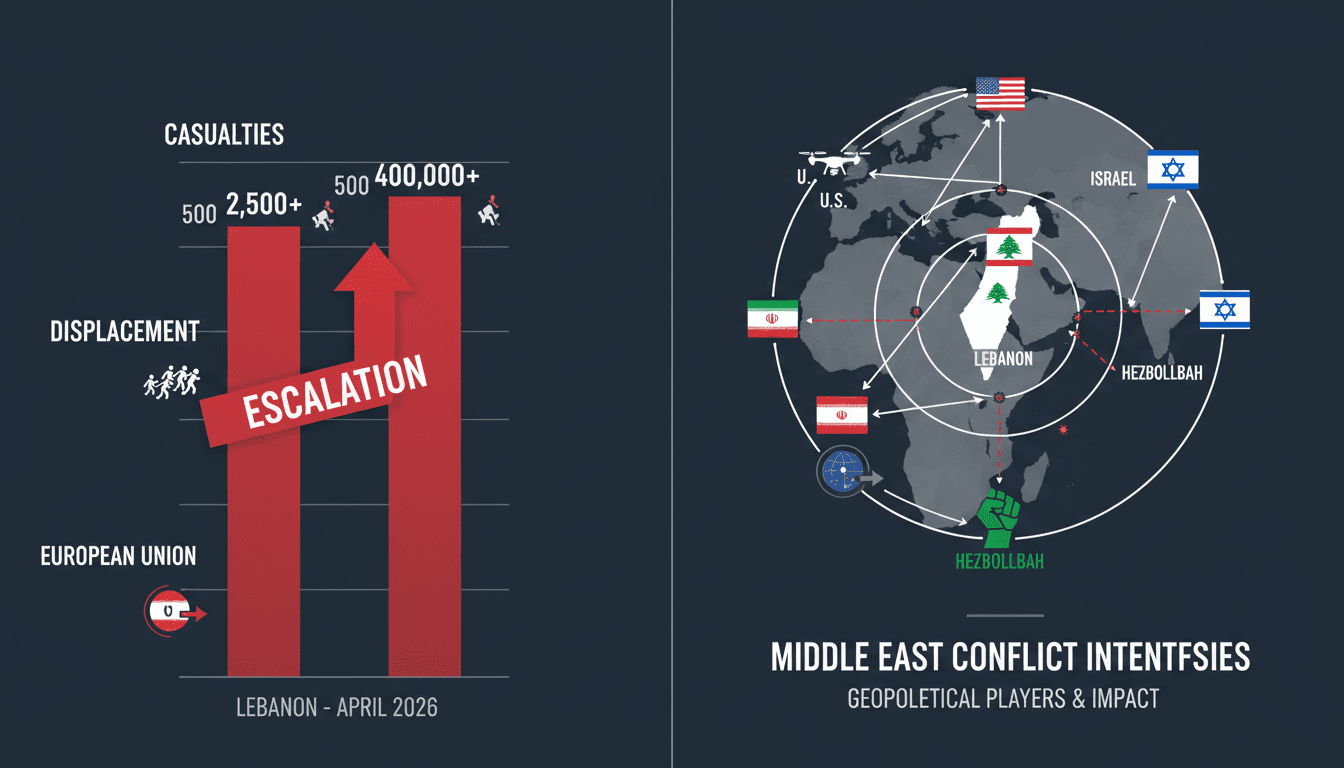
- Casualties reported: Lebanon's Health Ministry reported at least 36 deaths and over 200 injuries in the last 24 hours, raising the total death toll to over 1,497 since March.
- Hezbollah's response: Hezbollah retaliated with drone strikes against Israeli armored vehicles, escalating the conflict further.
The context you actually need
- 2026 Lebanon war: The current conflict began in early March 2026, triggered by Hezbollah's rocket attacks on Israel in solidarity with Iran amid U.S.-Israel strikes on Iranian targets.
- Ground invasion: Israel launched a ground invasion on March 2, aiming to create a security buffer zone and disarm Hezbollah, leading to significant civilian displacement and casualties.
- Regional instability: The ongoing violence has already displaced over 1 million Lebanese and has broader implications for regional security and international relations.
What's really happening
The renewed Israeli airstrikes on April 6, 2026, mark a significant escalation in the ongoing conflict between Israel and Hezbollah, which has roots in the broader geopolitical tensions involving Iran and the U.S. The conflict was ignited by Hezbollah's rocket attacks on Israel, which were framed as a show of solidarity with Iran following U.S.-Israeli military actions against Iranian targets. In response, Israel initiated a ground offensive aimed at establishing a 30 km security buffer zone south of the Litani River, which it claims is necessary to disarm Hezbollah and prevent future attacks.
The airstrikes are not just military actions; they are part of a broader strategy to undermine Hezbollah's operational capabilities. Israeli forces have released footage showing targeted strikes on buildings in southern Lebanon, indicating a systematic approach to dismantling Hezbollah's infrastructure. The Lebanese Health Ministry's reports of rising fatalities underscore the human cost of this military strategy, with civilian casualties becoming increasingly unavoidable as the conflict intensifies.
Hezbollah's counteractions, including drone strikes on Israeli armored vehicles, demonstrate its commitment to retaliate against Israeli incursions. This cycle of violence is likely to perpetuate further military engagements, as both sides appear entrenched in their positions. The humanitarian impact is severe, with over 1 million people displaced and a rising death toll that has surpassed 1,497 since the conflict escalated in March.
The situation is exacerbated by the regional geopolitical landscape, where alliances and enmities are shifting rapidly. The involvement of external actors, particularly Iran's backing of Hezbollah, complicates the conflict further. As Israel seeks to maintain its security, the potential for a wider regional conflict looms, affecting not only Lebanon but also neighboring countries and international stakeholders.
The implications of this conflict extend beyond the immediate military engagements. Regional markets are already feeling the effects, with oil prices surging due to fears of instability in a key oil-producing region. The tourism sector in the UAE is also bracing for prolonged impacts from flight cancellations and travel disruptions, as airlines adjust routes in response to the conflict.
Who feels it first (and how)
- Travelers: Those planning to visit the Middle East may face flight cancellations and increased travel risks.
- Businesses: Companies operating in or with ties to the region could experience disruptions and increased costs.
- Investors: Market volatility, particularly in oil and tourism sectors, will impact investment strategies and returns.
What to watch next
- Flight cancellations: Monitor airline announcements regarding flight routes and cancellations, as ongoing airspace closures could affect travel plans.
- Oil prices: Keep an eye on fluctuations in oil prices, as regional instability often leads to market volatility that can impact global economies.
- Humanitarian response: Watch for international responses to the humanitarian crisis in Lebanon, as increased aid efforts may emerge in response to rising civilian casualties.
The conflict has resulted in significant civilian casualties and displacement in Lebanon.
Continued military engagements between Israel and Hezbollah, with potential for broader regional implications.
The long-term resolution of the conflict and its impact on regional stability and international relations.
Frequently Asked Questions
- Why it matters?
- The escalation of violence in Lebanon has significant implications for regional security and global markets, particularly in oil and tourism.
- What happened (in 30 seconds)?
- Renewed airstrikes: Israeli forces intensified airstrikes across southern Lebanon and Beirut, targeting Hezbollah positions amid a deepening ground offensive. Casualties reported: Lebanon's Health Ministry reported at least 36 deaths and over 200 injuries in the last 24 hours, raising the total death toll to over 1,497 since March. Hezbollah's response: Hezbollah retaliated with drone strikes against Israeli armored vehicles, escalating the conflict further.
- What's really happening?
- The renewed Israeli airstrikes on April 6, 2026, mark a significant escalation in the ongoing conflict between Israel and Hezbollah, which has roots in the broader geopolitical tensions involving Iran and the U.S. The conflict was ignited by Hezbollah's rocket attacks on Israel, which were framed as a show of solidarity with Iran following U.S.-Israeli military actions against Iranian targets. In response, Israel initiated a ground offensive aimed at establishing a 30 km security buffer zone sou
- Who feels it first (and how)?
- Travelers: Those planning to visit the Middle East may face flight cancellations and increased travel risks. Businesses: Companies operating in or with ties to the region could experience disruptions and increased costs. Investors: Market volatility, particularly in oil and tourism sectors, will impact investment strategies and returns.
- What to watch next?
- Flight cancellations: Monitor airline announcements regarding flight routes and cancellations, as ongoing airspace closures could affect travel plans. Oil prices: Keep an eye on fluctuations in oil prices, as regional instability often leads to market volatility that can impact global economies. Humanitarian response: Watch for international responses to the humanitarian crisis in Lebanon, as increased aid efforts may emerge in response to rising civilian casualties.
Global news coverage with extensive reporting on Middle Eastern conflicts and geopolitics.
"Al Jazeera is a Qatar-based broadcaster known for wide regional coverage and alternative perspectives."
— A47 Editor
Renewed Israeli strikes pound Lebanon as ground offensive deepens
Israeli forces have intensified their military operations in Lebanon, launching renewed airstrikes across the country, particularly targeting southern regions and the outskirts of Beirut, resulting in significant civilian casualties. Reports indicate...
Comprehensive coverage of Middle Eastern and global issues.
"Al Jazeera is a prominent voice from the Global South, especially the Middle East, with an emphasis on underreported stories."
— A47 Editor
Renewed Israeli strikes pound Lebanon as ground offensive deepens
Israeli forces have intensified their military operations in Lebanon, launching renewed airstrikes across the country, particularly targeting southern regions and the outskirts of Beirut, resulting in significant civilian casualties. Reports indicate...
European coverage of Middle East politics and security issues.
"France 24 offers international reporting with a European editorial perspective."
— A47 Editor
Lebanon says Israeli strikes hit south Beirut, country's south
An Israeli airstrike targeted the southern suburbs of Beirut on April 5, 2026, claiming to strike positions of the Iran-backed militant group Hezbollah. This military action is part of a broader campaign by Israel amidst escalating tensions in the re...
Coverage of current events and conflicts in the Middle East.
"France 24 is viewed as a globally focused outlet with balanced coverage and a European perspective."
— A47 Editor
Lebanon says Israeli strikes hit south Beirut, country's south
An Israeli strike targeted the southern suburbs of Beirut on April 5, 2026, as part of a military campaign against the Iran-backed militant group Hezbollah. This attack coincided with broader Israeli airstrikes across Lebanon, which have resulted in ...
English-language reporting on Saudi politics, policy, and society.
"Saudi Gazette reflects mainstream Saudi institutional perspectives."
— A47 Editor
At least 14 people killed in Israeli strikes across Lebanon
Israeli airstrikes across Lebanon on Sunday resulted in at least 14 fatalities, including four individuals in Beirut’s southern suburbs and a family of six in southern Lebanon. This escalation follows Hezbollah's rocket attacks on Israel, which promp...