
Iran's actions disrupt global oil flows through Strait of Hormuz
Here's what it means for you.
Rising energy prices and supply chain disruptions could impact your cost of living and business operations globally.
Why it matters
The Strait of Hormuz is a critical chokepoint for global oil shipments, and disruptions here can lead to significant economic repercussions worldwide.
What happened (in 30 seconds)
- Iran imposed a stranglehold on the Strait of Hormuz through attacks on vessels and infrastructure, disrupting about 20% of global oil flows.
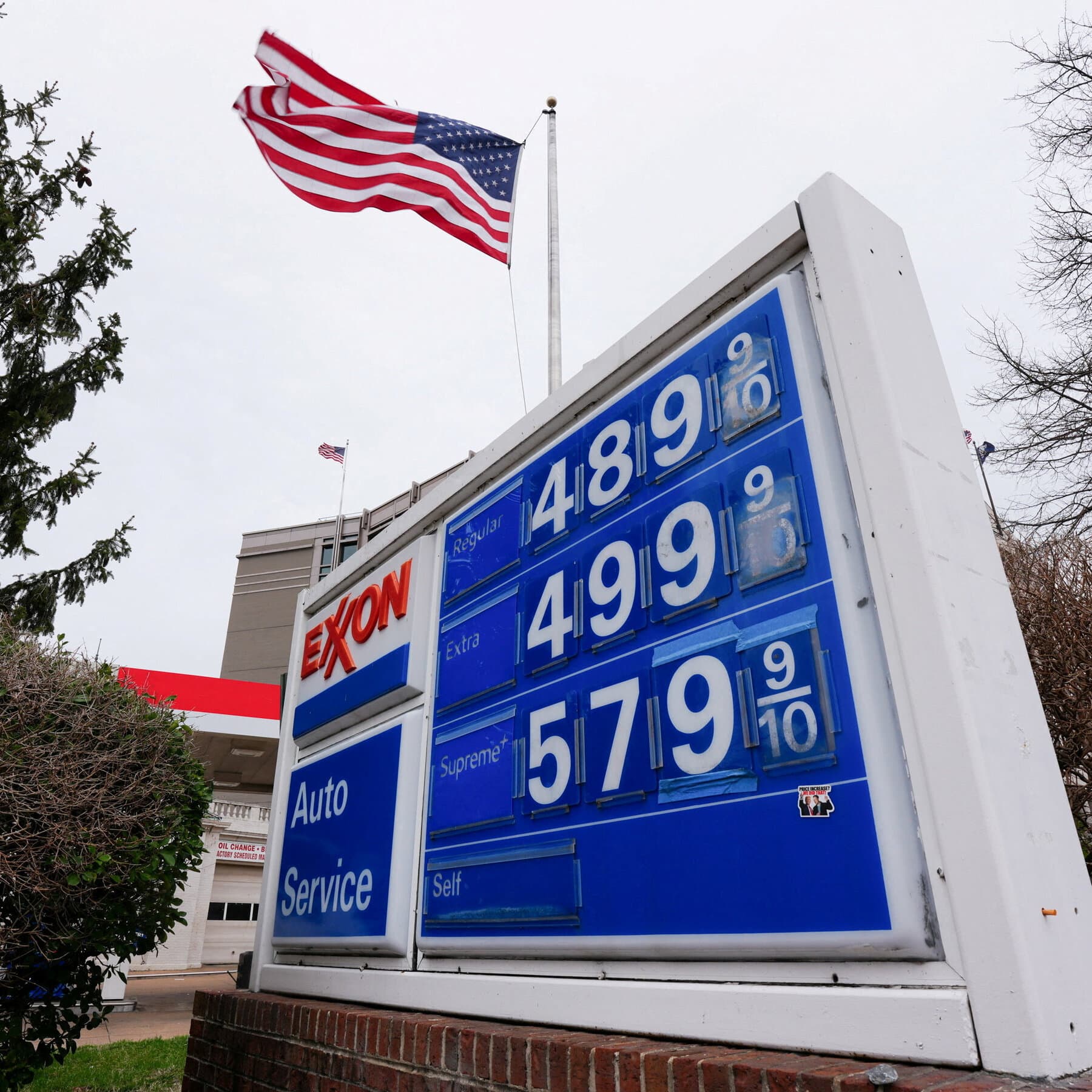
- Brent crude prices surged to over $103 per barrel, while U.S. diesel prices exceeded $5 per gallon amid escalating tensions.
- President Trump faced challenges in rallying international support to reopen the strait, complicating U.S. geopolitical strategy in the region.
The context you actually need
- The Strait of Hormuz serves as a vital passage for approximately 20% of the world's oil shipments, making it a focal point for global energy security.
- Iran's recent actions are part of a broader conflict involving U.S. and Israeli military operations against Iranian targets, which have heightened regional tensions.
- The ad hoc transit system created by Iran's threats complicates shipping logistics, leading to increased market volatility and uncertainty for energy-dependent economies.
What's really happening
Iran's recent military actions in the Strait of Hormuz have created a precarious situation for global energy markets. The strait is a narrow waterway through which about 20% of the world's oil passes, making it a strategic asset for both producers and consumers. In mid-March 2026, Iran escalated its military posture by attacking a UAE tanker and an Emirati gas field, effectively enforcing a blockade that requires political approval from Tehran for any vessel to transit. This maneuver is a direct response to ongoing U.S. and Israeli military operations aimed at Iran, which have included airstrikes against Iranian leadership and infrastructure.
The Iranian government has publicly vowed to halt shipments that benefit U.S. allies, setting the stage for a significant disruption in oil flows. The attacks on March 12, 2026, were not isolated incidents; they are part of a calculated strategy to assert Iran's influence in the region and retaliate against perceived aggressions. The resulting chaos has led to a reconfiguration of shipping routes, with many vessels now requiring Iranian approval to pass through the strait. This ad hoc system has increased uncertainty in global oil markets, contributing to a spike in prices.
As a result, Brent crude oil prices surged to over $103 per barrel, while U.S. diesel prices hit a multiyear high above $5 per gallon. The volatility in energy markets is expected to persist, with analysts forecasting that prices could remain elevated through mid-2026. This situation has forced President Trump to seek military assistance from allies, including mine sweepers, but has faced pushback from European nations and China, complicating coalition-building efforts.
The implications of these developments extend beyond immediate price increases. The disruption in oil supplies threatens to exacerbate inflationary pressures on fuel, transportation, and consumer goods, impacting economies reliant on stable energy prices. For Dubai and the UAE, the proximity to these conflicts raises concerns about regional stability and economic resilience, particularly for expatriates and locals dependent on Gulf energy imports.
Who feels it first (and how)
- Energy consumers: Individuals and businesses facing higher fuel and transportation costs.
- Logistics companies: Those reliant on stable shipping routes and fuel prices for operations.
- Expatriates in the UAE: Residents may experience increased living costs and economic uncertainty.
- Governments: National economies dependent on oil imports will feel the strain of rising prices and supply disruptions.
What to watch next
- Global oil price trends: Monitoring Brent crude prices will indicate how sustained the disruptions are and their impact on global markets.
- U.S. military responses: Any escalation in military involvement by the U.S. or its allies could further influence regional stability and energy supply chains.
- Iran's geopolitical maneuvers: Observing Iran's next steps in the conflict will be crucial for understanding the future of oil transit through the Strait of Hormuz.
Brent crude oil prices have surged above $103 per barrel due to disruptions.
Continued volatility in energy markets and elevated prices through mid-2026.
The long-term geopolitical consequences of Iran's actions and the potential for further military escalation.
Frequently Asked Questions
- Why it matters?
- The Strait of Hormuz is a critical chokepoint for global oil shipments, and disruptions here can lead to significant economic repercussions worldwide.
- What happened (in 30 seconds)?
- Iran imposed a stranglehold on the Strait of Hormuz through attacks on vessels and infrastructure, disrupting about 20% of global oil flows. Brent crude prices surged to over $103 per barrel, while U.S. diesel prices exceeded $5 per gallon amid escalating tensions. President Trump faced challenges in rallying international support to reopen the strait, complicating U.S. geopolitical strategy in the region.
- What's really happening?
- Iran's recent military actions in the Strait of Hormuz have created a precarious situation for global energy markets. The strait is a narrow waterway through which about 20% of the world's oil passes, making it a strategic asset for both producers and consumers. In mid-March 2026, Iran escalated its military posture by attacking a UAE tanker and an Emirati gas field, effectively enforcing a blockade that requires political approval from Tehran for any vessel to transit. This maneuver is a direct
- Who feels it first (and how)?
- Energy consumers: Individuals and businesses facing higher fuel and transportation costs. Logistics companies: Those reliant on stable shipping routes and fuel prices for operations. Expatriates in the UAE: Residents may experience increased living costs and economic uncertainty. Governments: National economies dependent on oil imports will feel the strain of rising prices and supply disruptions.
- What to watch next?
- Global oil price trends: Monitoring Brent crude prices will indicate how sustained the disruptions are and their impact on global markets. U.S. military responses: Any escalation in military involvement by the U.S. or its allies could further influence regional stability and energy supply chains. Iran's geopolitical maneuvers: Observing Iran's next steps in the conflict will be crucial for understanding the future of oil transit through the Strait of Hormuz.
Markets, economy, and company analysis from NYT’s business desk.
"The New York Times is a globally recognized newspaper offering authoritative reporting with a center-left editorial stance."
— A47 Editor
Iran’s Hormuz Stranglehold Upends Markets and Geopolitics
The ongoing conflict in the Middle East, particularly involving Iran, has led to a significant surge in global energy prices, with U.S. gas prices rising sharply as a result. This escalation has disrupted President Trump's foreign policy strategy, co...
U.S. business news, corporate developments, and economy.
"The Wall Street Journal is respected for deep financial and economic reporting with a center-right editorial perspective."
— A47 Editor
Oil Holds Above $100 as Iran Escalates Attacks Against Key Infrastructure
Brent crude prices have remained above $100 a barrel as Iran has intensified its attacks on key energy infrastructure in the Middle East, while U.S. allies have declined President Trump's request to assist in reopening the strategically vital Strait ...
International coverage of politics, culture, and current affairs.
"BBC News is widely regarded as a reputable international news organization, known for its impartial tone and public service mandate."
— A47 Editor
Surge in US gas prices deepens political peril for Trump over Iran
The surge in U.S. gas prices, now exceeding $100 per barrel, is intensifying political challenges for President Trump amid the ongoing conflict with Iran. The situation has escalated as Iranian military actions continue to threaten Gulf states, compl...