
U.S.-Iran War Disrupts Global Fertilizer Supply via Strait of Hormuz
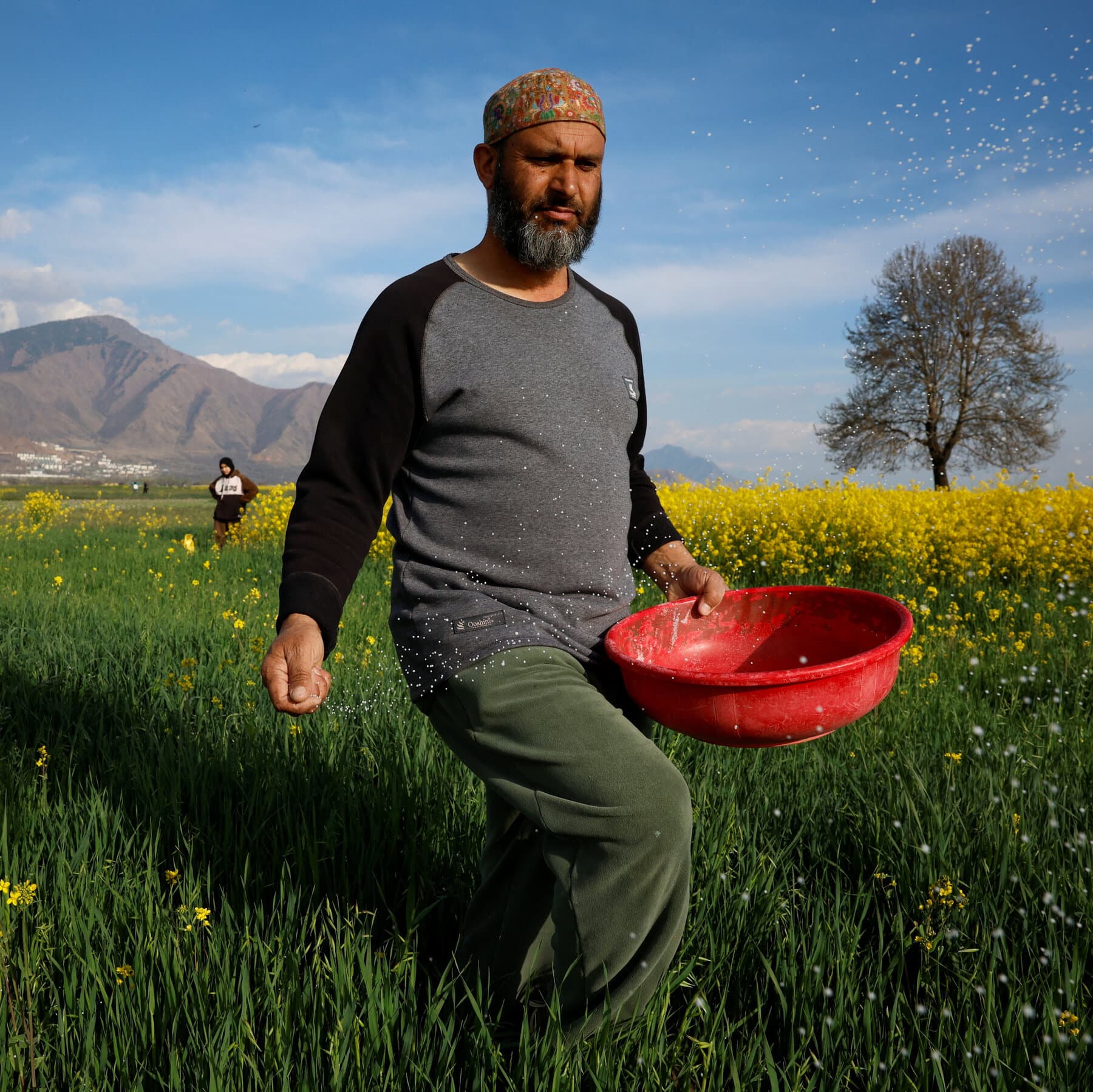
Here's what it means for you.
If you rely on global food supply chains, the ongoing disruptions could lead to higher prices and potential shortages in your region.
Why it matters
The conflict has significant implications for food security worldwide, particularly in regions heavily dependent on imported agricultural products.
What happened (in 30 seconds)
- On March 27, 2026, the U.S.-led war in Iran led to severe bottlenecks in fertilizer shipments through the Strait of Hormuz.
- Iran's Islamic Revolutionary Guard Corps imposed controlled transits, stranding nearly one-third of global fertilizer exports and causing price spikes.
- Global agricultural production is at risk, with countries like India and regions in the Persian Gulf facing acute food supply challenges.
The context you actually need
- The Strait of Hormuz is a critical chokepoint for approximately one-third of global seaborne fertilizer trade, making it vital for agricultural supply chains.
- Previous conflicts, such as the Russia-Ukraine war, have shown how geopolitical tensions can disrupt fertilizer supplies and elevate costs, impacting food production.
- Natural gas prices have surged, leading to plant shutdowns in key fertilizer-producing countries, further exacerbating the crisis.
What's really happening
The ongoing U.S.-led military intervention in Iran has escalated tensions in the region, prompting Iran to exert control over the Strait of Hormuz, a crucial maritime route for global fertilizer shipments. As of March 2026, nearly one-third of the world's fertilizer exports are trapped due to Iranian restrictions, leading to immediate price increases—urea prices have surged by 50%, while ammonia prices rose by 20%. This disruption mirrors previous agricultural shocks, such as those seen during the Russia-Ukraine conflict, where energy supply issues halted fertilizer production.
The fertilizer supply chain is intricately linked to natural gas prices, as many fertilizer plants rely on this resource for production. With rising natural gas costs, several plants in India, Algeria, and Slovakia have shut down, compounding the global supply crisis. Additionally, China has imposed restrictions on fertilizer exports, further limiting availability. The World Trade Organization has issued warnings about severe food supply risks, emphasizing the interconnectedness of global agricultural markets.
As a result, farmers in various regions are adjusting their planting strategies. For instance, Australian wheat farmers have already reduced their planting due to fertilizer shortages. In the U.S., farmers are petitioning the government for support, including loan guarantees and deregulation, to mitigate the impact of rising costs. The situation is precarious, with experts predicting that developing nations will face the brunt of food price surges, leading to potential food insecurity.
The ripple effects of this conflict are likely to be felt across the globe, particularly in import-dependent regions. Countries in the Persian Gulf, as well as others reliant on imported grains and fertilizers, are bracing for shortages. The urgency to secure fertilizer supplies is driving nations to explore alternative sourcing options, which may lead to further market volatility.
Who feels it first (and how)
- Farmers in the U.S. and Australia facing increased costs and reduced planting capacity.
- Consumers in developing nations experiencing rising food prices and potential shortages.
- Import-dependent countries in the Persian Gulf and South Asia, particularly those relying on grains and fertilizers.
- Agricultural sectors in regions with high natural gas dependency, leading to production slowdowns.
What to watch next
- Fertilizer price trends: Monitoring price fluctuations will indicate the severity of the supply crisis and its impact on agricultural production.
- Government interventions: Watch for policy changes or financial support measures from governments in response to the crisis, particularly in the U.S. and affected countries.
- Global shipping routes: Changes in shipping patterns due to the conflict could signal longer-term impacts on supply chains and costs.
The conflict has disrupted fertilizer shipments through the Strait of Hormuz, leading to price increases.
Food prices will rise globally, particularly in developing nations reliant on imports.
The duration of the conflict and its long-term effects on global agricultural markets remain uncertain.
Frequently Asked Questions
- Why it matters?
- The conflict has significant implications for food security worldwide, particularly in regions heavily dependent on imported agricultural products.
- What happened (in 30 seconds)?
- On March 27, 2026, the U.S.-led war in Iran led to severe bottlenecks in fertilizer shipments through the Strait of Hormuz. Iran's Islamic Revolutionary Guard Corps imposed controlled transits, stranding nearly one-third of global fertilizer exports and causing price spikes. Global agricultural production is at risk, with countries like India and regions in the Persian Gulf facing acute food supply challenges.
- What's really happening?
- The ongoing U.S.-led military intervention in Iran has escalated tensions in the region, prompting Iran to exert control over the Strait of Hormuz, a crucial maritime route for global fertilizer shipments. As of March 2026, nearly one-third of the world's fertilizer exports are trapped due to Iranian restrictions, leading to immediate price increases—urea prices have surged by 50%, while ammonia prices rose by 20%. This disruption mirrors previous agricultural shocks, such as those seen during t
- Who feels it first (and how)?
- Farmers in the U.S. and Australia facing increased costs and reduced planting capacity. Consumers in developing nations experiencing rising food prices and potential shortages. Import-dependent countries in the Persian Gulf and South Asia, particularly those relying on grains and fertilizers. Agricultural sectors in regions with high natural gas dependency, leading to production slowdowns.
- What to watch next?
- Fertilizer price trends: Monitoring price fluctuations will indicate the severity of the supply crisis and its impact on agricultural production. Government interventions: Watch for policy changes or financial support measures from governments in response to the crisis, particularly in the U.S. and affected countries. Global shipping routes: Changes in shipping patterns due to the conflict could signal longer-term impacts on supply chains and costs.
Conservative-leaning political and national coverage.
"The Washington Times is a conservative-leaning newspaper known for its political coverage and advocacy of right-of-center viewpoints."
— A47 Editor
The war in Iran sparks a global fertilizer shortage and threatens food prices
The ongoing war in Iran has led to a significant global fertilizer shortage, as farmers worldwide face rising costs and dwindling supplies. The conflict has intensified following Iran's near shutdown of the Strait of Hormuz, a critical maritime route...
Markets, economy, and company analysis from NYT’s business desk.
"The New York Times is a globally recognized newspaper offering authoritative reporting with a center-left editorial stance."
— A47 Editor
Global Food Supply Faces a Dangerous Bottleneck as Iran War Persists
The ongoing conflict in Iran has led to significant disruptions in global fertilizer supply chains, causing prices to rise and threatening food security, particularly in regions like Asia, where countries such as India and Thailand are most affected.
UK and international business news, economics, and corporate coverage.
"The Guardian’s business section covers finance and markets with a progressive editorial tone."
— A47 Editor
Flights, fertilizer, mortgage rates: how the Iran war is raising more than just US gas prices
The ongoing conflict involving Iran has led to significant disruptions in the Strait of Hormuz, effectively closing it to many vessels and causing global oil shortages. This situation has resulted in rising prices for essential goods, including ferti...