
Trump Announces 'Permanent Opening' of Strait of Hormuz Amid US-Iran Peace Negotiations
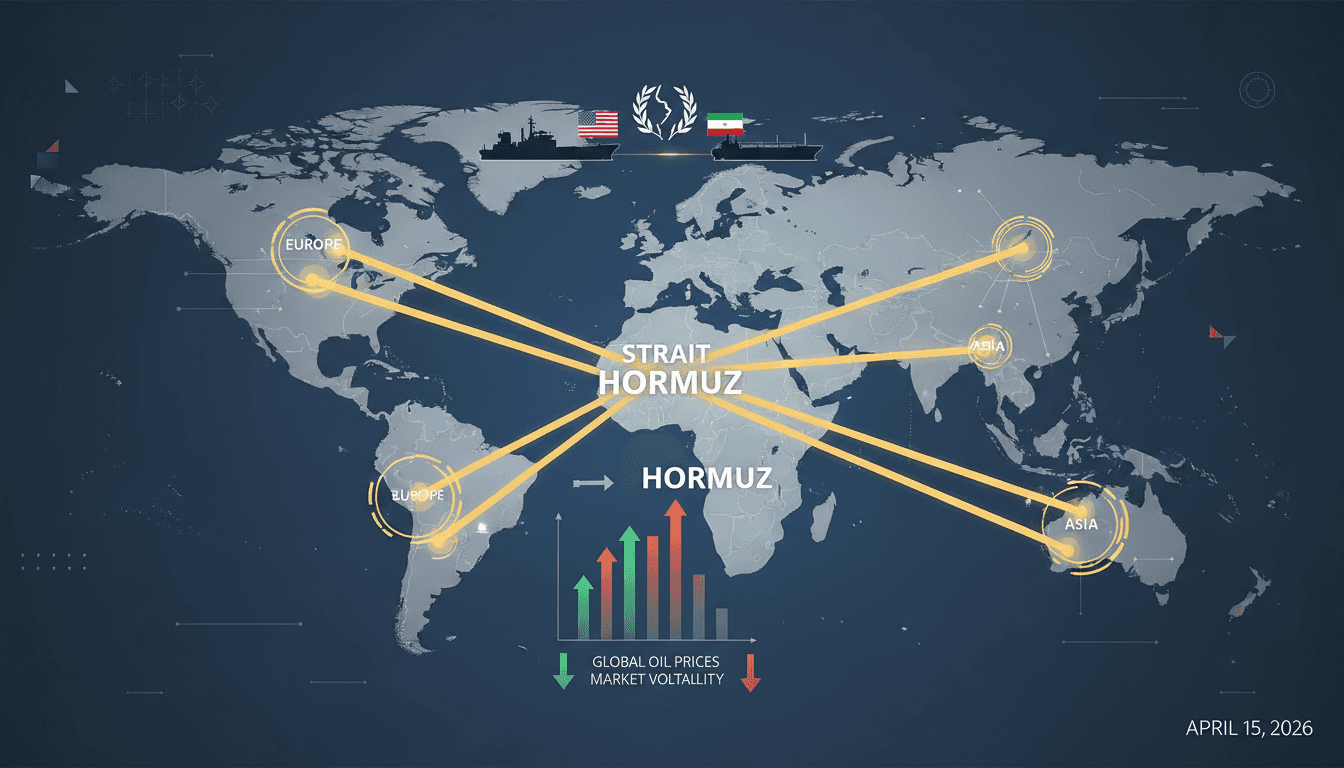
Here's what it means for you.
Your business could face fluctuating energy costs and shipping delays as global markets react to the evolving U.S.-Iran relations.
Why it matters
The Strait of Hormuz is a critical chokepoint for global oil trade, impacting energy prices and economic stability worldwide.
What happened (in 30 seconds)
- Trump announced via Truth Social that the Strait of Hormuz is 'permanently opened' amid ongoing U.S.-Iran peace talks.
- A U.S. naval blockade was imposed on Iranian ports after initial negotiations in Islamabad failed over the weekend.
- Iran had restricted access to the strait for non-Iranian vessels, causing significant disruptions in global energy markets.
The context you actually need
- The U.S.-Iran conflict escalated in late February 2026, leading to military actions and Iran's restrictions on the Strait of Hormuz.
- Indirect diplomatic efforts began in early April 2026, with Pakistani mediators facilitating talks amid a fragile ceasefire.
- Oil flow through the Strait of Hormuz accounts for approximately 21.8 million barrels per day, representing about 25% of global seaborne oil trade.
What's really happening
The recent escalation in the U.S.-Iran conflict has roots in a series of military actions initiated by the U.S. and Israel against Iran in late February 2026. This conflict prompted Iran to impose restrictions on the Strait of Hormuz, a vital maritime corridor for global oil shipments. By limiting access to "enemy ships," Iran aimed to exert pressure on its adversaries while also generating revenue through sovereignty tolls on vessels that could still navigate the strait.
In early April, a fragile two-week ceasefire was established, allowing for indirect negotiations mediated by Pakistan. However, the first round of talks, held in Islamabad from April 11-13, ended without agreement, leading to the U.S. imposing a naval blockade on Iranian ports. This blockade was a strategic move to assert pressure on Iran and signal the seriousness of U.S. intentions in the negotiations.
Trump's claim of a "permanent opening" of the strait is significant as it suggests a potential shift in the U.S. approach to the conflict. By framing the situation as resolved, he aims to project strength and optimism, which could influence market perceptions and stabilize oil prices. However, the reality on the ground remains complex, with Iranian President Masoud Pezeshkian rejecting any notion of surrender and emphasizing the need for dialogue.
The implications of these developments extend beyond immediate diplomatic outcomes. The Strait of Hormuz is a critical artery for global oil trade, and any disruptions can lead to significant fluctuations in oil prices. Following the blockade, oil prices surged past $100 per barrel, reflecting market anxiety. As negotiations continue, the potential for a resolution could stabilize prices, but uncertainty remains high.
Moreover, the involvement of Pakistani mediators highlights the shifting dynamics in international diplomacy, with countries like China also being mentioned in the context of these talks. The geopolitical landscape is evolving, and the outcomes of these negotiations could redefine alliances and economic relationships in the region.
Who feels it first (and how)
- Energy sector professionals: Fluctuating oil prices directly impact their operations and profitability.
- Shipping and logistics companies: Increased shipping delays and rerouted traffic affect supply chain efficiency.
- Consumers in Dubai and the UAE: Rising fuel costs and economic uncertainty could lead to higher living expenses.
What to watch next
- Second round of peace talks: The outcome could determine the future of U.S.-Iran relations and global oil prices.
- Oil price fluctuations: Watch for changes in Brent crude prices as negotiations progress or stall.
- Regional economic impacts: Monitor how UAE ports and businesses adapt to ongoing disruptions and potential resolutions.
The Strait of Hormuz is crucial for global oil trade, with 21.8 million barrels per day flowing through it.
Continued volatility in oil prices as negotiations unfold and market reactions evolve.
The long-term effectiveness of the U.S.-Iran peace talks and their impact on regional stability.
Frequently Asked Questions
- Why it matters?
- The Strait of Hormuz is a critical chokepoint for global oil trade, impacting energy prices and economic stability worldwide.
- What happened (in 30 seconds)?
- Trump announced via Truth Social that the Strait of Hormuz is 'permanently opened' amid ongoing U.S.-Iran peace talks. A U.S. naval blockade was imposed on Iranian ports after initial negotiations in Islamabad failed over the weekend. Iran had restricted access to the strait for non-Iranian vessels, causing significant disruptions in global energy markets.
- What's really happening?
- The recent escalation in the U.S.-Iran conflict has roots in a series of military actions initiated by the U.S. and Israel against Iran in late February 2026. This conflict prompted Iran to impose restrictions on the Strait of Hormuz, a vital maritime corridor for global oil shipments. By limiting access to "enemy ships," Iran aimed to exert pressure on its adversaries while also generating revenue through sovereignty tolls on vessels that could still navigate the strait. In early April, a frag
- Who feels it first (and how)?
- Energy sector professionals: Fluctuating oil prices directly impact their operations and profitability. Shipping and logistics companies: Increased shipping delays and rerouted traffic affect supply chain efficiency. Consumers in Dubai and the UAE: Rising fuel costs and economic uncertainty could lead to higher living expenses.
- What to watch next?
- Second round of peace talks: The outcome could determine the future of U.S.-Iran relations and global oil prices. Oil price fluctuations: Watch for changes in Brent crude prices as negotiations progress or stall. Regional economic impacts: Monitor how UAE ports and businesses adapt to ongoing disruptions and potential resolutions.
RT is a Russian state-funded network covering global events from a Russian perspective.
"RT is widely criticized for promoting pro-Kremlin narratives and is considered by many to be a state propaganda outlet."
— A47 Editor
Trump claims ‘opening’ Strait of Hormuz as mediators push new US-Iran talks: What we know so far
President Donald Trump has announced the enforcement of a blockade on the Strait of Hormuz, effective Monday, following the collapse of peace talks with Iran. This decision aims to restrict Iranian oil exports amid escalating tensions between the two...
Corporate leadership, finance, technology, and market trends.
"Fortune covers financial trends, leadership, and innovation with a pragmatic editorial approach."
— A47 Editor
Trump says the Iran war is ‘very close to over’—despite no deal, a live blockade, and threats mounting
President Donald Trump has declared that the war with Iran is nearing its end, despite ongoing tensions marked by a blockade in the Strait of Hormuz and the absence of a formal peace agreement. U.S. forces and Iranian military presence are both activ...
Capitol Hill news, legislation, and policy insight.
"The Hill specializes in U.S. politics and policy, with a focus on Capitol Hill developments and a reputation for insider reporting."
— A47 Editor
Trump: China 'very happy' that US efforts will reopen Strait
President Trump announced the permanent opening of Iran's Strait of Hormuz, claiming that this decision has made China 'very happy' and will lead to Beijing ceasing its weapon shipments to Tehran. This statement raises questions about the implication...
Right-of-center views on political news.
"The Washington Times is a conservative-leaning newspaper known for its political coverage and advocacy of right-of-center viewpoints."
— A47 Editor
Trump says port blockade is designed to force Iran to the table over nuclear ambitions
President Trump announced a U.S. Navy blockade of the Strait of Hormuz, stating that the measure aims to compel Iran to return to negotiations regarding its nuclear ambitions. This decision follows the breakdown of peace talks with Iran, which were i...
Arabic-language UAE newspaper coverage focused on domestic affairs, public institutions, business, society, and regional developments.
"Al Khaleej coverage generally reflects a mainstream UAE editorial lens with strong attention to public affairs, institutions, and regional developments."
— A47 Editor
الصين تنفي تسليح إيران وتطالب بحرية الملاحة في مضيق هرمز
On Monday, China called for the unhindered navigation in the Strait of Hormuz following threats from U.S. President Donald Trump. The statement comes amid rising tensions in the region, highlighting China's stance on maritime security and its diploma...
Regional coverage and analysis focused on politics, diplomacy, and business across the Middle East.
"Al-Monitor is known for analytical reporting on Middle East politics and policy developments."
— A47 Editor
China urges restraint over US blockade of Strait of Hormuz, backs talks
China has called for calm and restraint following U.S. President Donald Trump's announcement of an immediate blockade of the Strait of Hormuz, a crucial maritime route for oil shipments, after failed peace talks with Iran in Islamabad. This escalatio...