
China Implements Diversified Energy Strategies to Address Supply Disruptions from Iran War
Here's what it means for you.
As global energy markets fluctuate, understanding China's strategic moves can inform your business decisions and investment strategies.
Why it matters
China's energy diversification efforts are reshaping global supply chains and impacting oil prices, which can affect your operational costs.
What happened (in 30 seconds)
- China faced significant energy supply disruptions due to the Iran war, which began on February 28, 2026, halting shipments through the critical Strait of Hormuz.
- In response, China activated its strategic reserves and ramped up renewable energy production to mitigate the impact of halted oil imports.
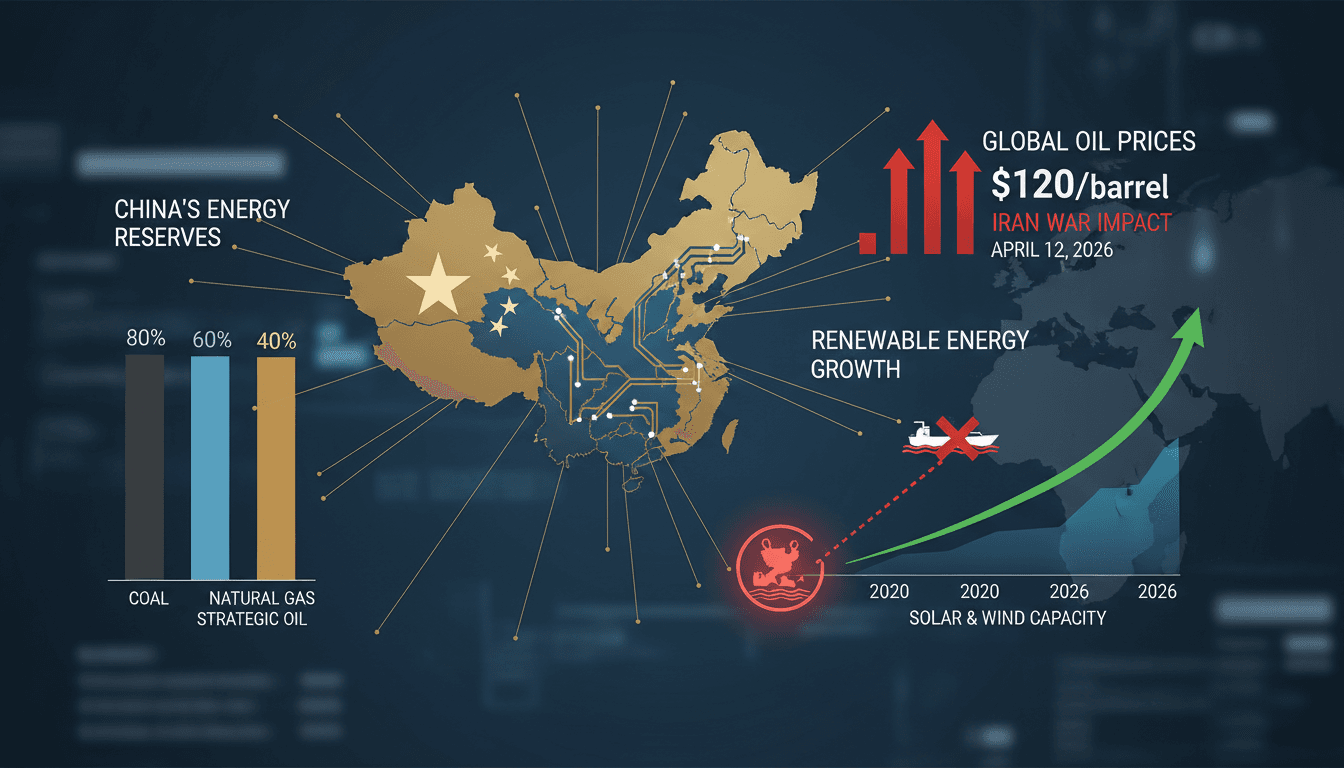
- As of April 2026, China maintains a resilient energy position, with 1.4 billion barrels in reserves and a growing share of renewables in its energy mix.
The context you actually need
- China is the world's largest crude oil importer, relying heavily on Middle Eastern oil, particularly from routes passing through the Strait of Hormuz, which accounts for 20% of global oil flows.
- The ongoing conflict in the Middle East has led to a near-total halt of oil shipments, exacerbating existing supply concerns from previous geopolitical tensions, including U.S. interventions in Venezuela.
- China's proactive measures include cautious reserve drawdowns and an accelerated push for renewable energy, positioning it more favorably than other regional players like Japan and South Korea, which face greater shortages.
What's really happening
China's energy strategy has evolved significantly over the past few years, driven by escalating geopolitical tensions and a need for energy security. The war on Iran has underscored the vulnerabilities in China's energy supply chain, as over half of its crude imports come from the Middle East. The Strait of Hormuz is a critical chokepoint, and disruptions here can have immediate and severe consequences for global oil markets.
In anticipation of potential crises, China has been building its strategic oil reserves and expanding its renewable energy capacity. As of April 2026, China holds approximately 1.4 billion barrels in strategic and commercial reserves, allowing it to draw on these stocks to stabilize domestic fuel supplies. This strategic reserve is complemented by a significant investment in renewable energy technologies, including wind, solar, and nuclear power, which have begun to comprise a larger share of the country's electricity generation.
The Chinese government, under President Xi Jinping, has emphasized the importance of transitioning to a "new energy system" to enhance national security. This shift is not merely about diversifying energy sources but also about reducing dependence on foreign oil, particularly from volatile regions. By prioritizing renewables, China aims to create a more resilient energy infrastructure that can withstand external shocks.
As the conflict in the Middle East continues, global oil prices have surged, exceeding $120 per barrel, which has led to increased export revenues for Gulf states like the UAE. However, this situation also raises security risks and higher costs for consumers, particularly in aviation fuel. China's strategic positioning allows it to weather these storms better than its regional counterparts, who are more reliant on imported oil.
Chinese state firms, such as Sinopec, are now prioritizing domestic fuel supplies and adjusting their production strategies to focus on essential fuels over chemicals. This shift reflects a broader trend of energy self-sufficiency that China is pursuing amidst global market volatility.
Who feels it first (and how)
- Energy companies: Increased operational costs and supply chain disruptions could impact profitability.
- Consumers: Higher oil prices translate into increased costs for transportation and goods.
- Investors: Fluctuations in oil prices may affect stock valuations in energy sectors.
- Governments in oil-dependent regions: Rising tensions and security risks may lead to increased military and defense expenditures.
What to watch next
- Global oil prices: Continued volatility in oil prices will impact economic stability and consumer costs.
- China's renewable energy growth: Monitoring the pace of renewable energy integration will indicate China's long-term energy strategy effectiveness.
- Geopolitical developments in the Middle East: Any escalation or resolution in the Iran conflict will directly influence global energy markets and supply chains.
China has 1.4 billion barrels in oil reserves and is actively diversifying its energy sources.
China will continue to prioritize renewable energy development and domestic fuel supply security.
The long-term effects of the Iran conflict on global energy markets and China's energy strategy remain uncertain.
Frequently Asked Questions
- Why it matters?
- China's energy diversification efforts are reshaping global supply chains and impacting oil prices, which can affect your operational costs.
- What happened (in 30 seconds)?
- China faced significant energy supply disruptions due to the Iran war, which began on February 28, 2026, halting shipments through the critical Strait of Hormuz. In response, China activated its strategic reserves and ramped up renewable energy production to mitigate the impact of halted oil imports. As of April 2026, China maintains a resilient energy position, with 1.4 billion barrels in reserves and a growing share of renewables in its energy mix.
- What's really happening?
- China's energy strategy has evolved significantly over the past few years, driven by escalating geopolitical tensions and a need for energy security. The war on Iran has underscored the vulnerabilities in China's energy supply chain, as over half of its crude imports come from the Middle East. The Strait of Hormuz is a critical chokepoint, and disruptions here can have immediate and severe consequences for global oil markets. In anticipation of potential crises, China has been building its stra
- Who feels it first (and how)?
- Energy companies: Increased operational costs and supply chain disruptions could impact profitability. Consumers: Higher oil prices translate into increased costs for transportation and goods. Investors: Fluctuations in oil prices may affect stock valuations in energy sectors. Governments in oil-dependent regions: Rising tensions and security risks may lead to increased military and defense expenditures.
- What to watch next?
- Global oil prices: Continued volatility in oil prices will impact economic stability and consumer costs. China's renewable energy growth: Monitoring the pace of renewable energy integration will indicate China's long-term energy strategy effectiveness. Geopolitical developments in the Middle East: Any escalation or resolution in the Iran conflict will directly influence global energy markets and supply chains.
Arabic-language UAE newspaper coverage focused on domestic affairs, public institutions, business, society, and regional developments.
"Al Khaleej coverage generally reflects a mainstream UAE editorial lens with strong attention to public affairs, institutions, and regional developments."
— A47 Editor
الصين تواجه مخاوف إمدادات الطاقة باستراتيجيات متنوعة
China has successfully mitigated the energy supply shock caused by the conflict in the Middle East, thanks to its stockpiles and diversified sources of supply, according to analysts.
Pan-Arab news coverage spanning politics, business, sports, and regional affairs.
"Asharq Al-Awsat reflects a broad Arab editorial perspective with strong attention to regional geopolitics."
— A47 Editor
استراتيجية الصين للطاقة تؤتي ثمارها مع اضطراب الإمدادات
China's long-term energy strategy, which focuses on diversifying energy sources and building reserves, has proven effective in adapting to supply disruptions caused by the ongoing conflict with Iran. This approach highlights China's proactive measure...