
Zelensky's Historic Visit to Syria Signals Shift in Regional Alliances
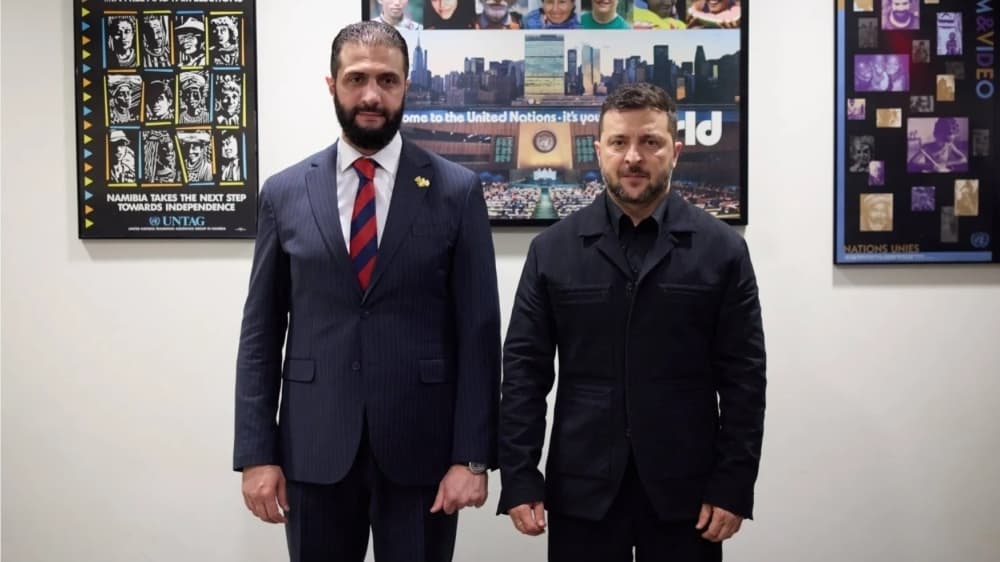
Here's what it means for you.
The shifting alliances in the Middle East could reshape energy security and trade dynamics that affect global markets.
Why it matters
This visit signifies a strategic pivot away from Russian influence in the region, impacting geopolitical stability and economic ties.
What happened (in 30 seconds)
- Zelensky visited Damascus on April 5, 2026, marking the first official trip by a Ukrainian president to Syria since its independence in 1991.
- Bilateral talks with Syrian President Ahmed al-Sharaa focused on military cooperation, food security, and reducing Russian military presence.
- Turkish Foreign Minister Hakan Fidan joined the discussions, highlighting a trilateral effort to counter Russian influence in the region.
The context you actually need
- Post-Assad landscape: Following the December 2024 ouster of Bashar al-Assad, Syria is realigning its foreign relations, moving away from reliance on Russia and Iran.
- Ukrainian interests: Ukraine seeks to secure grain exports to Syria and enhance military intelligence sharing, vital for its own security amid ongoing conflict.
- Regional dynamics: Turkey's involvement indicates a broader coalition forming against Russian dominance, which could lead to new economic partnerships.
What's really happening
Zelensky's visit to Damascus is not merely a diplomatic gesture; it reflects a significant shift in the geopolitical landscape of the Middle East. The ouster of Bashar al-Assad in December 2024 marked the end of over a decade of Russian military support in Syria, which had included strategic bases at Hmeimim and Tartus. This change has opened the door for new alliances, particularly as Syria pivots from its traditional reliance on the Russia-Iran axis towards Western and regional partners, including Turkey and Ukraine.
The discussions between Zelensky and al-Sharaa centered on military cooperation, food security, and the dismantling of Russian logistics in Syria. This is crucial for Ukraine, which has been grappling with food supply issues exacerbated by the war. By securing agreements for grain exports to Syria, Ukraine aims to stabilize its agricultural sector while simultaneously strengthening its influence in the region.
Turkey's involvement, represented by Foreign Minister Hakan Fidan, underscores a trilateral alignment against Russian interests. This coalition is not just about military strategy; it also encompasses economic cooperation, which is vital for all parties involved. As Syria seeks to expand its international horizons, the potential for increased trade with Ukraine and Turkey could reshape the economic landscape of the region.
Moreover, the closure of the Al-Jdeidah Yabous-Lebanon border crossing amid Israeli threats highlights the fragile security environment in the region. This border closure, while temporary, disrupts civilian transit and underscores the complexities of regional politics. Syrian officials have affirmed that border crossings will be used solely for civilian purposes, indicating a desire to maintain stability amid external pressures.
As these new alliances form, the implications for Russian influence in the Middle East are significant. The muted response from Russia following Zelensky's visit suggests a recognition of its declining power in the region. This shift could lead to a reconfiguration of military and economic partnerships, impacting not only Syria and Ukraine but also the broader geopolitical landscape.
Who feels it first (and how)
- Ukrainian farmers: Increased grain exports to Syria could stabilize prices and demand in Ukraine's agricultural sector.
- Syrian government officials: The new agreements may enhance Syria's international standing and economic recovery post-Assad.
- Turkish businesses: Enhanced cooperation with Ukraine and Syria could open new markets and trade opportunities.
- Regional security forces: Military intelligence sharing may improve security operations against remaining Russian influence.
What to watch next
- Future diplomatic engagements: Watch for additional meetings between Ukraine, Syria, and Turkey to solidify military and economic agreements.
- Changes in Russian military presence: Monitor any shifts in Russian naval or military operations in the eastern Mediterranean as a response to these new alliances.
- Economic indicators in Syria: Keep an eye on Syria's economic recovery metrics, particularly in agriculture and trade, as new partnerships develop.
Zelensky's visit marks the first official trip by a Ukrainian president to Syria since 1991.
Increased military cooperation and economic agreements between Ukraine and Syria will emerge as both countries seek to counter Russian influence.
The long-term stability of these new alliances and their impact on regional security dynamics remains uncertain.
Frequently Asked Questions
- Why it matters?
- This visit signifies a strategic pivot away from Russian influence in the region, impacting geopolitical stability and economic ties.
- What happened (in 30 seconds)?
- Zelensky visited Damascus on April 5, 2026, marking the first official trip by a Ukrainian president to Syria since its independence in 1991. Bilateral talks with Syrian President Ahmed al-Sharaa focused on military cooperation, food security, and reducing Russian military presence. Turkish Foreign Minister Hakan Fidan joined the discussions, highlighting a trilateral effort to counter Russian influence in the region.
- What's really happening?
- Zelensky's visit to Damascus is not merely a diplomatic gesture; it reflects a significant shift in the geopolitical landscape of the Middle East. The ouster of Bashar al-Assad in December 2024 marked the end of over a decade of Russian military support in Syria, which had included strategic bases at Hmeimim and Tartus. This change has opened the door for new alliances, particularly as Syria pivots from its traditional reliance on the Russia-Iran axis towards Western and regional partners, inclu
- Who feels it first (and how)?
- Ukrainian farmers: Increased grain exports to Syria could stabilize prices and demand in Ukraine's agricultural sector. Syrian government officials: The new agreements may enhance Syria's international standing and economic recovery post-Assad. Turkish businesses: Enhanced cooperation with Ukraine and Syria could open new markets and trade opportunities. Regional security forces: Military intelligence sharing may improve security operations against remaining Russian influence.
- What to watch next?
- Future diplomatic engagements: Watch for additional meetings between Ukraine, Syria, and Turkey to solidify military and economic agreements. Changes in Russian military presence: Monitor any shifts in Russian naval or military operations in the eastern Mediterranean as a response to these new alliances. Economic indicators in Syria: Keep an eye on Syria's economic recovery metrics, particularly in agriculture and trade, as new partnerships develop.
Coverage of political affairs and regional developments from a Saudi perspective.
"Al Watan political coverage typically follows a mainstream Saudi framing of regional and national issues."
— A47 Editor
زيلينسكي في دمشق.. حضور أوكراني وتراجع روسي
Ukrainian President Volodymyr Zelensky made a historic visit to Damascus to meet with Syrian President Ahmad al-Shara, amidst rising military tensions in southern Lebanon and Israeli threats targeting Lebanese routes. This visit marks a significant s...
Arabic-language coverage of political affairs and current events.
"Okaz political coverage typically follows mainstream Saudi framing on national and regional affairs."
— A47 Editor
زيلينسكي والشرع يتفقان على تبادل الخبرات العسكرية والأمنية
Ukrainian President Volodymyr Zelensky visited Damascus, Syria, where he met with Syrian President Ahmad al-Shara and Turkish Foreign Minister Hakan Fidan. The discussions focused on enhancing bilateral relations, economic cooperation, and ensuring f...
English-language reporting on Saudi politics, policy, and society.
"Saudi Gazette reflects mainstream Saudi institutional perspectives."
— A47 Editor
Zelenskyy arrives in Damascus for first visit, holds talks with Syrian president
Ukrainian President Volodymyr Zelenskyy made his first official visit to Syria, arriving in Damascus where he was welcomed by Syrian Foreign Minister Asaad Al-Shaibani and Turkish Foreign Minister Hakan Fidan. Zelenskyy held discussions with Syrian P...