
IDF Airstrike in Beirut Kills Hezbollah Leader's Personal Secretary Amid Escalating Conflict
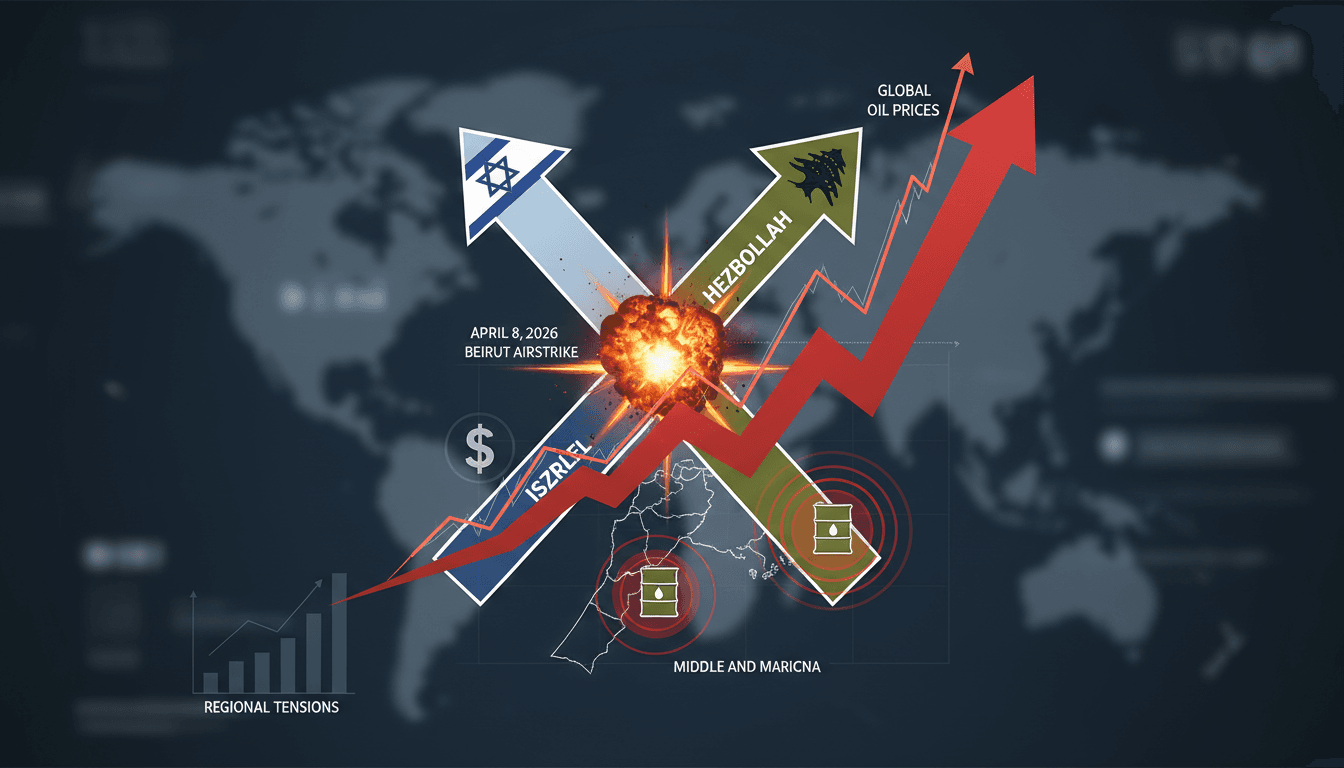
Here's what it means for you.
Rising geopolitical tensions could lead to increased fuel costs and market volatility impacting your daily expenses.
Why it matters
The airstrike and subsequent retaliation signal a significant escalation in the ongoing Israel-Hezbollah conflict, affecting global oil markets and regional stability.
What happened (in 30 seconds)
- On April 8, 2026, the Israel Defense Forces (IDF) conducted an airstrike in Beirut, killing Ali Yusuf Harshi, a key figure in Hezbollah.
- Hezbollah retaliated with rocket fire toward northern Israel, marking a continuation of hostilities in the region.
- The IDF confirmed the strike targeted Hezbollah's infrastructure, including weapons sites and command posts, amid a backdrop of escalating conflict since the assassination of Hassan Nasrallah in 2024.
The context you actually need
- The 2026 Israel-Hezbollah conflict has intensified since March, following the leadership transition to Naim Qassem after Nasrallah's assassination.
- Hezbollah's ongoing rocket attacks have prompted Israeli military responses despite a U.S.-brokered ceasefire with Iran that does not include Lebanon.
- The April 8 airstrike resulted in significant casualties, with 254 individuals reported killed across Lebanon, making it the deadliest day of the conflict.
What's really happening
The airstrike on April 8 represents a calculated move by the IDF to disrupt Hezbollah's operational capabilities at a critical moment in the ongoing conflict. By targeting Ali Yusuf Harshi, who managed the office and security for Hezbollah's leader Naim Qassem, Israel aims to undermine the group's command structure and operational efficiency. This operation is part of a broader strategy to respond to Hezbollah's persistent rocket attacks on northern Israel, which have escalated since the leadership change within the militant group.
The backdrop of this conflict is rooted in the assassination of Hassan Nasrallah in 2024, which left Hezbollah in a state of transition and vulnerability. Naim Qassem's leadership has been characterized by aggressive posturing and retaliatory strikes against Israel, indicating a willingness to escalate military engagement. The IDF's airstrike not only targeted Harshi but also aimed at disrupting Hezbollah's logistical and operational networks, including weapon transfers across the Litani River.
The aftermath of the airstrike has seen Hezbollah retaliate with rocket fire, further escalating tensions in the region. Israeli Prime Minister Benjamin Netanyahu's commitment to continued precision operations against Hezbollah underscores the ongoing cycle of violence and retaliation. This dynamic creates a precarious situation where both sides are locked in a tit-for-tat conflict, with potential implications for regional stability.
Moreover, the broader geopolitical landscape complicates the situation. The U.S.-brokered ceasefire with Iran, which excludes Lebanon, reflects the complexities of international diplomacy in the region. As tensions rise, the potential for miscalculation increases, raising the stakes for all involved parties. The conflict's escalation is likely to have ripple effects beyond the immediate region, particularly in global oil markets, as concerns over stability in the Strait of Hormuz mount.
In summary, the airstrike and its repercussions illustrate a critical juncture in the Israel-Hezbollah conflict, with significant implications for regional security, international relations, and global economic stability.
Who feels it first (and how)
- Residents of northern Israel: Increased threat from rocket fire and potential military operations.
- Energy sector professionals: Heightened volatility in oil prices affecting supply chains and operational costs.
- Investors in Middle Eastern markets: Increased market uncertainty leading to potential financial losses or shifts in investment strategies.
- Local businesses in Dubai: Rising fuel costs impacting transportation and logistics expenses.
What to watch next
- Oil price fluctuations: Monitor changes in crude oil prices, as regional tensions could lead to supply concerns and price surges.
- Military engagements: Watch for further Israeli airstrikes or Hezbollah retaliations, which could escalate the conflict further.
- International diplomatic responses: Pay attention to any shifts in U.S. or European policies regarding the conflict, as they could influence regional stability.
The IDF confirmed the elimination of Ali Yusuf Harshi and the ongoing conflict with Hezbollah.
Continued military operations by both Israel and Hezbollah in response to the airstrike and retaliatory actions.
The long-term effects on regional stability and how international actors will respond to escalating tensions.
Frequently Asked Questions
- Why it matters?
- The airstrike and subsequent retaliation signal a significant escalation in the ongoing Israel-Hezbollah conflict, affecting global oil markets and regional stability.
- What happened (in 30 seconds)?
- On April 8, 2026, the Israel Defense Forces (IDF) conducted an airstrike in Beirut, killing Ali Yusuf Harshi, a key figure in Hezbollah. Hezbollah retaliated with rocket fire toward northern Israel, marking a continuation of hostilities in the region. The IDF confirmed the strike targeted Hezbollah's infrastructure, including weapons sites and command posts, amid a backdrop of escalating conflict since the assassination of Hassan Nasrallah in 2024.
- What's really happening?
- The airstrike on April 8 represents a calculated move by the IDF to disrupt Hezbollah's operational capabilities at a critical moment in the ongoing conflict. By targeting Ali Yusuf Harshi, who managed the office and security for Hezbollah's leader Naim Qassem, Israel aims to undermine the group's command structure and operational efficiency. This operation is part of a broader strategy to respond to Hezbollah's persistent rocket attacks on northern Israel, which have escalated since the leaders
- Who feels it first (and how)?
- Residents of northern Israel: Increased threat from rocket fire and potential military operations. Energy sector professionals: Heightened volatility in oil prices affecting supply chains and operational costs. Investors in Middle Eastern markets: Increased market uncertainty leading to potential financial losses or shifts in investment strategies. Local businesses in Dubai: Rising fuel costs impacting transportation and logistics expenses.
- What to watch next?
- Oil price fluctuations: Monitor changes in crude oil prices, as regional tensions could lead to supply concerns and price surges. Military engagements: Watch for further Israeli airstrikes or Hezbollah retaliations, which could escalate the conflict further. International diplomatic responses: Pay attention to any shifts in U.S. or European policies regarding the conflict, as they could influence regional stability.
Arabic-language UAE newspaper coverage focused on domestic affairs, public institutions, business, society, and regional developments.
"Al Khaleej coverage generally reflects a mainstream UAE editorial lens with strong attention to public affairs, institutions, and regional developments."
— A47 Editor
إسرائيل: قتلنا سكرتير الأمين العام لـ«حزب الله»
On Thursday, Israel announced that it had killed the personal secretary of Naeem Qassem, the Secretary-General of Hezbollah. This development marks a significant escalation in the ongoing tensions between Israel and Hezbollah, a militant group based ...
Oil, metals, and agriculture: supply/demand headlines, OPEC chatter, inventories, and price action.
"Solid tape for energy and metals traders tracking macro and micro catalysts."
— A47 Editor
Israeli military says it has killed nephew of Hezbollah chief Naim Qassem
The Israeli military has announced the killing of the nephew of Hezbollah chief Naim Qassem, marking a significant escalation in the ongoing conflict between Israel and Hezbollah. This incident follows a series of military actions targeting Hezbollah...