
Strait of Hormuz Ship Traffic Remains Severely Restricted Post Cease-Fire
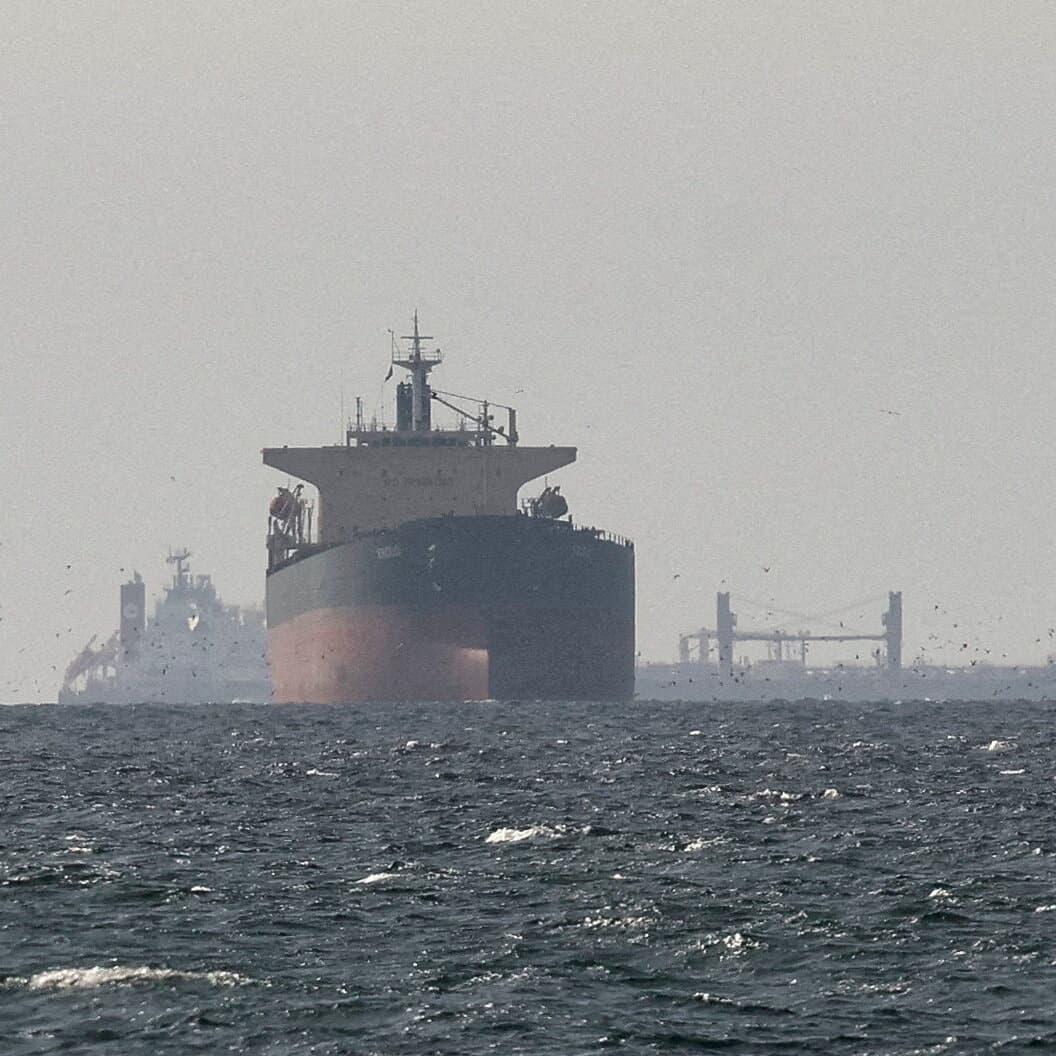
Here's what it means for you.
If you rely on global shipping routes, expect delays and increased costs due to ongoing tensions in the Strait of Hormuz.
Why it matters
The Strait of Hormuz is a critical chokepoint for global oil and gas supplies, affecting energy prices and supply chains worldwide.
What happened (in 30 seconds)
- Cease-fire announced: On April 7, 2026, a U.S.-Iran cease-fire was declared, intended to restore safe passage through the Strait of Hormuz.
- Limited shipping traffic: Despite the cease-fire, only two vessels successfully transited the strait on April 8, with around 800 tankers still queued.
- Shipping operators cautious: Major shipping companies have paused operations in the region pending further risk assessments and guarantees of safe passage.
The context you actually need
- War background: The U.S.-Iran conflict escalated in late February 2026, with Iran blockading the Strait of Hormuz, disrupting 25% of global seaborne oil and 20% of liquefied natural gas trade.
- Previous attacks: Prior to the cease-fire, there were 21 confirmed attacks on merchant vessels, leading to a significant drop in daily transits from over 130 to nearly zero.
- Economic impact: The ongoing disruptions have led to increased fuel prices and supply chain delays, particularly affecting regions reliant on imports through the strait.
What's really happening
The Strait of Hormuz is a vital maritime corridor, with approximately 20% of the world's oil and 25% of liquefied natural gas passing through it. The recent U.S.-Iran cease-fire was intended to stabilize the situation, but the reality on the ground remains fraught with uncertainty. Following a month-long conflict characterized by mine-laying and attacks on shipping, operators and insurers are hesitant to resume normal operations without clear guarantees of safety.
The cease-fire, while a positive step, has not eliminated the risks associated with navigating the strait. Iran's insistence on military coordination and "technical limitations" for transit has raised alarms among shipping companies. Major players like Maersk and Hapag-Lloyd have suspended voyages in the Gulf, awaiting a more stable environment before resuming operations. This caution is reflected in the backlog of approximately 800 tankers waiting to transit, which represents a significant bottleneck in global shipping.
The economic implications are already being felt. Fuel prices in regions like Dubai have surged, with jet fuel costs rising due to rerouting and surcharges imposed on shipping containers. The situation is exacerbated by the damage inflicted on Persian Gulf energy infrastructure during the conflict, which has curtailed at least 10% of the world’s oil supply. As a result, even though oil prices initially dropped following the cease-fire announcement, jet fuel recovery has lagged due to refinery disruptions.
Insurers are extending limited coverage for vessels operating in the region but are urging caution. The uncertainty surrounding military coordination and the potential for proxy militia involvement raises the stakes for shipping operators. Analysts warn that without a significant shift in the security landscape, normalization of shipping traffic through the Strait of Hormuz may remain elusive.
Who feels it first (and how)
- Shipping companies: Major operators are pausing voyages, leading to increased operational costs and delays.
- Insurers: Shipping insurers are extending limited coverage, impacting risk assessments and premiums.
- Consumers: Higher fuel prices and supply chain delays affect consumers, particularly in regions dependent on imports.
- Airlines: Increased jet fuel costs are likely to impact ticket prices and operational expenses for airlines.
- Energy markets: Fluctuations in oil and gas prices will affect businesses and consumers globally.
What to watch next
- Shipping traffic levels: Monitor the number of vessels successfully transiting the Strait of Hormuz in the coming weeks, as this will indicate the effectiveness of the cease-fire.
- Insurance market responses: Watch for changes in insurance coverage and premiums for vessels operating in the region, as this will signal risk perceptions among insurers.
- Geopolitical developments: Keep an eye on U.S.-Iran relations and any military actions that could reignite tensions, impacting shipping routes and energy prices.
The Strait of Hormuz is a critical route for global oil and gas supplies.
Shipping operations will remain cautious, leading to ongoing delays and increased costs.
The long-term stability of the cease-fire and its impact on shipping traffic remains uncertain.
Frequently Asked Questions
- Why it matters?
- The Strait of Hormuz is a critical chokepoint for global oil and gas supplies, affecting energy prices and supply chains worldwide.
- What happened (in 30 seconds)?
- Cease-fire announced: On April 7, 2026, a U.S.-Iran cease-fire was declared, intended to restore safe passage through the Strait of Hormuz. Limited shipping traffic: Despite the cease-fire, only two vessels successfully transited the strait on April 8, with around 800 tankers still queued. Shipping operators cautious: Major shipping companies have paused operations in the region pending further risk assessments and guarantees of safe passage.
- What's really happening?
- The Strait of Hormuz is a vital maritime corridor, with approximately 20% of the world's oil and 25% of liquefied natural gas passing through it. The recent U.S.-Iran cease-fire was intended to stabilize the situation, but the reality on the ground remains fraught with uncertainty. Following a month-long conflict characterized by mine-laying and attacks on shipping, operators and insurers are hesitant to resume normal operations without clear guarantees of safety. The cease-fire, while a positi
- Who feels it first (and how)?
- Shipping companies: Major operators are pausing voyages, leading to increased operational costs and delays. Insurers: Shipping insurers are extending limited coverage, impacting risk assessments and premiums. Consumers: Higher fuel prices and supply chain delays affect consumers, particularly in regions dependent on imports. Airlines: Increased jet fuel costs are likely to impact ticket prices and operational expenses for airlines. Energy markets: Fluctuations in oil and gas prices will
- What to watch next?
- Shipping traffic levels: Monitor the number of vessels successfully transiting the Strait of Hormuz in the coming weeks, as this will indicate the effectiveness of the cease-fire. Insurance market responses: Watch for changes in insurance coverage and premiums for vessels operating in the region, as this will signal risk perceptions among insurers. Geopolitical developments: Keep an eye on U.S.-Iran relations and any military actions that could reignite tensions, impacting shipping routes an
UK and international business news, economics, and corporate coverage.
"The Guardian’s business section covers finance and markets with a progressive editorial tone."
— A47 Editor
Ceasefire changes little for shipping in strait of Hormuz, experts say
A two-week conditional ceasefire has been agreed upon between the United States and Iran, allowing for the temporary reopening of the Strait of Hormuz. However, shipping analysts indicate that this will not lead to a significant increase in vessel tr...
Global business headlines with AI angles.
"General business outlet that frequently covers AI."
— A47 Editor
Iran Won't Reopen Strait Of Hormuz On Wednesday Despite Ceasefire Announcement: Report
Iran has announced that it will not reopen the Strait of Hormuz on Wednesday, despite a ceasefire agreement with the U.S. This decision comes amid ongoing tensions and military conflicts involving Iran, the U.S., and Israel, which have significantly ...
International coverage from The Guardian's global desks.
"The Guardian is known for its progressive editorial stance and in-depth analysis."
— A47 Editor
Ceasefire changes little for shipping in strait of Hormuz, experts say
A two-week conditional ceasefire has been agreed upon between the United States and Iran, allowing for the temporary reopening of the strategically vital Strait of Hormuz. However, shipping analysts indicate that this ceasefire will not lead to a sig...
Markets, economy, and company analysis from NYT’s business desk.
"The New York Times is a globally recognized newspaper offering authoritative reporting with a center-left editorial stance."
— A47 Editor
After Iran Cease-Fire, Ship Traffic in Strait of Hormuz Remains Throttled
Following a recent two-week ceasefire agreement between the U.S. and Iran, ship traffic in the strategically vital Strait of Hormuz remains significantly reduced, with only a few vessels crossing since the truce began. The ongoing war has led to a ca...