
United States and Iran Agree to Two-Week Ceasefire Amid Ongoing Conflict
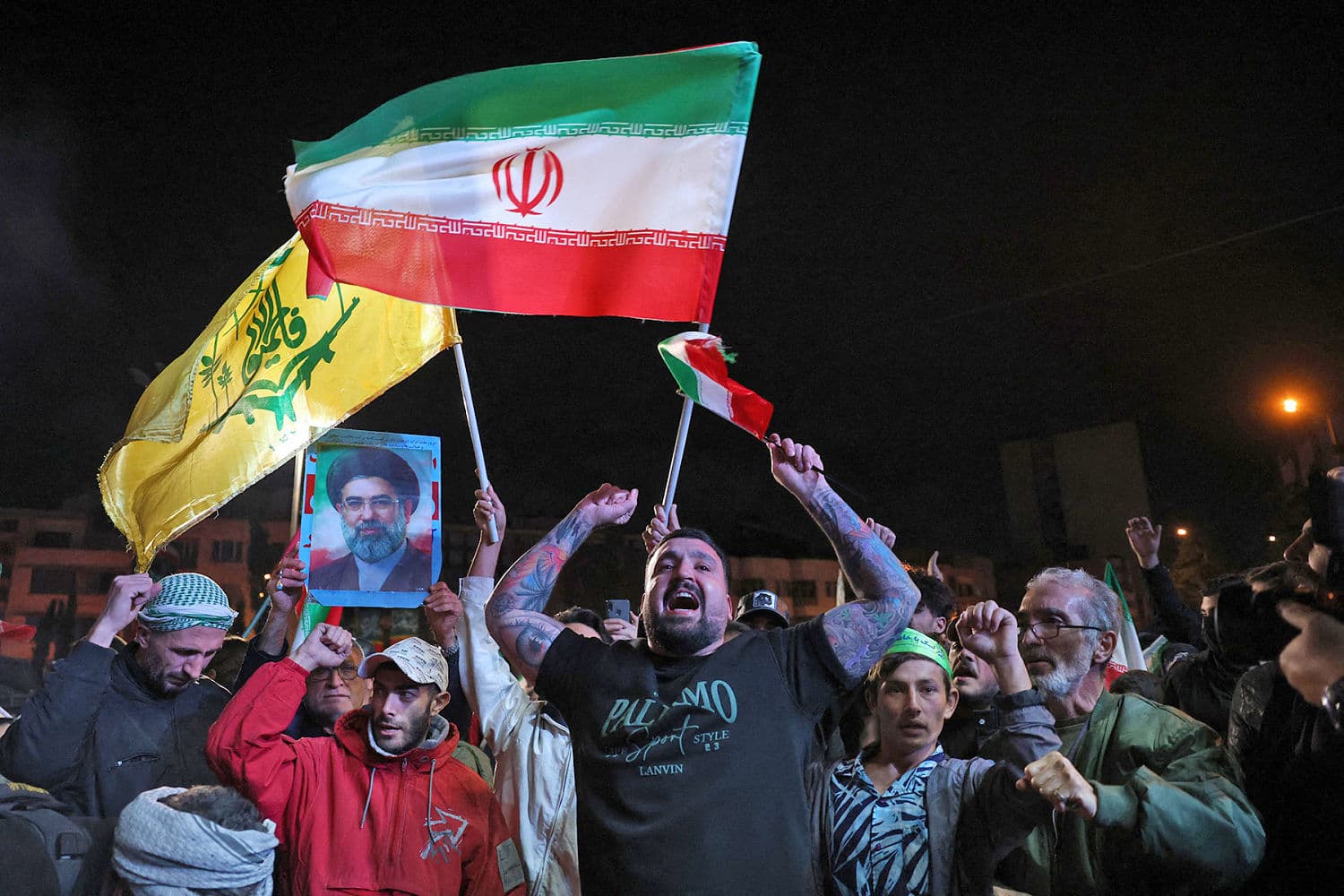
Here's what it means for you.
The recent ceasefire between the U.S. and Iran could stabilize global oil prices, impacting your fuel costs and investment strategies.
Why it matters
This ceasefire is pivotal for global energy markets, as the Strait of Hormuz is a critical conduit for oil transport.
What happened (in 30 seconds)
- On April 8, 2026, the U.S. and Iran announced a two-week ceasefire amid escalating conflict.
- The deal requires Iran to halt defensive operations and reopen the Strait of Hormuz in exchange for U.S. bombing suspensions.
- Accusations of violations emerged shortly after the ceasefire began, complicating the fragile peace.
The context you actually need
- The conflict escalated after U.S. and Israeli strikes on Iran initiated on February 28, 2026, leading to retaliatory actions and regional instability.
- Iran's closure of the Strait of Hormuz disrupted 20% of global oil supplies, causing significant price surges and market volatility.
- Mediation by Pakistan and involvement from regional powers like China and Saudi Arabia highlight the international stakes in stabilizing the Middle East.
What's really happening
The ceasefire agreement between the U.S. and Iran is a temporary measure aimed at de-escalating a conflict that has already resulted in approximately 3,400 reported deaths in Iran since hostilities began. The U.S. and Israel initiated strikes against Iran in late February 2026, citing concerns over Iran's nuclear program and its support for regional proxies. In retaliation, Iran closed the Strait of Hormuz, a strategic waterway through which 20% of the world's oil supply flows, leading to a spike in global energy prices.
The ceasefire, announced by U.S. President Donald Trump, is framed as a "double-sided" agreement, requiring Iran to cease its defensive operations while the U.S. suspends its bombing campaigns. However, the deal's effectiveness is already under scrutiny, as accusations of violations have surfaced from both sides. Iran claims that U.S. and Israeli operations in Lebanon continue unabated, undermining the ceasefire's intent. Conversely, the U.S. argues that Iran has not fully complied with its commitments regarding the Strait of Hormuz.
The involvement of Pakistan as a mediator, along with support from China, Egypt, Saudi Arabia, Turkey, and Qatar, underscores the complex geopolitical landscape. These nations have a vested interest in stabilizing the region, as ongoing conflict threatens not only their security but also their economic interests, particularly in energy trade. The ceasefire is seen as a stepping stone towards broader peace negotiations, although no formal text has been released, and key issues, such as Israeli actions in Lebanon, remain contentious.
The immediate aftermath of the ceasefire saw a significant rally in global markets, with stocks soaring and oil prices dropping below $100 per barrel. This market relief is particularly relevant for Dubai, where the local index experienced its largest intraday gain in six years. However, concerns linger among UAE officials regarding the potential leverage Iran may gain over the Strait of Hormuz, which is vital for Gulf shipping and energy trade. As negotiations are set to commence in Islamabad, the fragile nature of this ceasefire could lead to further tensions if mutual accusations continue.
Who feels it first (and how)
- Energy sector professionals: Fluctuating oil prices directly impact profitability and operational costs.
- Investors: Stock market volatility may influence investment strategies and portfolio management.
- Consumers: Changes in fuel prices affect transportation costs and overall living expenses.
- Middle Eastern nations: Countries reliant on oil exports are particularly sensitive to shifts in regional stability.
What to watch next
- Negotiations in Islamabad: The outcomes of these talks will determine whether the ceasefire can evolve into a more comprehensive peace agreement, impacting regional stability.
- Oil price trends: Monitoring fluctuations in oil prices will reveal market reactions to the ceasefire's effectiveness and ongoing geopolitical tensions.
- Military operations in Lebanon: Continued Israeli actions against Hezbollah could reignite conflict, undermining the ceasefire and affecting global markets.
The ceasefire is currently in effect, with a two-week timeline.
Ongoing accusations of violations will challenge the ceasefire's sustainability.
The long-term implications of this ceasefire on U.S.–Iran relations and broader Middle Eastern stability remain uncertain.
Frequently Asked Questions
- Why it matters?
- This ceasefire is pivotal for global energy markets, as the Strait of Hormuz is a critical conduit for oil transport.
- What happened (in 30 seconds)?
- On April 8, 2026, the U.S. and Iran announced a two-week ceasefire amid escalating conflict. The deal requires Iran to halt defensive operations and reopen the Strait of Hormuz in exchange for U.S. bombing suspensions. Accusations of violations emerged shortly after the ceasefire began, complicating the fragile peace.
- What's really happening?
- The ceasefire agreement between the U.S. and Iran is a temporary measure aimed at de-escalating a conflict that has already resulted in approximately 3,400 reported deaths in Iran since hostilities began. The U.S. and Israel initiated strikes against Iran in late February 2026, citing concerns over Iran's nuclear program and its support for regional proxies. In retaliation, Iran closed the Strait of Hormuz, a strategic waterway through which 20% of the world's oil supply flows, leading to a spik
- Who feels it first (and how)?
- Energy sector professionals: Fluctuating oil prices directly impact profitability and operational costs. Investors: Stock market volatility may influence investment strategies and portfolio management. Consumers: Changes in fuel prices affect transportation costs and overall living expenses. Middle Eastern nations: Countries reliant on oil exports are particularly sensitive to shifts in regional stability.
- What to watch next?
- Negotiations in Islamabad: The outcomes of these talks will determine whether the ceasefire can evolve into a more comprehensive peace agreement, impacting regional stability. Oil price trends: Monitoring fluctuations in oil prices will reveal market reactions to the ceasefire's effectiveness and ongoing geopolitical tensions. Military operations in Lebanon: Continued Israeli actions against Hezbollah could reignite conflict, undermining the ceasefire and affecting global markets.
Regional coverage and analysis focused on politics, diplomacy, and business across the Middle East.
"Al-Monitor is known for analytical reporting on Middle East politics and policy developments."
— A47 Editor
Trump says Iran doing 'poor job' of letting oil through Hormuz
U.S. President Donald Trump criticized Iran for inadequately allowing oil passage through the Strait of Hormuz, claiming they are violating a two-week ceasefire agreement. He expressed concerns over Iran's proposal to impose tolls on ships traversing...
Capitol Hill news, legislation, and policy insight.
"The Hill specializes in U.S. politics and policy, with a focus on Capitol Hill developments and a reputation for insider reporting."
— A47 Editor
Trump says Iran is not living up to ceasefire agreement in Strait of Hormuz
President Trump has criticized Iran for not adhering to the ceasefire agreement concerning the reopening of the Strait of Hormuz, stating that Iran is failing to allow oil passage through this crucial shipping route. This statement comes amid ongoing...
Public radio coverage of American news and issues.
"NPR is an American public media organization known for thoughtful reporting and a slightly left-leaning editorial tone."
— A47 Editor
Israel vows to continue fighting Hezbollah but agrees to talks with Lebanon
Israel's Prime Minister has announced that the government will initiate talks with Lebanon while simultaneously committing to continue military operations against Hezbollah, an Iran-backed militant group, despite a fragile ceasefire involving Iran.
International stories from NPR’s global desk.
"NPR is an American public media organization known for thoughtful reporting and a slightly left-leaning editorial tone."
— A47 Editor
Israel vows to continue fighting Hezbollah but agrees to talks with Lebanon
Israel's Prime Minister has announced that the government will initiate talks with Lebanon while simultaneously committing to continue military operations against Hezbollah, an Iran-backed militant group, despite a fragile ceasefire involving Iran.
National headlines across the United States including breaking stories and societal issues.
"NBC News is a mainstream media outlet known for comprehensive national and international news coverage with a centrist to slightly left-leaning editorial tone."
— A47 Editor
As U.S. and Iran agree to a ceasefire, what's actually in the deal — and will it last?
The United States and Iran have agreed to a two-week ceasefire, announced by President Trump, which includes Iran's commitment to reopen the strategically vital Strait of Hormuz. This agreement marks a significant de-escalation in tensions that had b...
Comprehensive coverage of global events, politics, and international issues.
"NBC News is a mainstream outlet known for comprehensive national and international coverage with a centrist to slightly left-leaning editorial tone."
— A47 Editor
As U.S. and Iran agree to a ceasefire, what's actually in the deal — and will it last?
The United States and Iran have agreed to a two-week ceasefire, announced by President Trump, which includes Iran's commitment to reopen the strategically vital Strait of Hormuz. This agreement marks a significant de-escalation in tensions that had b...