
Oil and stock prices decline amid stalled U.S.-Iran negotiations over Strait of Hormuz
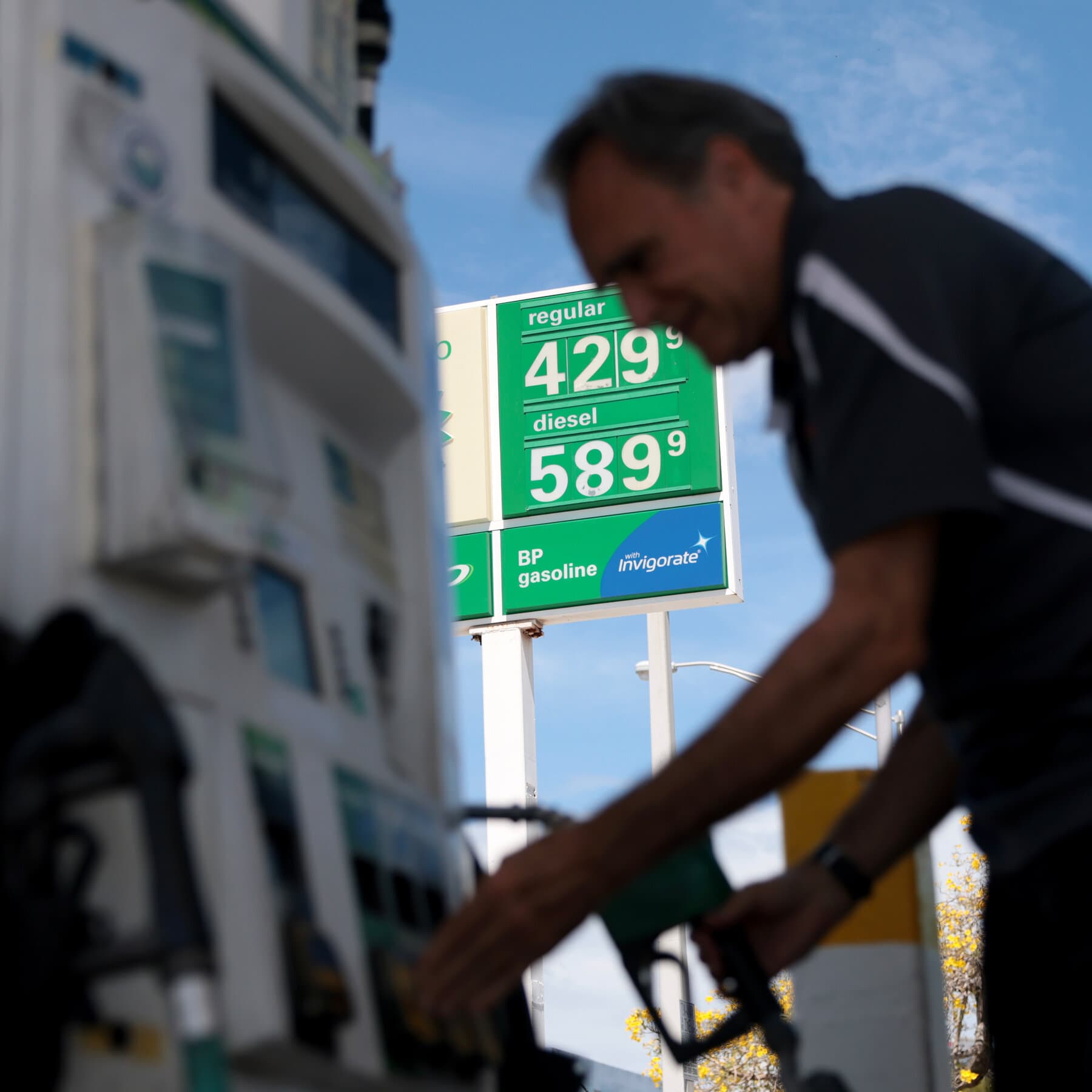
Here's what it means for you.
Rising oil prices and geopolitical tensions could directly impact your fuel costs and investment portfolios.
Why it matters
The ongoing U.S.-Iran negotiations are pivotal in determining global oil supply stability and market confidence.
What happened (in 30 seconds)
- Oil and stock prices reversed gains on April 7, 2026, amid conflicting reports on U.S.-Iran negotiations over the Strait of Hormuz.
- President Trump rejected a cease-fire proposal, threatening strikes on Iranian infrastructure unless the strait reopened by 8 p.m. ET.
- A conditional two-week cease-fire was later agreed, leading to a 15% drop in oil prices post-deadline.
The context you actually need
- The U.S.-Iran conflict escalated after U.S. and Israeli strikes on Iran in February 2026, leading to the closure of the Strait of Hormuz and a significant disruption in global oil supply.
- Oil prices surged from approximately $67 per barrel pre-conflict to peaks over $115, creating volatility in global markets and affecting fuel costs.
- Dubai residents faced elevated fuel prices and shipping delays due to regional attacks, stressing the local economy and living expenses.
What's really happening
On April 7, 2026, the geopolitical landscape shifted dramatically as President Trump rejected an Iranian cease-fire proposal, escalating tensions in the already volatile Strait of Hormuz. His ultimatum—threatening strikes on Iranian civilian infrastructure unless the strait reopened—sent shockwaves through global markets. This ultimatum came amidst a backdrop of fluctuating oil prices, which had already surged due to previous conflicts and disruptions in the region.
The Strait of Hormuz is a critical chokepoint for global oil supply, with approximately 20% of the world's oil passing through it. The closure of this strait by Iran on March 4, 2026, following U.S. and Israeli strikes, had already led to a significant spike in oil prices. As prices fluctuated between $95 and $115 per barrel, the uncertainty surrounding the negotiations further exacerbated market volatility. The S&P 500 index also experienced choppy trading, reflecting investor anxiety over geopolitical risks.
Despite the rejection of the cease-fire, reports indicated a glimmer of negotiation momentum. An Axios dispatch suggested that indirect talks were still ongoing, although Iranian officials claimed they had halted discussions. The conflicting narratives contributed to market instability, as traders reacted to the latest developments.
After the deadline passed, a conditional two-week cease-fire was proposed by Pakistan, contingent upon the immediate and safe reopening of the Strait of Hormuz. This proposal incorporated elements from Iran's 10-point plan, which aimed to establish a framework for de-escalation. Iran agreed to halt defensive operations if attacks ceased, maintaining control over the passage. Following this announcement, oil prices plummeted by 15%, signaling a market reaction to the potential easing of tensions.
The implications of these negotiations extend beyond oil prices. They affect global economic stability, investor confidence, and regional security dynamics. As the situation evolves, markets will closely monitor the strait's reopening and the resumption of in-person talks, which are crucial for long-term stability.
Who feels it first (and how)
- Consumers: Increased fuel prices directly impact daily commuting and transportation costs.
- Investors: Stock market fluctuations affect investment portfolios, particularly in energy and transportation sectors.
- Businesses: Companies reliant on oil and gas face rising operational costs, which may lead to increased prices for goods and services.
- Residents of Dubai: Elevated fuel costs and shipping delays affect living expenses and economic stability in the emirate.
What to watch next
- Negotiation developments: Continued updates on U.S.-Iran talks will be critical in determining oil price stability and market confidence.
- Oil price fluctuations: Monitor Brent and West Texas Intermediate crude prices as they reflect market reactions to geopolitical events.
- Regional security incidents: Any missile or drone attacks in the Gulf region could impact oil supply and prices, affecting global markets.
Oil prices are highly sensitive to geopolitical developments in the Middle East.
Continued volatility in oil and stock markets as negotiations progress or stall.
The long-term impact of the cease-fire on U.S.-Iran relations and regional stability.
Frequently Asked Questions
- Why it matters?
- The ongoing U.S.-Iran negotiations are pivotal in determining global oil supply stability and market confidence.
- What happened (in 30 seconds)?
- Oil and stock prices reversed gains on April 7, 2026, amid conflicting reports on U.S.-Iran negotiations over the Strait of Hormuz. President Trump rejected a cease-fire proposal, threatening strikes on Iranian infrastructure unless the strait reopened by 8 p.m. ET. A conditional two-week cease-fire was later agreed, leading to a 15% drop in oil prices post-deadline.
- What's really happening?
- On April 7, 2026, the geopolitical landscape shifted dramatically as President Trump rejected an Iranian cease-fire proposal, escalating tensions in the already volatile Strait of Hormuz. His ultimatum—threatening strikes on Iranian civilian infrastructure unless the strait reopened—sent shockwaves through global markets. This ultimatum came amidst a backdrop of fluctuating oil prices, which had already surged due to previous conflicts and disruptions in the region. The Strait of Hormuz is a cr
- Who feels it first (and how)?
- Consumers: Increased fuel prices directly impact daily commuting and transportation costs. Investors: Stock market fluctuations affect investment portfolios, particularly in energy and transportation sectors. Businesses: Companies reliant on oil and gas face rising operational costs, which may lead to increased prices for goods and services. Residents of Dubai: Elevated fuel costs and shipping delays affect living expenses and economic stability in the emirate.
- What to watch next?
- Negotiation developments: Continued updates on U.S.-Iran talks will be critical in determining oil price stability and market confidence. Oil price fluctuations: Monitor Brent and West Texas Intermediate crude prices as they reflect market reactions to geopolitical events. Regional security incidents: Any missile or drone attacks in the Gulf region could impact oil supply and prices, affecting global markets.
Market-moving headlines impacting equities, bonds, and related risk assets.
"Real-time catalysts and volatility drivers across indices and sectors."
— A47 Editor
Stocks surge, oil dives below $100 as Iran ceasefire sparks relief rally
A two-week ceasefire agreement between the United States and Iran has led to a significant surge in stock prices, with the Dow posting its best day in a year, while oil prices have fallen below $100 per barrel. This ceasefire, announced by former Pre...
National headlines across the United States including breaking stories and societal issues.
"NBC News is a mainstream media outlet known for comprehensive national and international news coverage with a centrist to slightly left-leaning editorial tone."
— A47 Editor
Oil prices plunge 15%, stock futures rally after Trump floats two-week Iran war ceasefire
Oil prices dropped by 15% and U.S. stock futures rallied following President Donald Trump's announcement of a two-week ceasefire in the ongoing conflict with Iran. This ceasefire is seen as a significant diplomatic step amid escalating tensions and m...
Comprehensive coverage of global events, politics, and international issues.
"NBC News is a mainstream outlet known for comprehensive national and international coverage with a centrist to slightly left-leaning editorial tone."
— A47 Editor
Oil prices plunge 15%, stock futures rally after Trump floats two-week Iran war ceasefire
Oil prices dropped by 15% and U.S. stock futures rallied following President Donald Trump's announcement of a two-week ceasefire in the ongoing conflict with Iran. This ceasefire is seen as a significant diplomatic step amid escalating tensions and m...
Global markets, investing, and macroeconomics from a premier financial newsroom.
"Bloomberg is respected for in-depth financial reporting and data-driven analysis."
— A47 Editor
Gold Pares Gains After Iran Says Ceasefire Deal With US Violated
Gold prices have decreased following a statement from the Iranian parliament speaker indicating that a temporary ceasefire agreement with the United States has been violated. This development comes amid ongoing geopolitical tensions and fluctuating m...
Markets, economy, and company analysis from NYT’s business desk.
"The New York Times is a globally recognized newspaper offering authoritative reporting with a center-left editorial stance."
— A47 Editor
Oil and Stock Prices Reverse Some Moves as a Peace Deal Remains Uncertain
Oil prices surged following President Trump's rejection of a cease-fire proposal with Iran, which he deemed insufficient, as the deadline for negotiations approaches. The national average for gas prices in the U.S. rose to $4.14 a gallon amid these e...