
Lebanon Initiates Direct Negotiations with Israel, Undermining Iranian Influence
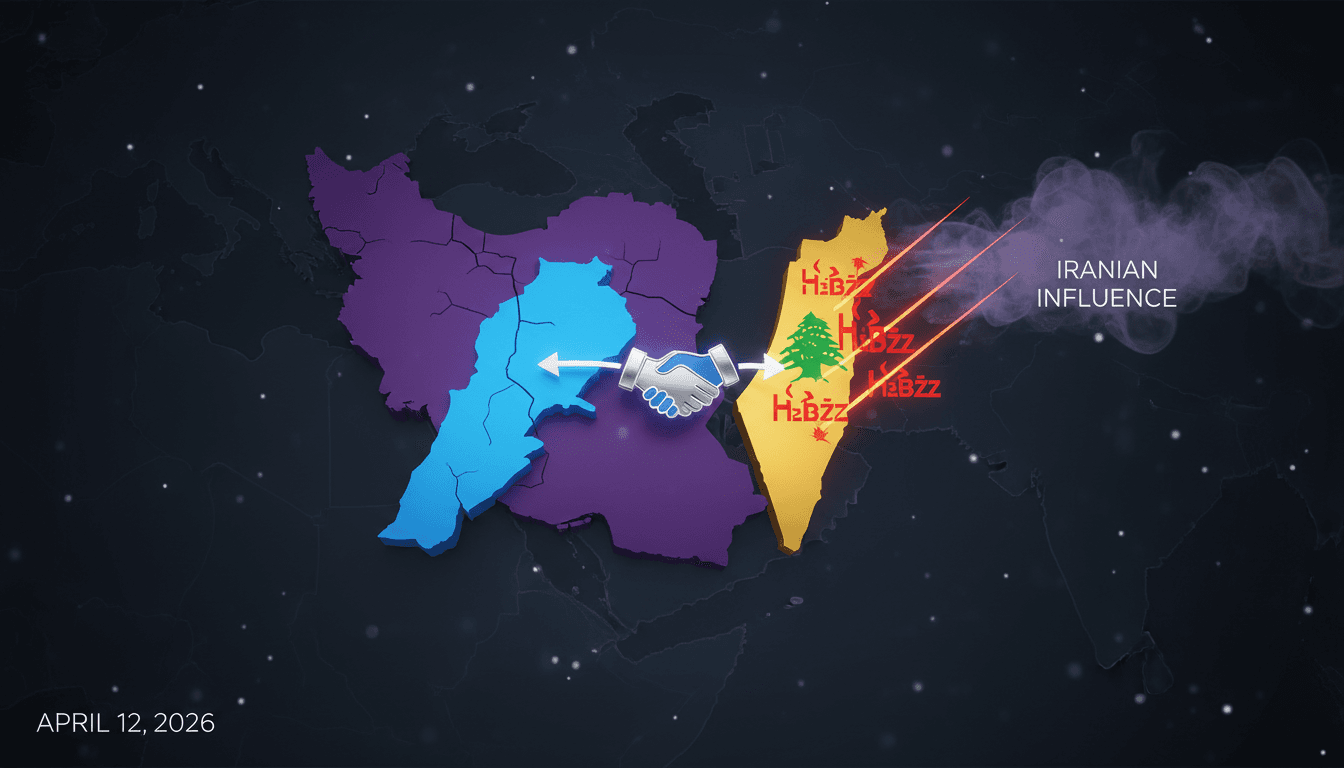
Here's what it means for you.
The shifting dynamics in Lebanon could impact regional stability and economic growth, affecting trade and investment opportunities.
Why it matters
This development signals a significant shift in Middle Eastern geopolitics, potentially altering alliances and economic forecasts across the region.
What happened (in 30 seconds)
- Lebanon initiated direct negotiations with Israel on April 12, 2026, independent of Iranian influence.
- Hezbollah's military wing was banned, and Iran's ambassador was expelled, emphasizing Lebanese state authority.
- Israeli airstrikes on Beirut continued amid these negotiations, resulting in 254 reported fatalities.
The context you actually need
- The U.S.-Iran ceasefire on April 8 excluded Lebanon, allowing Israel to target Hezbollah without diplomatic constraints.
- Lebanon's government has taken steps to assert its sovereignty, distancing itself from Iranian control and Hezbollah's military influence.
- Regional tensions have escalated, with protests erupting in Lebanon against the government's negotiations with Israel, highlighting internal divisions.
What's really happening
On April 8, 2026, a U.S.-Iran ceasefire was established, but Lebanon was explicitly excluded, leading to a surge in Israeli military operations targeting Hezbollah. In the days that followed, Lebanese Prime Minister Nawaf Salam and President Joseph Aoun took decisive steps to assert state authority over armed groups, particularly Hezbollah. This included a ban on Hezbollah's military wing and the expulsion of Iran's ambassador, signaling a clear intention to curb Iranian influence in Lebanon.
The negotiations with Israel, set to take place in Washington, represent a pivotal moment for Lebanon. Historically, Lebanon's political landscape has been heavily influenced by Iran and its proxy, Hezbollah, which has maintained a significant military presence in the country. By pursuing direct talks with Israel, Lebanon is attempting to reclaim its sovereignty and redefine its national interests independent of Iranian directives.
This shift is not merely political; it has profound implications for regional stability. The U.S. has expressed support for Lebanon's state exclusivity in negotiations, which may encourage other nations to reassess their alliances in the region. However, Hezbollah's rejection of these talks and the mobilization of its supporters in protest indicate that internal dissent could undermine the government's efforts. The situation remains volatile, with ongoing Israeli strikes exacerbating tensions and leading to significant civilian casualties—254 fatalities reported from the strikes on April 8 alone.
The economic ramifications are also noteworthy. The regional conflict is projected to reduce Gulf Cooperation Council (GCC) economic growth to 1.3% in 2026, according to the World Bank. This slowdown could affect trade and investment flows, particularly in Dubai, where a large Lebanese expatriate community faces heightened anxiety due to the conflict. The intertwining of military and economic factors suggests that the outcome of these negotiations could reverberate far beyond Lebanon's borders.
Who feels it first (and how)
- Lebanese citizens: Facing potential instability and economic repercussions from ongoing conflict and negotiations.
- GCC investors: Concerned about reduced economic growth and increased volatility in the region.
- Lebanese expatriates in Dubai: Experiencing heightened anxiety and potential impacts on remittances and community stability.
What to watch next
- Outcomes of the Washington talks: The results will determine Lebanon's future relationship with Israel and its ability to disarm Hezbollah.
- Reactions from Hezbollah: Continued protests or military responses could escalate tensions and impact regional stability.
- Economic indicators: Watch for shifts in GCC economic forecasts and oil prices, which may signal broader market reactions to the conflict.
Israeli strikes on Hezbollah targets continue, with significant civilian casualties reported.
Ongoing internal dissent in Lebanon could undermine government negotiations and stability.
The long-term implications of Lebanon's sovereignty assertion on regional alliances and economic conditions.
Frequently Asked Questions
- Why it matters?
- This development signals a significant shift in Middle Eastern geopolitics, potentially altering alliances and economic forecasts across the region.
- What happened (in 30 seconds)?
- Lebanon initiated direct negotiations with Israel on April 12, 2026, independent of Iranian influence. Hezbollah's military wing was banned, and Iran's ambassador was expelled, emphasizing Lebanese state authority. Israeli airstrikes on Beirut continued amid these negotiations, resulting in 254 reported fatalities.
- What's really happening?
- On April 8, 2026, a U.S.-Iran ceasefire was established, but Lebanon was explicitly excluded, leading to a surge in Israeli military operations targeting Hezbollah. In the days that followed, Lebanese Prime Minister Nawaf Salam and President Joseph Aoun took decisive steps to assert state authority over armed groups, particularly Hezbollah. This included a ban on Hezbollah's military wing and the expulsion of Iran's ambassador, signaling a clear intention to curb Iranian influence in Lebanon. T
- Who feels it first (and how)?
- Lebanese citizens: Facing potential instability and economic repercussions from ongoing conflict and negotiations. GCC investors: Concerned about reduced economic growth and increased volatility in the region. Lebanese expatriates in Dubai: Experiencing heightened anxiety and potential impacts on remittances and community stability.
- What to watch next?
- Outcomes of the Washington talks: The results will determine Lebanon's future relationship with Israel and its ability to disarm Hezbollah. Reactions from Hezbollah: Continued protests or military responses could escalate tensions and impact regional stability. Economic indicators: Watch for shifts in GCC economic forecasts and oil prices, which may signal broader market reactions to the conflict.
Pan-Arab news coverage spanning politics, business, sports, and regional affairs.
"Asharq Al-Awsat reflects a broad Arab editorial perspective with strong attention to regional geopolitics."
— A47 Editor
لبنان يفرض نفسه على طاولة المفاوضات: كسر لـ«وحدة المسار»... وضربة لحسابات «حزب الله»
Lebanon is set to enter direct negotiations with Israel for the first time, marking a significant shift in the Lebanese state's approach to managing the conflict. This development reflects a new willingness to engage diplomatically in a historically ...
Arabic-language UAE newspaper coverage focused on domestic affairs, public institutions, business, society, and regional developments.
"Al Khaleej coverage generally reflects a mainstream UAE editorial lens with strong attention to public affairs, institutions, and regional developments."
— A47 Editor
«حزب الله» يرفض المفاوضات المباشرة مع إسرائيل
Hezbollah's deputy, Ali Fayad, announced on Thursday that the party rejects direct negotiations with Israel, insisting that the Lebanese government should condition any further steps on a ceasefire. This statement followed Israeli Prime Minister Benj...
Arabic-language coverage of political affairs and current events.
"Okaz political coverage typically follows mainstream Saudi framing on national and regional affairs."
— A47 Editor
نتنياهو يعلن موافقته على بدء المفاوضات المباشرة مع لبنان
Israeli Prime Minister Benjamin Netanyahu announced his instructions to initiate direct negotiations with Lebanon as soon as possible, focusing on disarming Hezbollah and establishing peace between the two nations. This decision follows a phone call ...