
US-Iran Ceasefire Faces Tensions as Trump Warns Against Strait of Hormuz Tolls
Here's what it means for you.
Rising oil prices and potential shipping delays could impact your fuel costs and trade stability.
Why it matters
The ongoing tensions in the Strait of Hormuz threaten global oil supply and economic stability, affecting markets worldwide.
What happened (in 30 seconds)
- April 8: A fragile two-week ceasefire is announced after Pakistan mediates talks, with conditions tied to reopening the Strait of Hormuz.
- April 9: Accusations arise of Iran-linked drone attacks on Kuwait and pipeline damage in Saudi Arabia, while Israeli strikes in Lebanon escalate tensions further.
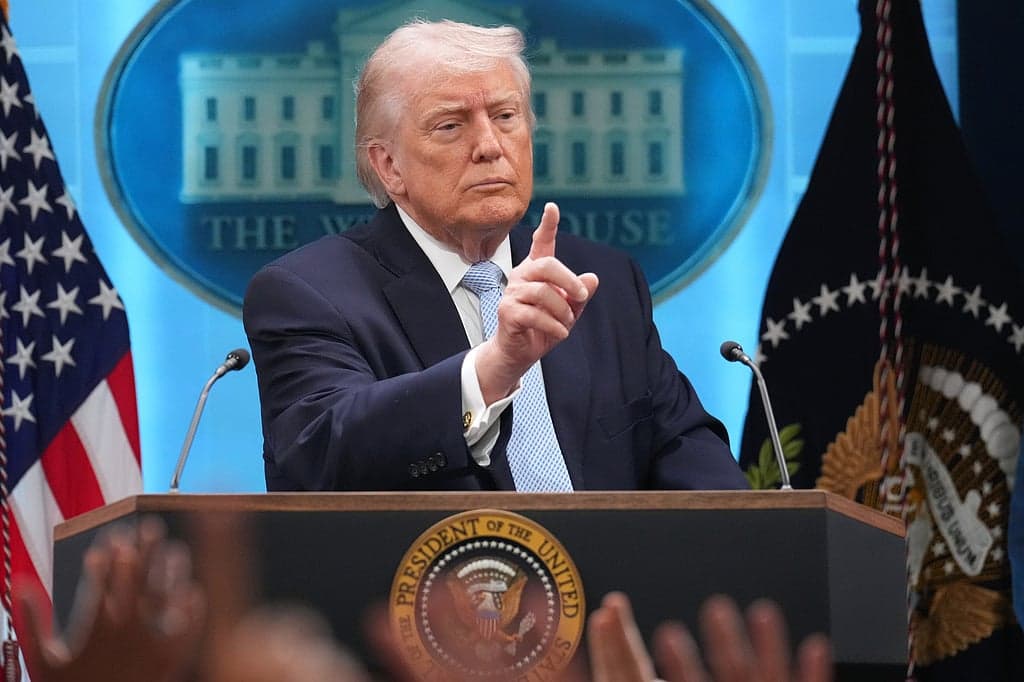
- April 10: President Trump warns Iran against imposing tolls on vessels in the Strait, leading to rising oil prices and NATO's consideration of patrols.
The context you actually need
- US-Israel war on Iran: This conflict began in early 2026, escalating to significant military engagements and economic disruptions, particularly affecting oil trade through the Strait of Hormuz.
- Strait of Hormuz significance: Approximately 20% of the world's oil trade passes through this narrow waterway, making it a critical chokepoint for global energy supplies.
- Pakistan's role: As a mediator, Pakistan's involvement in facilitating ceasefire talks highlights its strategic position in regional diplomacy and security.
What's really happening
The current situation in the Middle East is a complex interplay of military, economic, and diplomatic factors. The US-Israel war on Iran has reached a critical juncture, with the conflict now in its 41st day. The ceasefire, brokered by Pakistan, was a necessary step to halt the escalating violence, which has seen Iranian forces impose a de facto blockade on the Strait of Hormuz. This blockade has disrupted approximately 20% of global oil trade, leading to heightened tensions and economic repercussions.
President Trump's warning against Iran imposing tolls on commercial vessels is a significant escalation in rhetoric. It reflects the US administration's commitment to maintaining free navigation in the Strait, which is vital for global oil supply chains. The threat of military action looms large, as the US insists on the original terms of the ceasefire, which include the reopening of the strait. This insistence is not merely a matter of principle; it is tied to economic stability and energy security for the US and its allies.
Iran's response to the ceasefire has been mixed. While it has engaged in talks, it has also continued military operations, including drone attacks that have drawn international condemnation. The accusations from Kuwait and Saudi Arabia highlight the regional tensions and the potential for further escalation. Meanwhile, Israel's military actions in Lebanon, which have resulted in significant casualties, complicate the situation further, as Hezbollah's response could lead to a broader conflict.
The economic implications are already being felt, with oil prices rising as fears of a prolonged conflict and shipping disruptions grow. NATO's consideration of patrols in the region indicates a collective concern over maritime security and the potential for further military engagement. The situation remains fluid, with diplomatic talks in Islamabad set to play a crucial role in determining the next steps.
Who feels it first (and how)
- Oil consumers: Higher fuel prices will directly impact households and businesses reliant on oil.
- Shipping companies: Increased shipping costs and potential delays could affect logistics and supply chains.
- Regional economies: Countries dependent on oil exports, like Saudi Arabia and Kuwait, may face economic instability.
- Investors: Volatility in oil markets could lead to fluctuations in stock prices and investment strategies.
What to watch next
- Oil price trends: Monitor fluctuations in oil prices as they will indicate market reactions to ongoing tensions and ceasefire developments.
- Diplomatic negotiations: The outcomes of the Islamabad talks will be crucial in shaping future relations and potential resolutions.
- Military movements: Keep an eye on US and NATO military deployments in the region, as these could signal shifts in strategy or escalation.
The ceasefire is fragile and contingent on the reopening of the Strait of Hormuz.
Oil prices will continue to rise if tensions escalate or if shipping routes remain threatened.
The long-term effectiveness of diplomatic negotiations in achieving a sustainable peace remains uncertain.
Frequently Asked Questions
- Why it matters?
- The ongoing tensions in the Strait of Hormuz threaten global oil supply and economic stability, affecting markets worldwide.
- What happened (in 30 seconds)?
- April 8: A fragile two-week ceasefire is announced after Pakistan mediates talks, with conditions tied to reopening the Strait of Hormuz. April 9: Accusations arise of Iran-linked drone attacks on Kuwait and pipeline damage in Saudi Arabia, while Israeli strikes in Lebanon escalate tensions further. April 10: President Trump warns Iran against imposing tolls on vessels in the Strait, leading to rising oil prices and NATO's consideration of patrols.
- What's really happening?
- The current situation in the Middle East is a complex interplay of military, economic, and diplomatic factors. The US-Israel war on Iran has reached a critical juncture, with the conflict now in its 41st day. The ceasefire, brokered by Pakistan, was a necessary step to halt the escalating violence, which has seen Iranian forces impose a de facto blockade on the Strait of Hormuz. This blockade has disrupted approximately 20% of global oil trade, leading to heightened tensions and economic repercu
- Who feels it first (and how)?
- Oil consumers: Higher fuel prices will directly impact households and businesses reliant on oil. Shipping companies: Increased shipping costs and potential delays could affect logistics and supply chains. Regional economies: Countries dependent on oil exports, like Saudi Arabia and Kuwait, may face economic instability. Investors: Volatility in oil markets could lead to fluctuations in stock prices and investment strategies.
- What to watch next?
- Oil price trends: Monitor fluctuations in oil prices as they will indicate market reactions to ongoing tensions and ceasefire developments. Diplomatic negotiations: The outcomes of the Islamabad talks will be crucial in shaping future relations and potential resolutions. Military movements: Keep an eye on US and NATO military deployments in the region, as these could signal shifts in strategy or escalation.
Global news coverage with extensive reporting on Middle Eastern conflicts and geopolitics.
"Al Jazeera is a Qatar-based broadcaster known for wide regional coverage and alternative perspectives."
— A47 Editor
Shipping in Strait of Hormuz still at a trickle despite US-Iran ceasefire
Despite a recent ceasefire agreement between the United States and Iran, shipping traffic in the strategically vital Strait of Hormuz remains severely limited, with both nations accusing each other of failing to uphold the truce.
Comprehensive coverage of Middle Eastern and global issues.
"Al Jazeera is a prominent voice from the Global South, especially the Middle East, with an emphasis on underreported stories."
— A47 Editor
Shipping in Strait of Hormuz still at a trickle despite US-Iran ceasefire
Despite a recent ceasefire agreement between the United States and Iran, shipping traffic in the strategically vital Strait of Hormuz remains severely limited, with both nations accusing each other of failing to uphold the truce.
UAE-based newspaper covering Gulf politics, society, and international developments.
"Gulf News is one of the UAE’s most prominent English-language publications."
— A47 Editor
US-Iran ceasefire: Trump warns Iran over Strait of Hormuz tolls as Pakistan prepares for peace talks
A two-week ceasefire between the United States and Iran has been established, facilitated by Pakistan, just before President Donald Trump's ultimatum regarding the reopening of the strategically significant Strait of Hormuz. This agreement comes amid...
A curated Gulf News feed featuring major stories across news, business, opinion, and lifestyle.
"Gulf News is a major UAE newspaper whose featured stories feed reflects a broad editorial mix shaped for a Gulf audience."
— A47 Editor
US-Iran ceasefire: Trump warns Iran over Strait of Hormuz tolls as Pakistan prepares for peace talks
A two-week ceasefire between the United States and Iran has been established, facilitated by Pakistan, just before President Donald Trump's ultimatum regarding the reopening of the strategically significant Strait of Hormuz. This agreement comes amid...