
White House Reaffirms No Nuclear Intent Against Iran Amid Ongoing Military Operations
Here's what it means for you.
If you’re in the Gulf region or involved in global energy markets, the ongoing U.S.-Iran tensions could significantly impact your costs and logistics.
Why it matters
The U.S. denial of nuclear intentions amid escalating military actions has immediate implications for global energy prices and regional stability.
What happened (in 30 seconds)
- On April 7, 2026, the White House denied any plans to use nuclear weapons against Iran, countering social media speculation.
- Vice President J.D. Vance's remarks in Budapest were misinterpreted as nuclear threats, prompting a swift rebuttal from the White House.
- Ongoing U.S.-Israeli military campaigns have targeted Iranian military assets, escalating hostilities and impacting global oil markets.
The context you actually need
- U.S.-Iran hostilities have intensified since February 2026, with over 11,000 military targets struck to prevent nuclear weapon development.
- President Trump's ultimatums have included demands for regime change and reopening the Strait of Hormuz, which Iran has closed, affecting global energy supplies.
- Market reactions have been significant, with $120 billion erased from Dubai and Abu Dhabi stock exchanges since the conflict began.
What's really happening
The recent denial from the White House regarding nuclear weapon deployment against Iran comes amid heightened military activities aimed at curtailing Iran's nuclear ambitions. The backdrop of this denial is a series of aggressive U.S.-Israeli airstrikes that have targeted critical Iranian infrastructure, including nuclear facilities and military sites. These actions are part of a broader strategy to enforce nuclear disarmament and prompt regime change in Iran, which has been perceived as a direct threat to both regional and global stability.
The rhetoric surrounding the conflict has escalated, particularly following President Trump’s alarming statement on Truth Social, warning of potential annihilation if regime change does not occur. This statement, coupled with Vice President Vance's comments in Budapest about utilizing military options, has led to widespread speculation about U.S. nuclear intentions. The White House's prompt denial was aimed at quelling fears and clarifying that no nuclear options were being considered, despite the aggressive military posture.
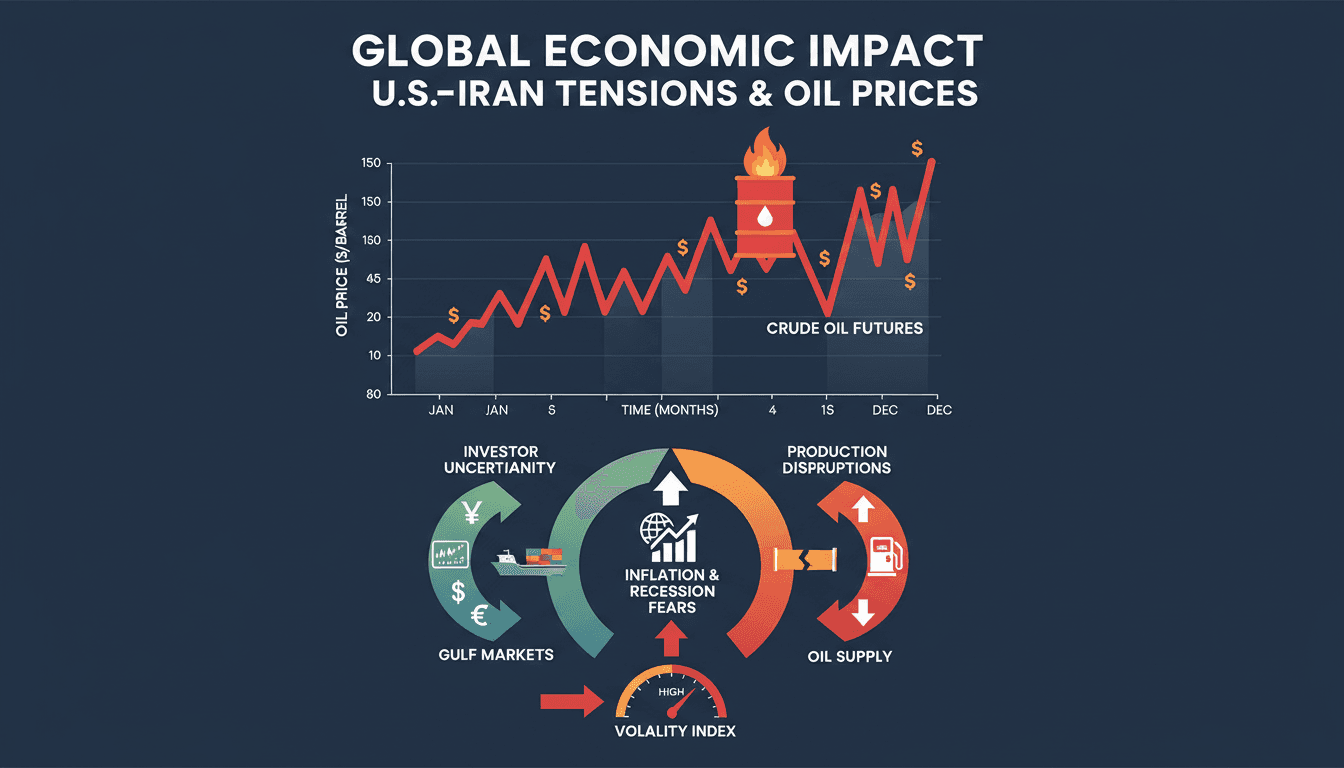
The implications of this conflict extend beyond immediate military actions. The ongoing airstrikes and the threat of further escalation have led to significant volatility in global oil markets. Brent crude prices have surged past $120 per barrel due to fears of supply disruptions from the Strait of Hormuz, a critical chokepoint for global oil transport. This has resulted in increased fuel costs for consumers and businesses, particularly in the Gulf region, where residents are already feeling the pinch of elevated prices.
Moreover, the financial markets have reacted sharply, with a reported $120 billion loss in market value from the Dubai and Abu Dhabi stock exchanges since the onset of hostilities. This financial strain is compounded by logistical challenges in aviation and trade, as regional security alerts have raised concerns about the safety of operations in the area.
As the situation unfolds, the potential for further military engagement remains high, and the economic repercussions are likely to be felt across various sectors, particularly those reliant on stable energy prices and regional stability.
Who feels it first (and how)
- Energy sector professionals: Increased costs and supply chain disruptions due to rising oil prices.
- Gulf residents: Higher fuel prices and potential shortages affecting daily life.
- Investors in UAE markets: Significant financial losses and increased market volatility.
- Logistics and aviation companies: Strained operations and heightened security risks impacting trade.
What to watch next
- Oil price fluctuations: Continued volatility in oil prices will directly affect global markets and consumer costs.
- Military engagements: Any escalation in U.S.-Iran military actions could lead to further economic repercussions and geopolitical instability.
- Regional diplomatic responses: The reactions of Gulf states and other regional players will be crucial in shaping the next steps in this conflict.
The U.S. has denied any nuclear intentions against Iran.
Continued military operations and airstrikes targeting Iranian assets.
The long-term implications for U.S.-Iran relations and global energy markets.
Frequently Asked Questions
- Why it matters?
- The U.S. denial of nuclear intentions amid escalating military actions has immediate implications for global energy prices and regional stability.
- What happened (in 30 seconds)?
- On April 7, 2026, the White House denied any plans to use nuclear weapons against Iran, countering social media speculation. Vice President J.D. Vance's remarks in Budapest were misinterpreted as nuclear threats, prompting a swift rebuttal from the White House. Ongoing U.S.-Israeli military campaigns have targeted Iranian military assets, escalating hostilities and impacting global oil markets.
- What's really happening?
- The recent denial from the White House regarding nuclear weapon deployment against Iran comes amid heightened military activities aimed at curtailing Iran's nuclear ambitions. The backdrop of this denial is a series of aggressive U.S.-Israeli airstrikes that have targeted critical Iranian infrastructure, including nuclear facilities and military sites. These actions are part of a broader strategy to enforce nuclear disarmament and prompt regime change in Iran, which has been perceived as a direc
- Who feels it first (and how)?
- Energy sector professionals: Increased costs and supply chain disruptions due to rising oil prices. Gulf residents: Higher fuel prices and potential shortages affecting daily life. Investors in UAE markets: Significant financial losses and increased market volatility. Logistics and aviation companies: Strained operations and heightened security risks impacting trade.
- What to watch next?
- Oil price fluctuations: Continued volatility in oil prices will directly affect global markets and consumer costs. Military engagements: Any escalation in U.S.-Iran military actions could lead to further economic repercussions and geopolitical instability. Regional diplomatic responses: The reactions of Gulf states and other regional players will be crucial in shaping the next steps in this conflict.
Pan-Arab news coverage spanning politics, business, sports, and regional affairs.
"Asharq Al-Awsat reflects a broad Arab editorial perspective with strong attention to regional geopolitics."
— A47 Editor
البيت الأبيض ينفي عزم واشنطن استخدام السلاح النووي في إيران
The White House firmly denied on Tuesday any intention to use nuclear weapons in Iran, issuing a statement through its account on the platform X. This clarification comes amid ongoing tensions in the region and concerns over nuclear proliferation.
Macro commentary, policy analysis, growth/inflation themes, and global outlooks.
"Contextual macro coverage that complements day-to-day market headlines."
— A47 Editor
White House denies plans for nuclear strike on Iran
The White House has officially denied any plans for a nuclear strike on Iran, amidst rising tensions between the two nations. This statement comes as President Trump has issued aggressive warnings and military actions, including strikes on Iranian ta...